Get your free personalized podcast brief
We scan new podcasts and send you the top 5 insights daily.
Driscoll's had been discarding its best-tasting berries because they were too delicate for the standard supply chain. By reframing this flaw, they created a premium product line, charged more, and met a hidden consumer demand for superior flavor.

Related Insights
When a product requires more user effort than competitors, frame that effort as a core benefit. For a complex baking kit, the longer prep time becomes a feature—an intentional 'flavor journey' and a chance to slow down, turning a potential negative into a premium experience.

Fruitist achieved a $1 billion valuation by transforming the blueberry from a supporting ingredient into a standalone snack or meal replacement. By engineering a jumbo-sized, consistent product, they created a new product category and unlocked premium pricing.

A perceived product flaw can be a primary value proposition for a different type of customer. For example, a diffuse global audience, useless to local venues, becomes a powerful asset for organizations aiming for international reach, unlocking a new market.

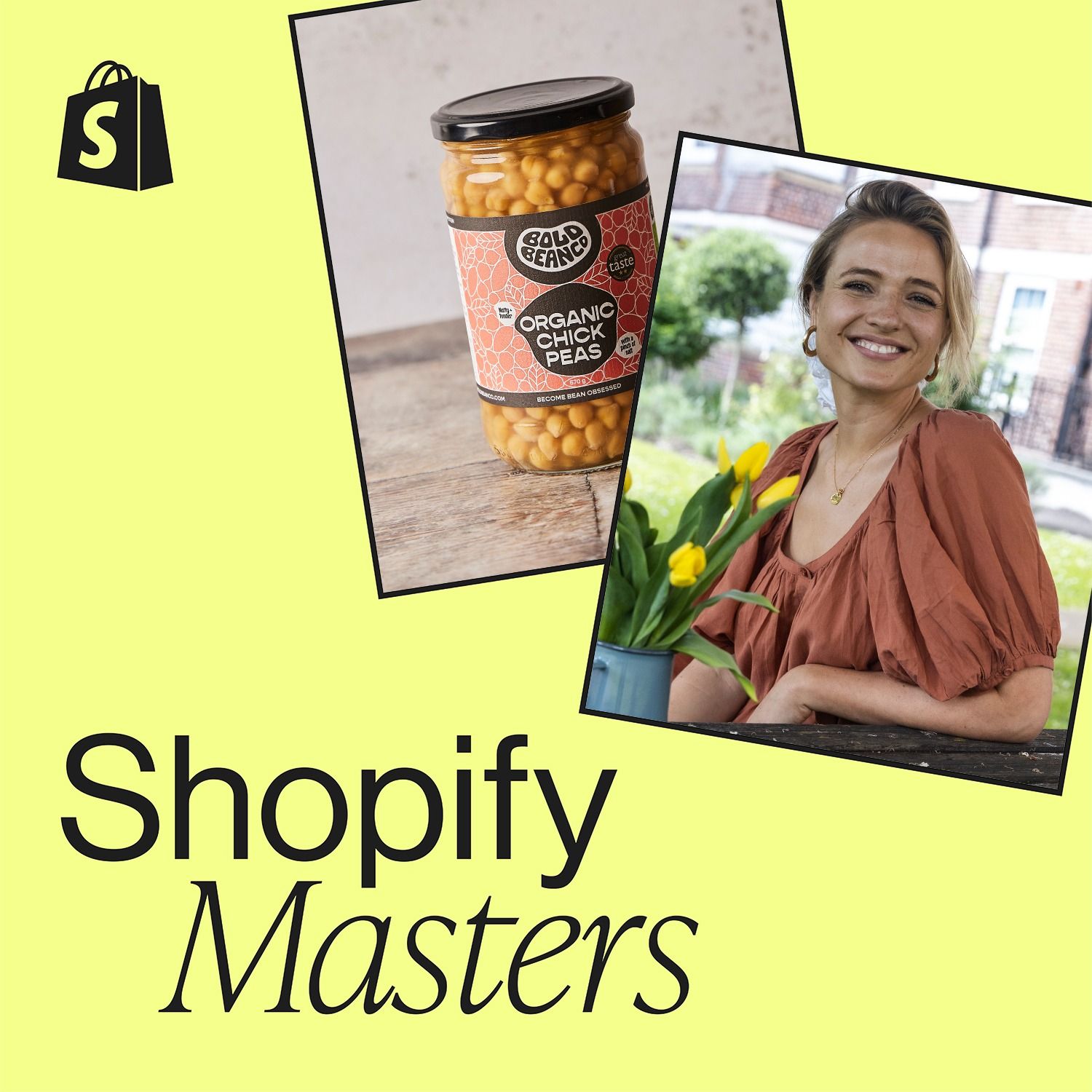
The brand used clear glass jars, initially a byproduct of a superior cooking method, to showcase the beans' quality. This transparency shifted consumer perception from a hidden pantry staple to a premium, display-worthy ingredient, justifying a higher price point.
Unlike other fruits, dates are sold under distinct brands because the industry positions them as a luxury treat, similar to chocolate, rather than simple produce. This strategy of shifting the product's purpose from utility to indulgence allows for brand differentiation and premium pricing.
When a new KFC premium product wasn't selling, they doubled the price instead of discounting it. This aligned the price with consumer expectations for a premium item, signaling quality and causing sales to soar. Low prices can imply low quality for high-end goods.

When entering the market, La Colombe's wholesale price was over five times the standard rate. They overcame price objections from chefs by reframing coffee not as a commodity beverage, but as a high-quality "spice," an essential ingredient where quality dictates the price.
The startup turned a product liability (food near its expiration date) into a feature by selling "surprise bags." This gamified approach transforms the customer experience from a simple discount purchase into an exciting discovery, tapping into the same psychology that drives the popularity of mystery toys like LaBubu.
Makor Coffee's blend brews slowly, which risks alienating users. The insight is to position this "flaw" as an intentional feature for enthusiasts who value maximum potency, while creating a separate, faster-brewing version for the mass market or office use.
Bold Bean Co. found that creating a premium product in a "forgotten, dull" category like beans was a strategic advantage. The novelty makes consumers talk. People find it entertaining to become obsessed with beans, generating more word-of-mouth than launching yet another premium chocolate brand.