Get your free personalized podcast brief
We scan new podcasts and send you the top 5 insights daily.
Checkr's CEO was specifically looking for a data-driven, operational leader to build a multi-segment sales motion. Lindsey Scrase's skills were a direct match for this need, creating a "product-market fit" for the hire that ensured success beyond just a general culture fit.

Related Insights
Business owners often define their ideal customer but should apply the same detailed 'avatar' process to hiring. By deeply considering an ideal employee's strengths, values, passions, and attitude, founders can more effectively attract talent that aligns with their company's culture and vision.

Most founders hire senior talent by looking for a lack of weakness. A better approach is to first define the single most critical superpower the role requires. Then, search for a candidate who is a superstar at that one thing, even if they have deficiencies elsewhere.

Figma avoids "fast one" hires by engaging candidates for extended periods (9+ months). They provide deep, transparent access, even sharing raw data from Salesforce, to ensure the executive fully understands the company's challenges before joining, leading to better long-term fit.
To make a hire "weird if they didn't work," don't hire for potential or vibe. Instead, find candidates who have already succeeded in a nearly identical role—selling a similar product to a similar audience at a similar company stage. This drastically reduces performance variables.

Bringing in a professional CEO to replace a founder can succeed only if the company has already achieved product-market fit. If PMF is still elusive, hiring an operator to find it is a fatal mistake. The unique, entrepreneurial act of discovering PMF belongs to the founder.

When building its first commercial team, Ionis CEO Brett Monia, a scientist, prioritized hiring experienced leaders who also appreciated the company's deep-rooted scientific culture. This focus on cultural alignment was critical to successfully integrating the new commercial function into the R&D-centric organization.

Executives from large companies often fail at startups. Lindsey Scrase succeeded in her move from Google to Checkr because her experience at Google Cloud was akin to a resource-constrained startup, building from scratch without established systems like Rev Ops or enablement.
At Larroudé, the executive culture is "hands-on." Leaders are not just strategists who delegate; they must be able to execute tasks themselves. Furthermore, a critical hiring criterion for leadership is the ability to recruit, with the expectation that they can build out their own high-performing teams.
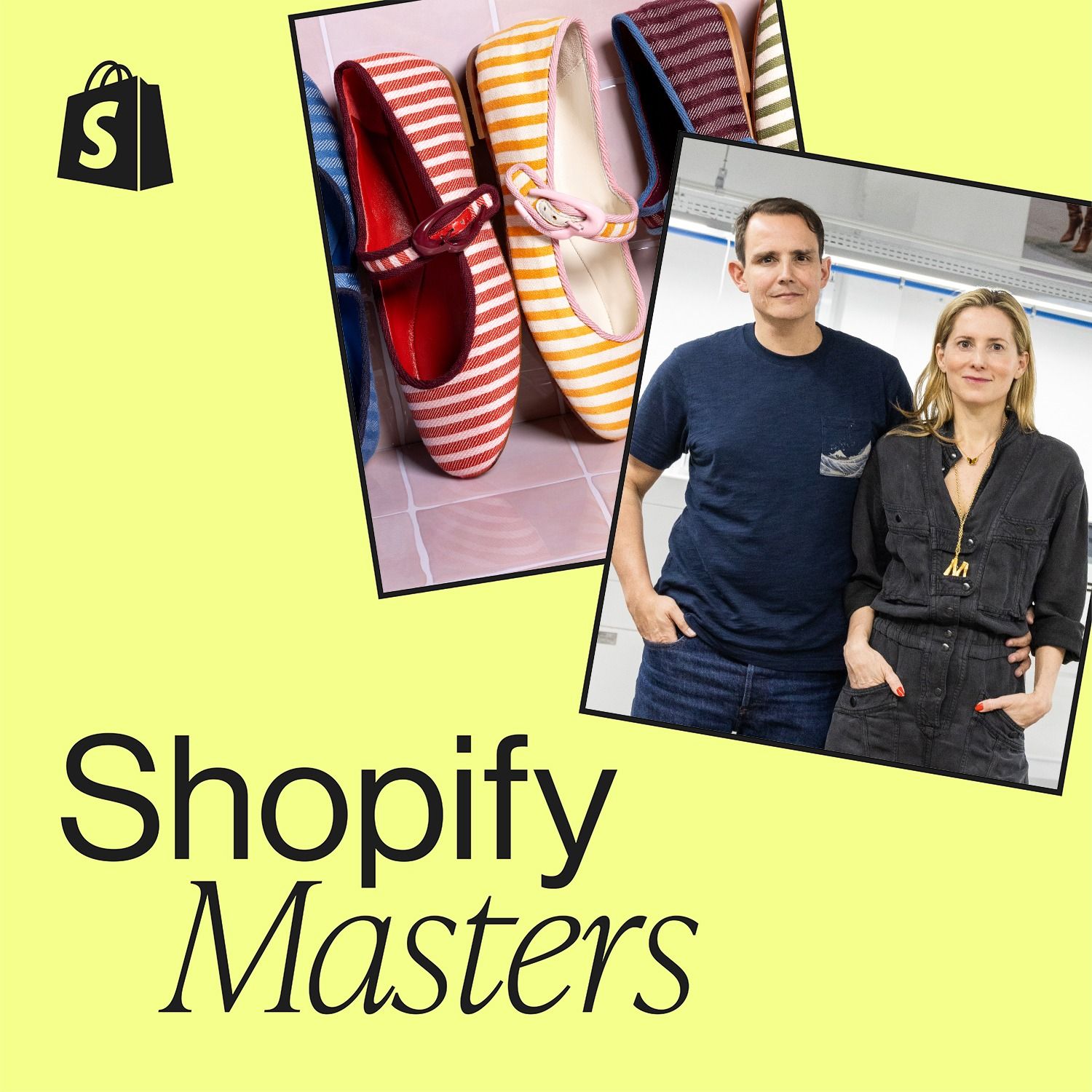
To scale a high-performing product team, hire individuals who exhibit the same level of ownership and love for the product as the original founders. This means prioritizing a blend of deep curiosity, leadership potential, and an unwavering commitment to execution over a simple skills checklist.

Most VCs fail at talent support by simply matching logos on a resume to a portfolio company. A better model is to first embed operators (e.g., fractional sales leaders) into the startup. This provides the deep, nuanced context required to find candidates who fit the specific business and culture, leading to better hiring outcomes.
