Get your free personalized podcast brief
We scan new podcasts and send you the top 5 insights daily.
Most VCs fail at talent support by simply matching logos on a resume to a portfolio company. A better model is to first embed operators (e.g., fractional sales leaders) into the startup. This provides the deep, nuanced context required to find candidates who fit the specific business and culture, leading to better hiring outcomes.

Related Insights
The most effective operators, dubbed 'dolphins,' can fluidly move between altitudes: operating strategically at 10,000 feet with founders, managing at 5,000 feet, and executing tactically in the weeds at 1,000 feet. This ability to oscillate is a key trait to hire for, especially in advisory or early-stage leadership roles.
Before hiring for a critical function, founders should do the job themselves, even if they aren't experts. The goal isn't mastery, but to deeply understand the role's challenges. This experience is crucial for setting a high hiring bar and being able to accurately assess if a candidate will truly up-level the team.

Treat hiring as a compounding flywheel. A new employee should not only be a great contributor but also make the company more attractive to future A-players, whether through their network, reputation, or interview presence. This focus on recruiting potential ensures talent density increases over time.
To win highly sought-after deals, growth investors must build relationships years in advance. This involves providing tangible help with hiring, customer introductions, and strategic advice, effectively acting as an investor long before deploying capital.
![David George - Building a16z Growth, Investing Across the AI Stack, and Why Markets Misprice Growth - [Invest Like the Best, EP.450] thumbnail](https://megaphone.imgix.net/podcasts/8da7dbd8-ceeb-11f0-941c-ef83bcdd4c9f/image/d44107bc94719f78fbe91befb141073e.jpg?ixlib=rails-4.3.1&max-w=3000&max-h=3000&fit=crop&auto=format,compress)
Early-stage recruiting requires relentless focus. Legendary investor John Doerr advised Dylan Field to think about it constantly—from morning to night—and manage it with the same discipline as a sales funnel, always feeding the top and moving candidates through the process.

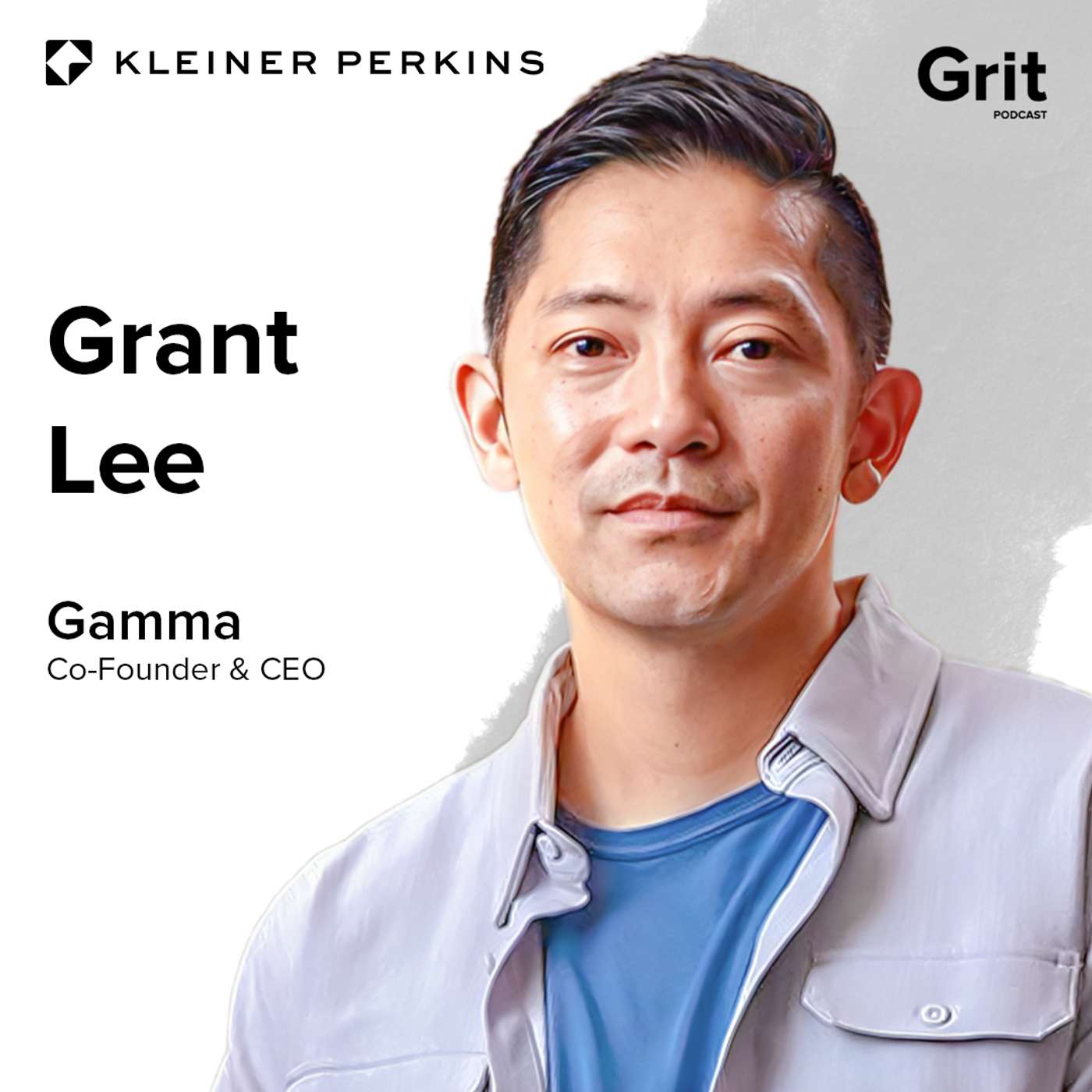
Before hiring for a critical function like growth marketing, Gamma's CEO spent 6-12 months doing the job himself. This immersion taught him what "great" looks like, preventing a bad hire and ensuring he could properly lead the function he was delegating.
When direct access to top talent is blocked by competitors, savvy leaders identify other successful companies with strong sales cultures (a "lineage") and strategically recruit from that pool. This allows them to tap into a new vein of proven, high-potential talent.

For high-level leadership roles, skip hypothetical case studies. Instead, present candidates with your company's actual, current problems. The worst-case scenario is free, high-quality consulting. The best case is finding someone who can not only devise a solution but also implement it, making the interview process far more valuable.

Instead of recruiting for a job spec, Cursor identifies exceptional individuals and "swarms" them with team attention. If there's mutual interest, a role is created to fit their talents. This talent-first approach, common in pro sports, prioritizes acquiring top-tier people over filling predefined needs.