Get your free personalized podcast brief
We scan new podcasts and send you the top 5 insights daily.
Most founders hire senior talent by looking for a lack of weakness. A better approach is to first define the single most critical superpower the role requires. Then, search for a candidate who is a superstar at that one thing, even if they have deficiencies elsewhere.

Related Insights
Before hiring for a critical function, founders should do the job themselves, even if they aren't experts. The goal isn't mastery, but to deeply understand the role's challenges. This experience is crucial for setting a high hiring bar and being able to accurately assess if a candidate will truly up-level the team.

Instead of multitasking, elite performers identify their single greatest talent (e.g., storytelling, coding, sales) and go all-in on it. They then build a team not just to delegate tasks, but to specifically scale and amplify that one core function, creating massive leverage from a single, focused skill.
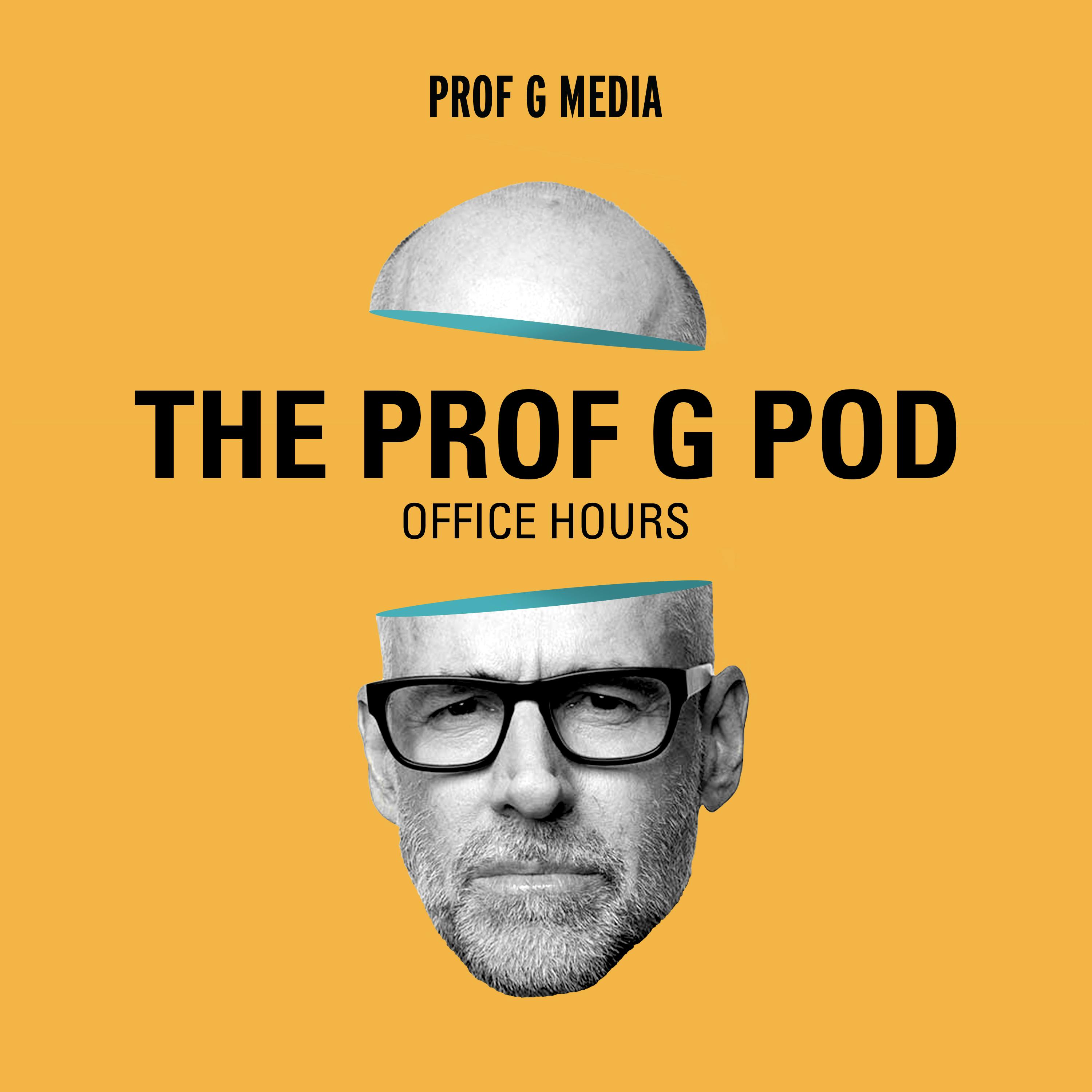
Rather than trying to become a well-rounded, traditional leader, Opendoor's CEO focuses on sharpening his unique "edges." He then surrounds himself with people who are "edgy" in complementary ways, creating a balanced team of focused experts rather than a bland group of generalists.
Early-stage startups thrive on rapid iteration. Seek hires who can 'get shit done at an incredible clip' and make decisions at '100 miles per hour,' even if some are wrong. These individuals, often 'rough around the edges,' are more valuable than candidates with perfect paper pedigrees from large tech companies.

Don't focus on becoming a well-rounded leader. Instead, identify your weaknesses and hire people specifically to "round you out." Before trying to fix a flaw, ask if that supposed weakness is the very source of your greatest strengths.

The speaker learned to hire for innate personality traits like coachability and work ethic, which are nearly impossible to teach. Skills, on the other hand, can be developed through training. This reverses the common hiring approach of prioritizing a candidate's existing skills and experience.

The "attitude vs. aptitude" debate is misleading. Hire the person with the smallest skill gap for the role. For complex roles, hire for intelligence (defined as rate of learning), as smart people can bridge any skill or attitude gap faster.

Horowitz instructs his team to focus on how exceptionally good a founder is at their core competency. He warns against two common errors: passing on a world-class individual due to fixable weaknesses, and investing in a founder with no glaring flaws but no world-class strengths.

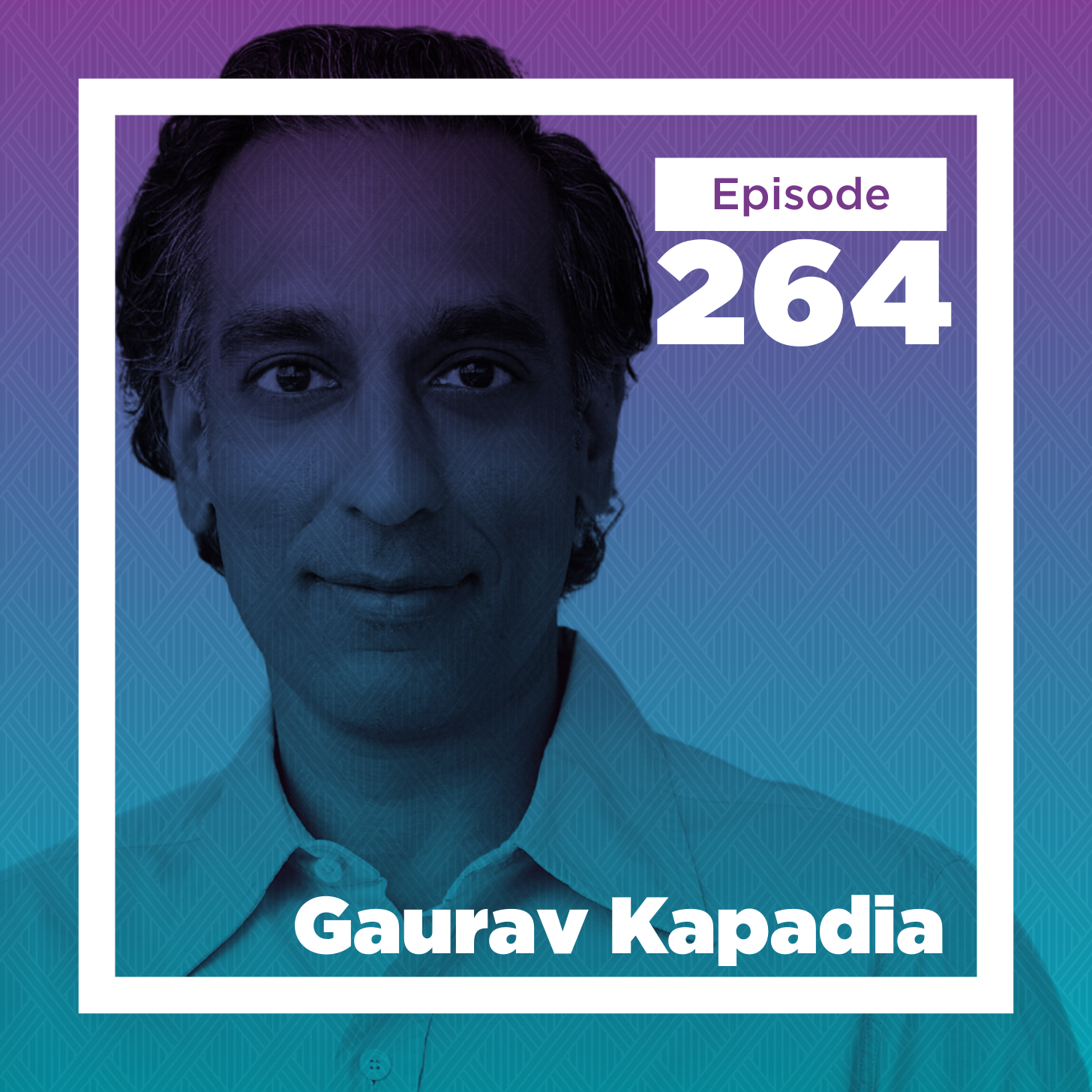
Gaurav Kapadia uses chef David Chang's model: hire for 'good enough' credentials plus a 'special something' like extra curiosity or ingenuity. Crucially, he argues this high bar must apply to all staff, including operations and support, to create a pervasive culture of excellence and dynamism, avoiding a common organizational mistake.
Unlike corporate environments that focus performance reviews on fixing weaknesses, Marc Andreessen and Ben Horowitz's philosophy is to hire for exceptional skills. They accept that everyone has flaws but believe celebrating and leveraging strengths creates a more effective and motivated team.