Get your free personalized podcast brief
We scan new podcasts and send you the top 5 insights daily.
Executives from large companies often fail at startups. Lindsey Scrase succeeded in her move from Google to Checkr because her experience at Google Cloud was akin to a resource-constrained startup, building from scratch without established systems like Rev Ops or enablement.

Related Insights
To successfully transition from a large company like Microsoft to a startup, proactively seek out "zero-to-one" projects and entrepreneurial environments within the larger organization. This builds the necessary full-stack business muscle before making the leap.

Before starting Toast, the founders were tasked with building the mobile e-commerce business at their employer, Endeca. This 'intrapreneurial' experience of finding product-market fit and scaling a new venture within a larger company served as a crucial, lower-risk training ground for their future startup.

CEOs of ElevenLabs and Lovable argue their time at companies like Palantir and Google was essential for learning to build at scale, understand customer problems, and develop ambitious ideas. They doubt they would have succeeded starting right out of school.

Hiring executives from large corporations like Google or Microsoft into an early-stage startup almost always fails due to a 'massive impedance mismatch.' Their expectations for established processes clash with the startup's reality. HubSpot experienced a near-100% attrition rate with these types of hires.
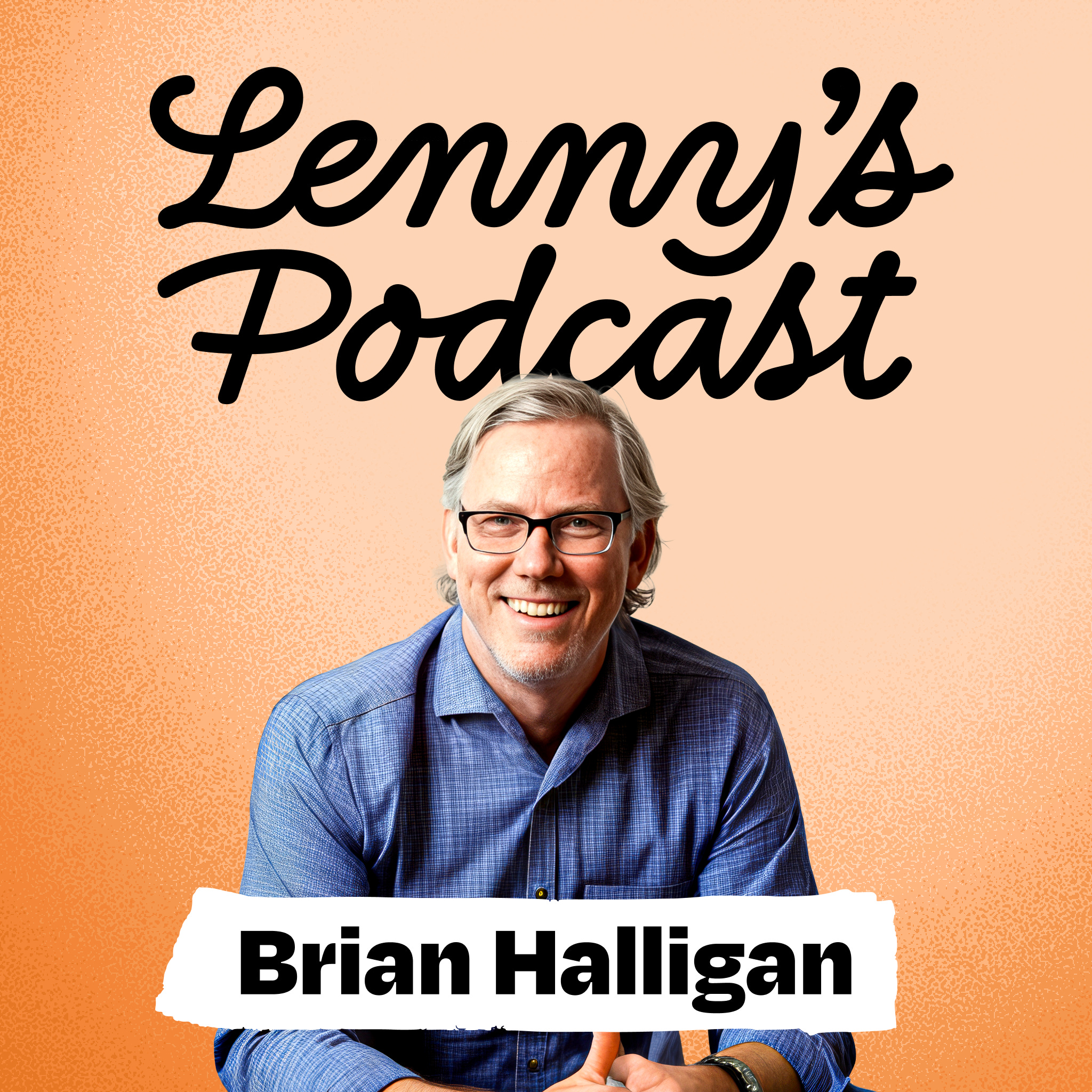
Moving from a large corporation to a startup requires blending foundational knowledge of scaling processes with newfound resourcefulness and risk appetite. This transition builds a holistic business muscle, not just a product one, by forcing leaders to operate without endless resources or established brand trust.
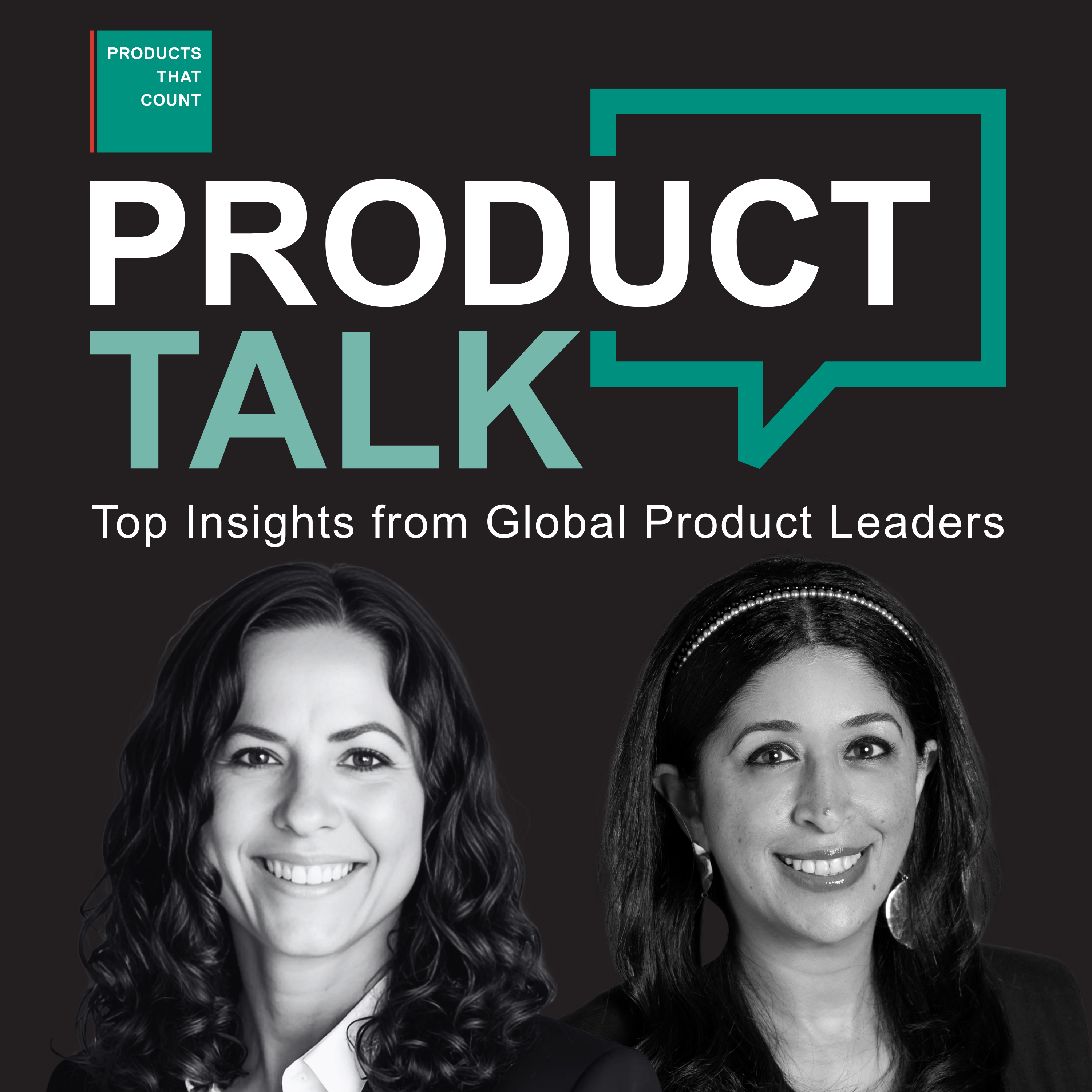
Working at Google conditions you to take user acquisition, talent recruitment, and marketing for granted. When ex-Googlers start companies, they are often unprepared for the fundamental challenge of getting anyone to care about their product, a skill they never had to develop.

Vimal Kapur attributes his success to starting in a Honeywell joint venture that had zero revenue. This "startup within a corporation" forced him to wear multiple hats and learn flexibility and scaling from the ground up, providing a powerful career foundation.

Neil Blumenthal warns that hiring talent from large, established companies can be a mistake. These hires often thrive in environments with fully built-out systems, whereas a startup needs entrepreneurial problem-solvers who can create those processes and manuals from scratch.
Checkr's CEO was specifically looking for a data-driven, operational leader to build a multi-segment sales motion. Lindsey Scrase's skills were a direct match for this need, creating a "product-market fit" for the hire that ensured success beyond just a general culture fit.
The "CEO of the product" role at a large company involves managing the inertia of an already successful product. This is fundamentally different from founding, which requires creating value from nothing with no existing momentum. The skill sets are deceptively dissimilar.