Get your free personalized podcast brief
We scan new podcasts and send you the top 5 insights daily.
Canada's pursuit of an EU partnership is framed as a strategic response to an unpredictable US. It mirrors a parenting approach: first, attempt a soft start and shared values; then, when the 'toddler' (the US) can't handle reality, establish firm boundaries and seek more stable alliances.

Related Insights
Instead of openly antagonizing the U.S., a weaker Canada should adopt China's historical strategy: publicly play the supplicant while privately building economic strength. Acting out of emotional defiance only harms its citizens. True power is built quietly from a position of perceived deference.

Canada's leadership faces a paradox: to achieve long-term economic independence from the U.S., it must first secure a trade deal with the Trump administration. This deal is needed to create the stability and investment environment necessary to reorient its economy towards other global partners.

The Greenland diplomatic row taught European leaders that their previous strategy of delicate diplomacy was ineffective with the Trump administration. By presenting credible retaliatory threats, they discovered they could achieve their objectives, signaling a major shift in transatlantic diplomatic strategy.
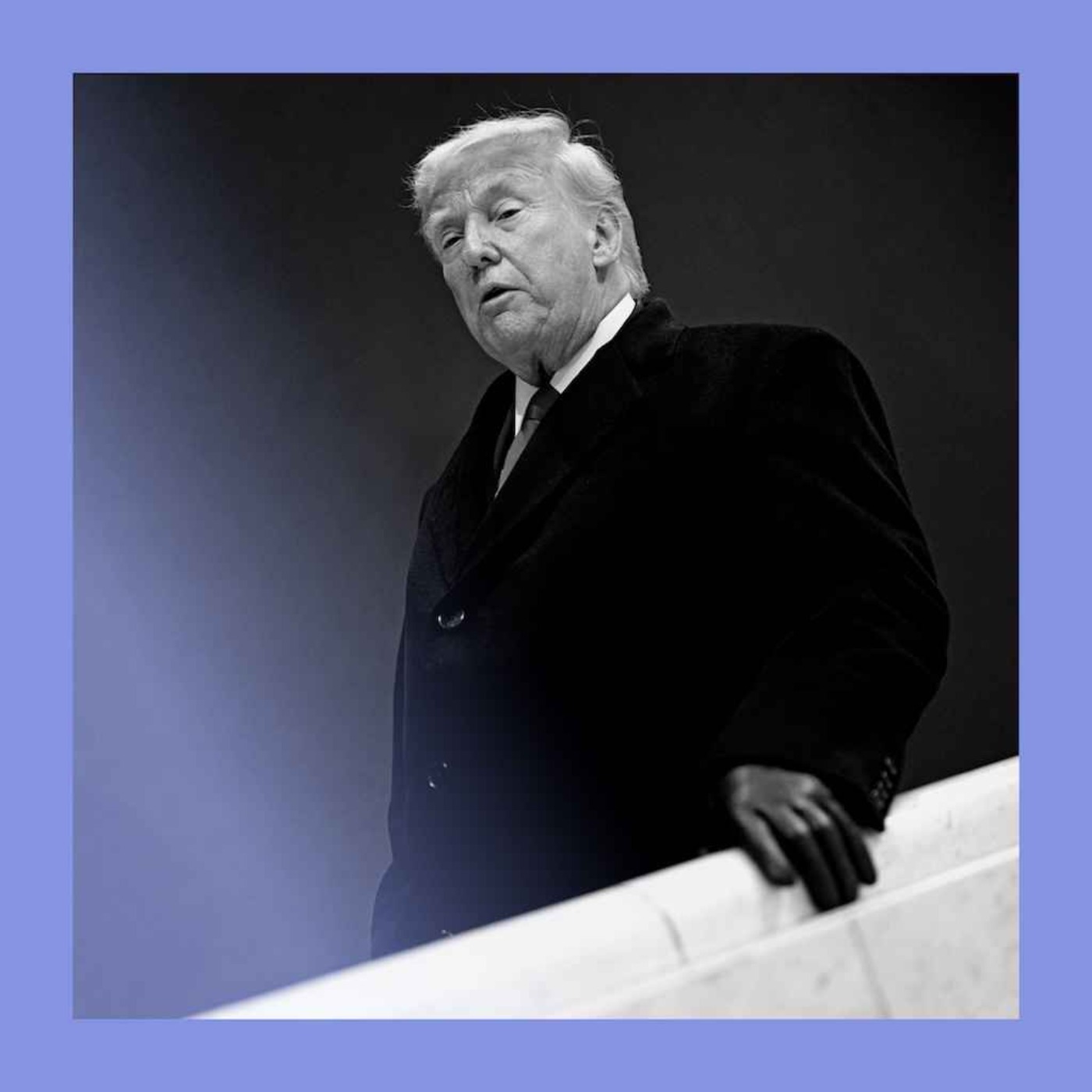
In response to America's predatory and unpredictable policies, allies are not just complaining; they are actively diversifying their economic relationships to reduce their vulnerability. This is seen in new trade deals like EU-Mercosur and Canada-Indonesia, which consciously bypass the US to build resilience.

Due to perceived US instability, traditional allies in Europe and Canada are proactively diversifying their partnerships. They are creating alternative trade and security networks (e.g., EU-India, Canada-EU) to reduce their dependence on the United States.

Chrystia Freeland's strategy with the Trump administration rejected both appeasement and reckless escalation. The approach was to be respectful and find mutual interests, but also hold firm on core principles and retaliate proportionately to unacceptable pressure, as Canada did with steel tariffs.
Canada's long-term economic strategy is built on the belief that the era of increasing integration with the US is permanently over. The leadership anticipates that future American politicians will find it difficult to remove trade barriers, necessitating a fundamental, long-term pivot for Canada's economy away from US dependency.
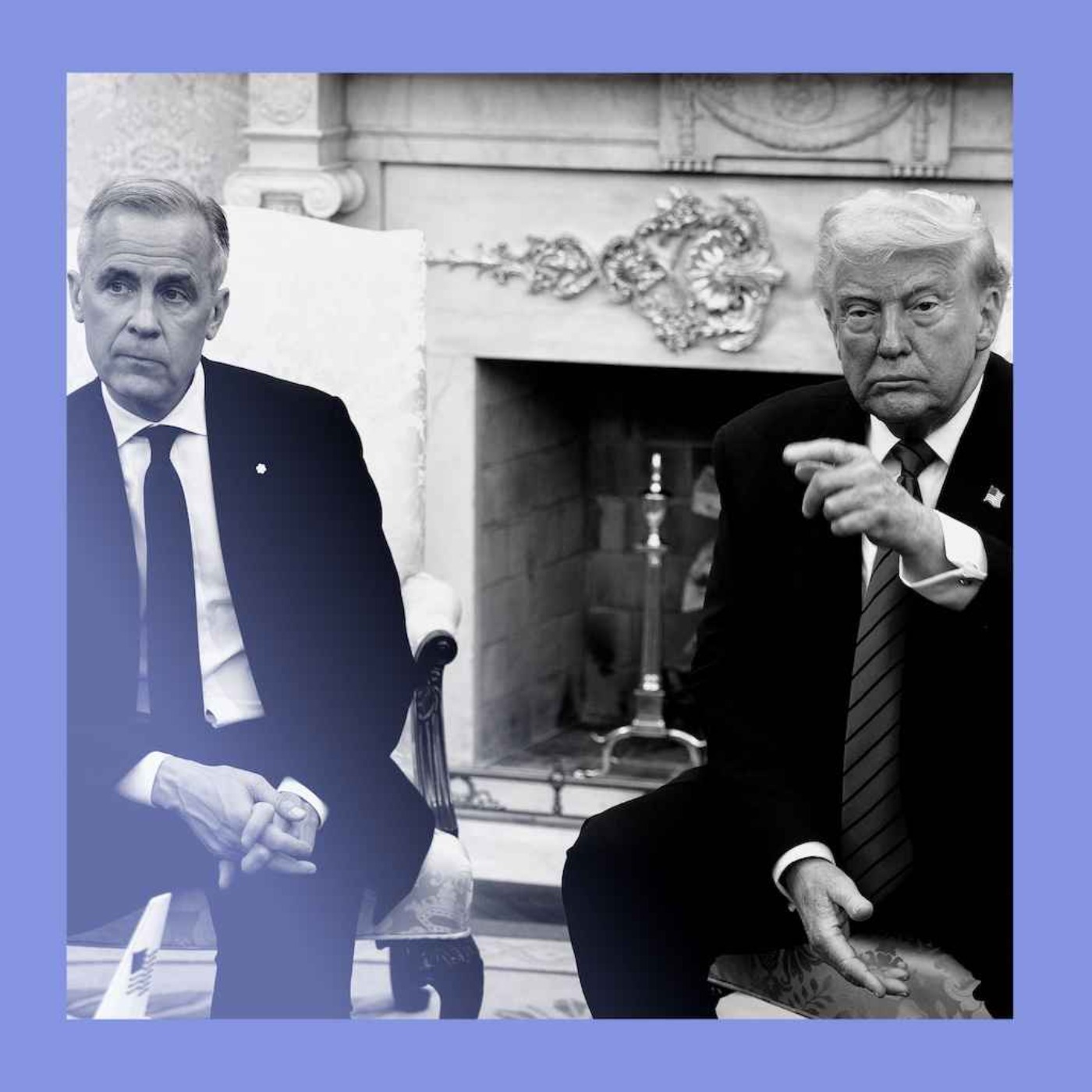
The trade dispute over the Gordie Howe Bridge has angered the Canadian public, who perceive America's tactics as bullying. This sentiment is pressuring Canada's government to adopt a more aggressive, "elbows up" negotiating stance, inspired by the hockey player the bridge is named after, Gordie Howe.
Facing potential US trade hostility, Canada is pursuing an "associate member" relationship with the European Union. This strategic pivot puts the $750 billion in US-Canada commerce in play, creating a massive opportunity for European businesses to displace American suppliers and gain market share.
During NAFTA talks with the Trump administration, Canada didn't just deal with the executive branch. It actively engaged Congress, governors, unions, and businesses to build broad support for the relationship, effectively creating a network of influence around a single, powerful counterpart.