Get your free personalized podcast brief
We scan new podcasts and send you the top 5 insights daily.
Chrystia Freeland's strategy with the Trump administration rejected both appeasement and reckless escalation. The approach was to be respectful and find mutual interests, but also hold firm on core principles and retaliate proportionately to unacceptable pressure, as Canada did with steel tariffs.

Related Insights
Claiming you will only 'turn down the temperature' after your opponents do is not a strategy for de-escalation; it is a justification for retaliation. This 'counter-punching' approach ensures conflict continues. A genuine desire to reduce societal tension requires leading by example, not waiting for the other side to act first.

During the Greenland crisis, Europe employed a two-pronged strategy against Trump's threats. While some leaders like Alexander Stubb pursued de-escalation, others subtly signaled Europe's formidable economic power—a "bazooka" in trade and finance—to create leverage and coerce a non-military resolution.
Dismissing an ally's territorial claims as mere "noise" is a strategic mistake that falls into a pattern of appeasement. The only correct response is a firm, clear, and immediate rejection, exemplified by how former Canadian prime ministers from opposing parties united to condemn such rhetoric.
The Greenland diplomatic row taught European leaders that their previous strategy of delicate diplomacy was ineffective with the Trump administration. By presenting credible retaliatory threats, they discovered they could achieve their objectives, signaling a major shift in transatlantic diplomatic strategy.
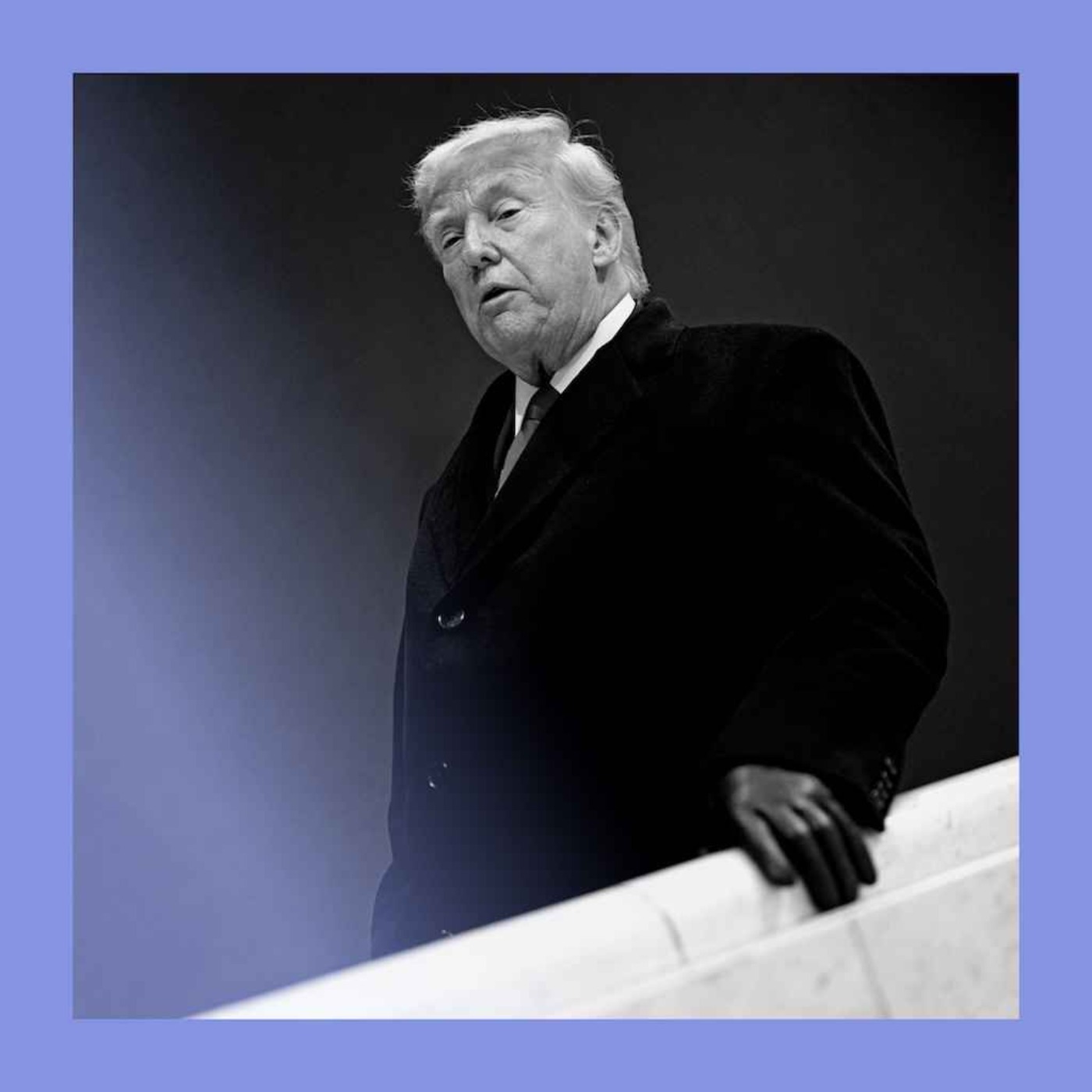
Canada's long-term economic strategy is built on the belief that the era of increasing integration with the US is permanently over. The leadership anticipates that future American politicians will find it difficult to remove trade barriers, necessitating a fundamental, long-term pivot for Canada's economy away from US dependency.
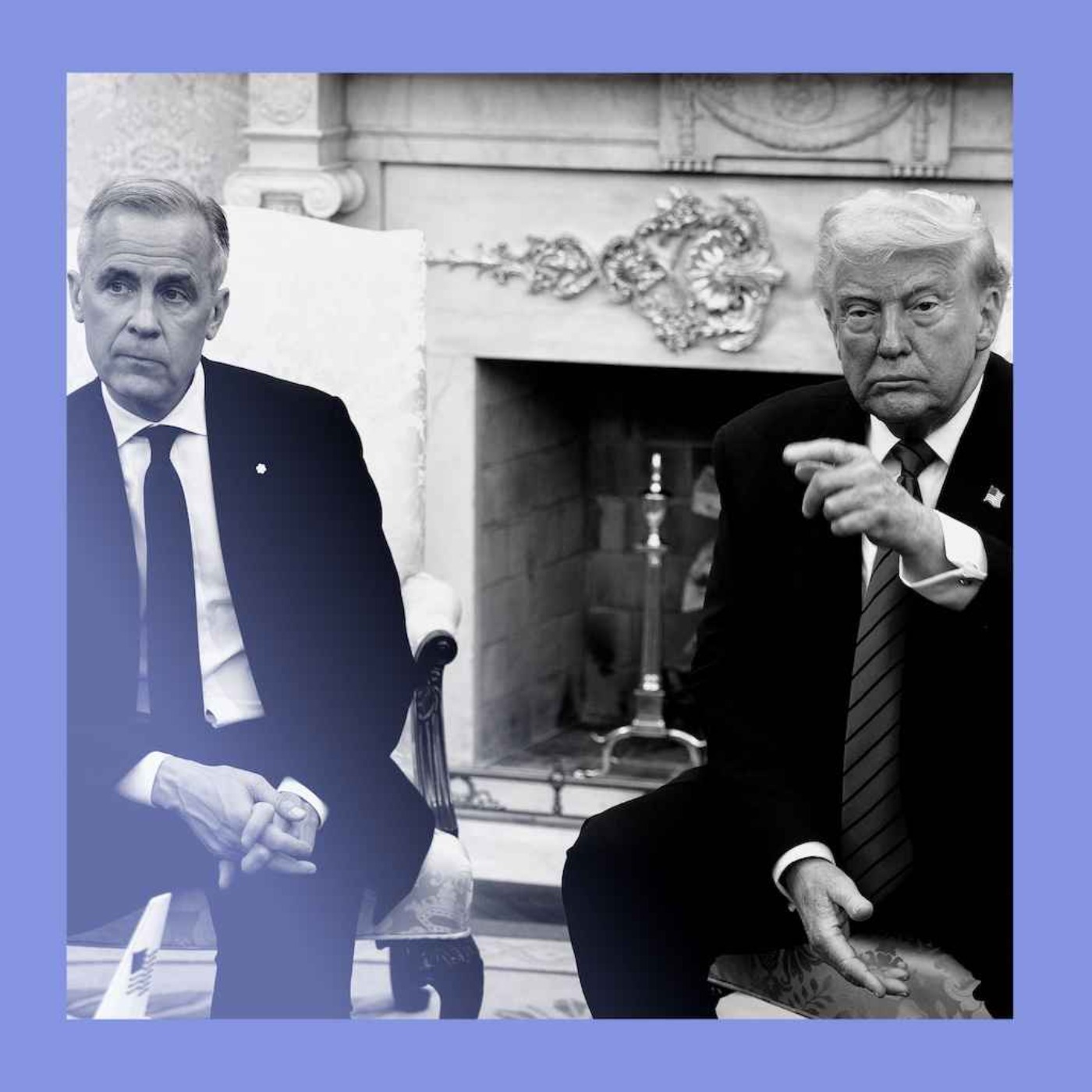
Unlike previous administrations that used trade policy for domestic economic goals, Trump's approach is distinguished by his willingness to wield tariffs as a broad geopolitical weapon against allies and adversaries alike, from Canada to India.

When negotiating with a difficult partner, a shift from aggressive to conciliatory language is a substantive change, not just a stylistic one. This "delivery with a smile" is a meaningful symbolic act that acknowledges the partnership and can de-escalate tensions, even if the core demands remain the same.
During NAFTA talks with the Trump administration, Canada didn't just deal with the executive branch. It actively engaged Congress, governors, unions, and businesses to build broad support for the relationship, effectively creating a network of influence around a single, powerful counterpart.
When meeting an influential person with opposing views, effectiveness trumps the need to be 'right.' The best strategy is to suppress personal indignation and identify a shared interest. Propose a policy or idea within that common ground that they might be receptive to and champion as their own.

The current political dynamic, where one side consistently forgives norm violations, is unsustainable. Game theory suggests a better strategy is 'tit-for-tat with forgiveness': respond in kind to adversarial actions to establish consequences, but also offer an off-ramp back to cooperation. This is more stable than endless retaliation.