Get your free personalized podcast brief
We scan new podcasts and send you the top 5 insights daily.
In response to America's predatory and unpredictable policies, allies are not just complaining; they are actively diversifying their economic relationships to reduce their vulnerability. This is seen in new trade deals like EU-Mercosur and Canada-Indonesia, which consciously bypass the US to build resilience.

Related Insights
America's unpredictable, "law of the jungle" approach doesn't embolden adversaries like Russia or China, who already operate this way. Instead, it forces traditional allies (Canada, Europe, Japan) to hedge their bets, decouple their interests, and reduce reliance on an unreliable United States for upholding international law.

Leaders from the UK, Canada, and Germany are visiting China not for substantive deals, but as a symbolic hedge against Trump's unpredictable foreign policy. These trips allow 'middle powers' to signal diplomatic independence and explore economic diversification, even though their primary security and trade relationships remain firmly with the United States.

Actions like the Greenland affair are alienating allies like Canada and the EU. This pushes them to pursue independent, softer trade policies with China to secure economic benefits, seeing it as diversification rather than a strategic pivot away from the US.

Canada's long-term economic strategy is built on the belief that the era of increasing integration with the US is permanently over. The leadership anticipates that future American politicians will find it difficult to remove trade barriers, necessitating a fundamental, long-term pivot for Canada's economy away from US dependency.
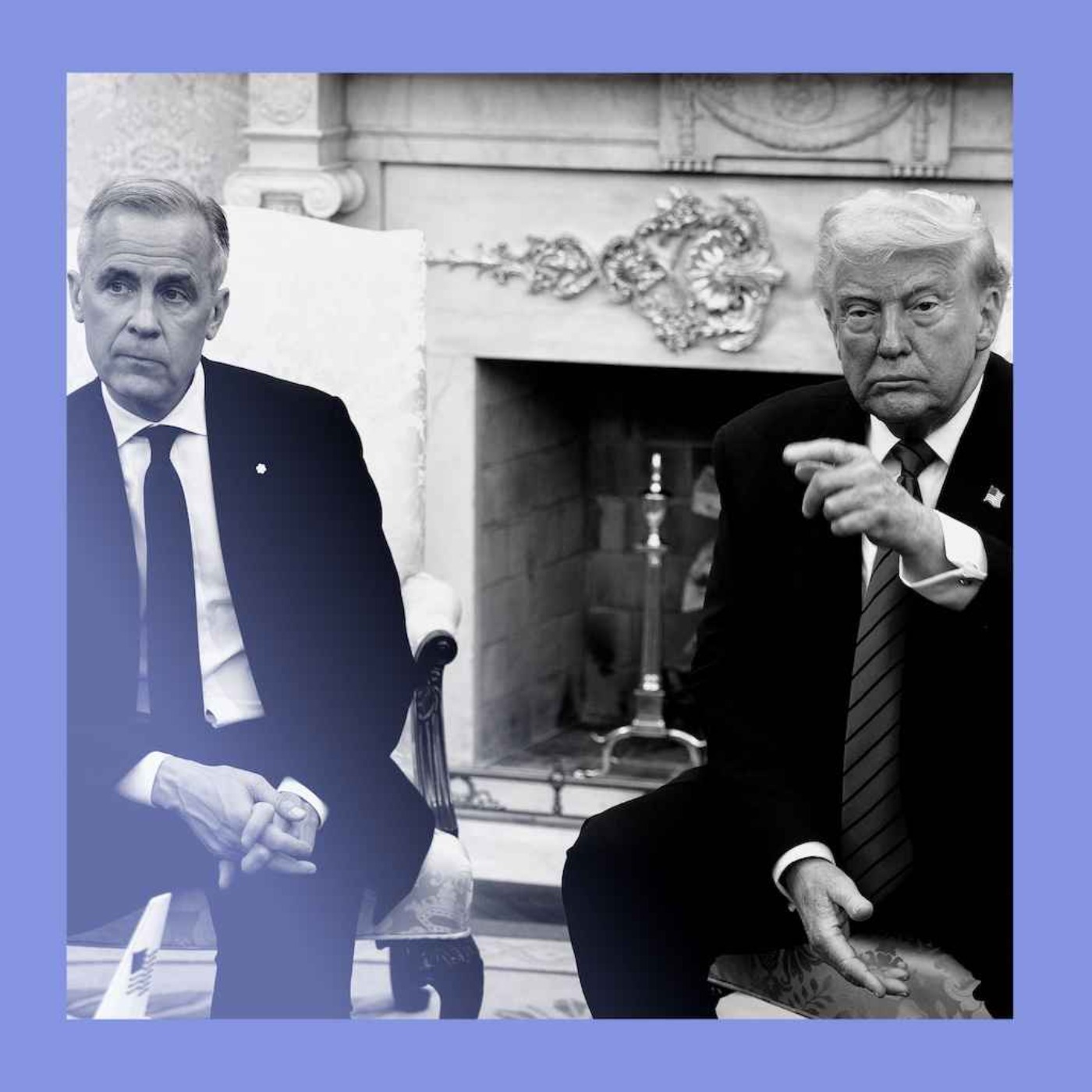
With the U.S. stepping back from its traditional leadership role, European countries are creating new, direct alliances to ensure their own security. A notable example is the emerging UK-Scandinavia-Baltic-Poland axis, which signals a fundamental shift in the continent's geopolitical architecture away from a singular reliance on Washington.

Despite small projected growth, the trade pact is a strategic response to US protectionism and Chinese trade weaponization. It aims to diversify supply chains and strengthen political ties between Europe and Latin America in a fragmenting global economy, showing its true significance is geopolitical.

To counteract US trade barriers, Canada's long-term strategy involves removing its own internal trade barriers between provinces. This move is projected to boost GDP by a quarter of a trillion dollars, enough to offset even a complete breakdown of the US trade deal.
When trade policies force allies like Canada to find new partners, it's not a temporary shift. They build new infrastructure and relationships that won't be abandoned even if the political climate changes. The trust is broken, making the economic damage long-lasting and difficult to repair.

The administration's aggressive, unilateral actions are pushing European nations toward strategic autonomy rather than cooperation. This alienates key partners and fundamentally undermines the 'Allied Scale' strategy of building a collective economic bloc to counter adversaries like China.

The aggressive, go-it-alone tactics of the 'America First' doctrine alienate both allies and adversaries. This pushes them to build alternative payment systems and trade alliances, speeding up the very de-dollarization and decline in U.S. influence that the strategy aims to prevent.