Get your free personalized podcast brief
We scan new podcasts and send you the top 5 insights daily.
During NAFTA talks with the Trump administration, Canada didn't just deal with the executive branch. It actively engaged Congress, governors, unions, and businesses to build broad support for the relationship, effectively creating a network of influence around a single, powerful counterpart.

Related Insights
Unlike politicians who push a pre-set agenda, Trump engages business leaders by asking what their biggest problems are and what he can do to help. This listening-first approach, followed by direct action, builds powerful alliances and is a key feature of his political style.

Lacking formal demand-side tools like government purchase guarantees, the CHIPS Act team relied on persuasion and strategic influence—the 'bully pulpit.' They actively engaged major customers like Apple and Nvidia to signal demand for new US-based fabs, creating market confidence through informal channels.

Leaders from the UK, Canada, and Germany are visiting China not for substantive deals, but as a symbolic hedge against Trump's unpredictable foreign policy. These trips allow 'middle powers' to signal diplomatic independence and explore economic diversification, even though their primary security and trade relationships remain firmly with the United States.

Chrystia Freeland's strategy with the Trump administration rejected both appeasement and reckless escalation. The approach was to be respectful and find mutual interests, but also hold firm on core principles and retaliate proportionately to unacceptable pressure, as Canada did with steel tariffs.
Canada's long-term economic strategy is built on the belief that the era of increasing integration with the US is permanently over. The leadership anticipates that future American politicians will find it difficult to remove trade barriers, necessitating a fundamental, long-term pivot for Canada's economy away from US dependency.
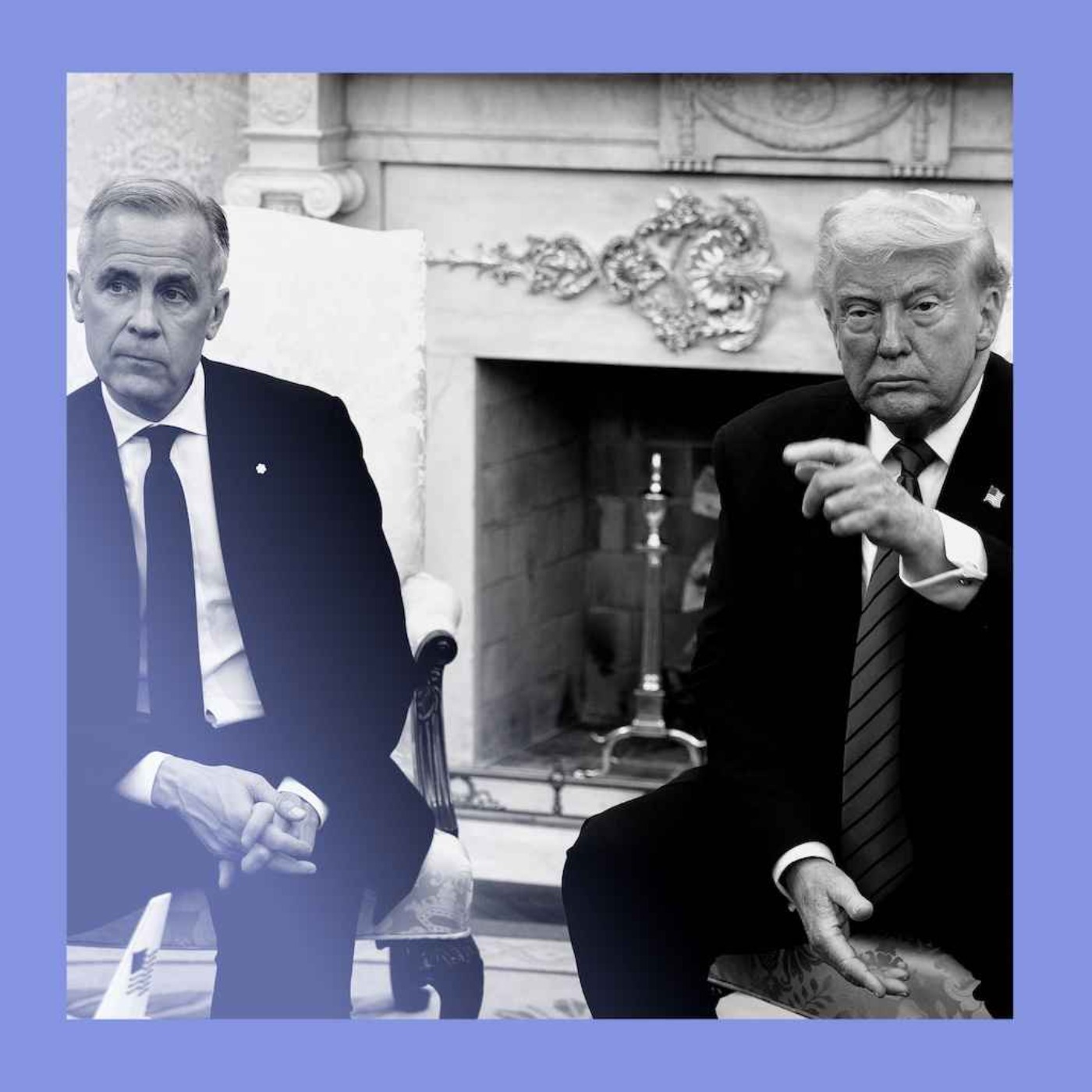
To counteract US trade barriers, Canada's long-term strategy involves removing its own internal trade barriers between provinces. This move is projected to boost GDP by a quarter of a trillion dollars, enough to offset even a complete breakdown of the US trade deal.
Trump's confrontational stance with allies isn't just chaos; it's a calculated strategy based on the reality that they have nowhere else to go. The U.S. can troll and pressure nations like Canada and European countries, knowing they won't realistically align with China, ultimately forcing them to increase their own defense commitments.

When trade policies force allies like Canada to find new partners, it's not a temporary shift. They build new infrastructure and relationships that won't be abandoned even if the political climate changes. The trust is broken, making the economic damage long-lasting and difficult to repair.

The Trump administration perceives its new influence over Venezuela's vast heavy oil resources as a strategic advantage in upcoming USMCA trade negotiations. While not a direct substitute for Canadian crude, the perception of reduced dependence is being wielded as political leverage against a key trading partner.

Beyond legislation and rulemaking, the government can act as a neutral convener, bringing together competing industry players to negotiate solutions to complex problems like lowering drug prices, bypassing legislative gridlock and lengthy legal battles.
