Get your free personalized podcast brief
We scan new podcasts and send you the top 5 insights daily.
To circumvent sanctions on its oil-based economy, Iran has boosted agricultural exports. It now supplies 90% of the cauliflowers, tomatoes, and watermelons imported by the United Arab Emirates, demonstrating a strategic economic pivot to maintain revenue streams amid international pressure.

Related Insights
Sanctions on major Russian oil companies don't halt exports but instead push them into opaque channels. Russia uses independent traders and restructured ownership to create "unknown" cargos, removing sanctioned company names from documents. This model, proven with smaller firms, maintains export volumes while obscuring the oil's origin.

A record harvest of corn and soybeans, coupled with lower demand from China, created a surplus of turkey feed. This supply chain effect directly lowered input costs for farmers, resulting in a significant 14% Thanksgiving turkey price drop for end consumers.

Russia has dramatically shifted its oil trade away from the U.S. dollar, with only 5% of exports now settled in USD, down from 55% in 2022. While this circumvents direct financial sanctions, Russia remains vulnerable as key logistics like freight and insurance are still dollar-linked, increasing costs and complexity.
Instead of crippling China, aggressive US sanctions and tech restrictions are having the opposite effect. They have forced China to accelerate its own domestic R&D and manufacturing for advanced technologies like microchips. This is creating a more powerful and self-sufficient competitor that will not be reliant on the West.

Indian refiners are likely to reduce direct purchases from sanctioned Russian entities like Rosneft. This is driven less by the sanctions themselves and more by the desire to protect their reputation and maintain access to the global financial system. The precedent set with Iran, where official imports dropped to zero, suggests a similar pattern.
The primary impact of U.S. sanctions on Russian oil is not a reduction in supply but a compression of profit margins. Russia is forced to offer deeper discounts, estimated at $3-$5 per barrel below pre-sanction levels, to compensate buyers for increased logistical and financial risks, ensuring export flows remain stable.
Each time the U.S. uses financial sanctions, it demonstrates the risks of relying on the dollar system. This incentivizes adversaries like Russia and China to accelerate the development of parallel financial infrastructure, weakening the dollar's long-term network effect and dominance.

For a country dependent on a powerful neighbor like the U.S., the path to a fairer relationship is creating leverage. This is achieved by developing independent infrastructure, like pipelines and LNG terminals, to sell resources to other world markets. With viable alternatives, the country can negotiate from a position of strength, not desperation.

Despite significant US tariffs hitting labor-intensive goods, China's overall export volume remains strong. This resilience stems from a structural shift towards high-tech sectors like semiconductors and autos, combined with strategically rerouting trade through intermediary ASEAN countries to circumvent direct tariffs.

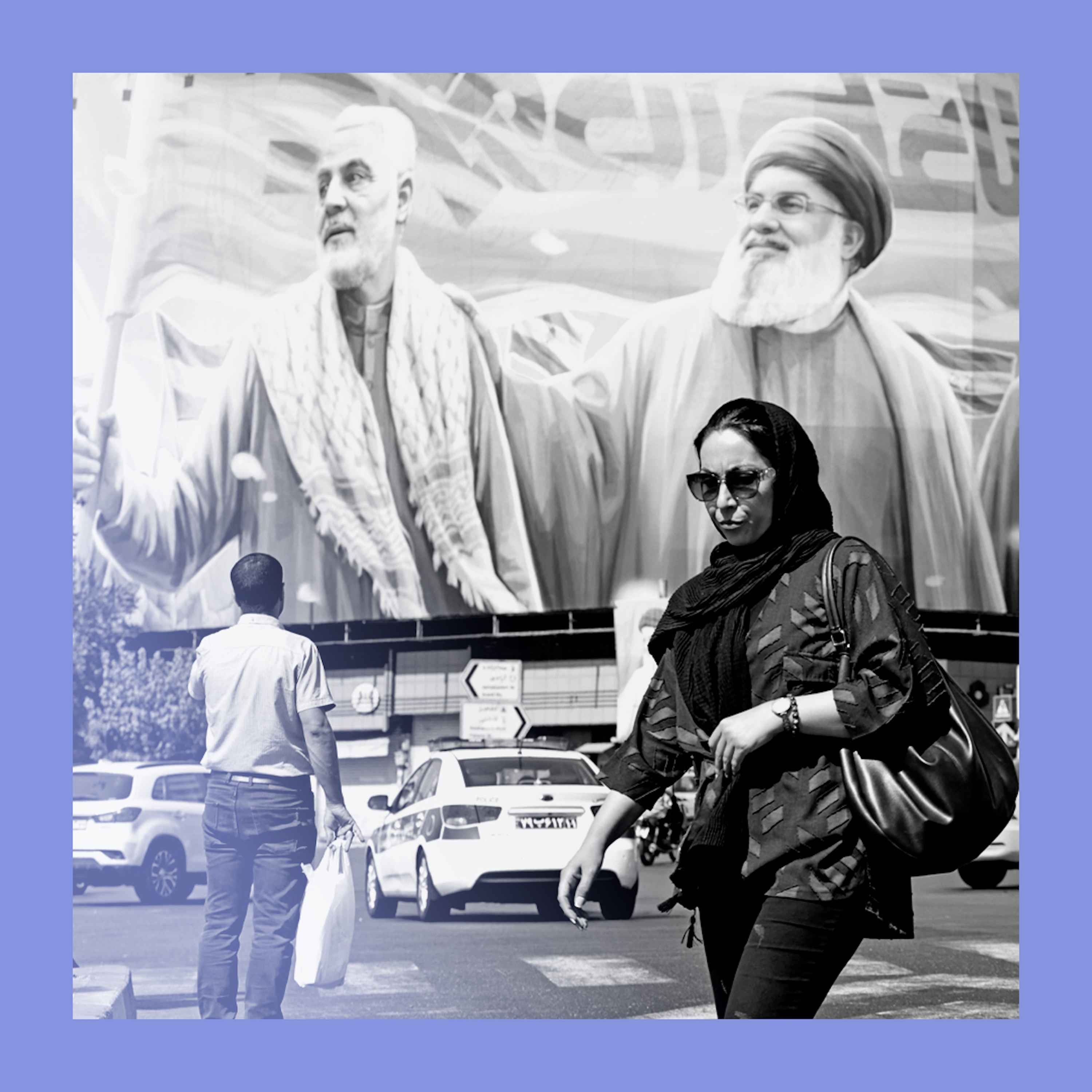
Facing severe economic pressure from sanctions and inflation, the Iranian government has relaxed enforcement of the hijab law. This is a calculated concession to appease the population and release social pressure, effectively trading social freedom for economic stability without ceding significant political power.