Get your free personalized podcast brief
We scan new podcasts and send you the top 5 insights daily.
The era of simply 'slapping a celebrity face' on a product is over. Modern consumers demand authenticity. Successful brands like Fenty and Rare Beauty thrive because their founders are deeply involved, knowledgeable about the products, and genuinely connected to a larger mission, such as inclusivity or mental health.

Related Insights
Lululemon's founder argues the brand is in a "nosedive" because its finance-focused CEO lacks creative vision. This highlights a critical tension: trendy consumer brands thrive on a founder's unique DNA, which can be lost when replaced by purely data-driven management that prioritizes deals over dreams.

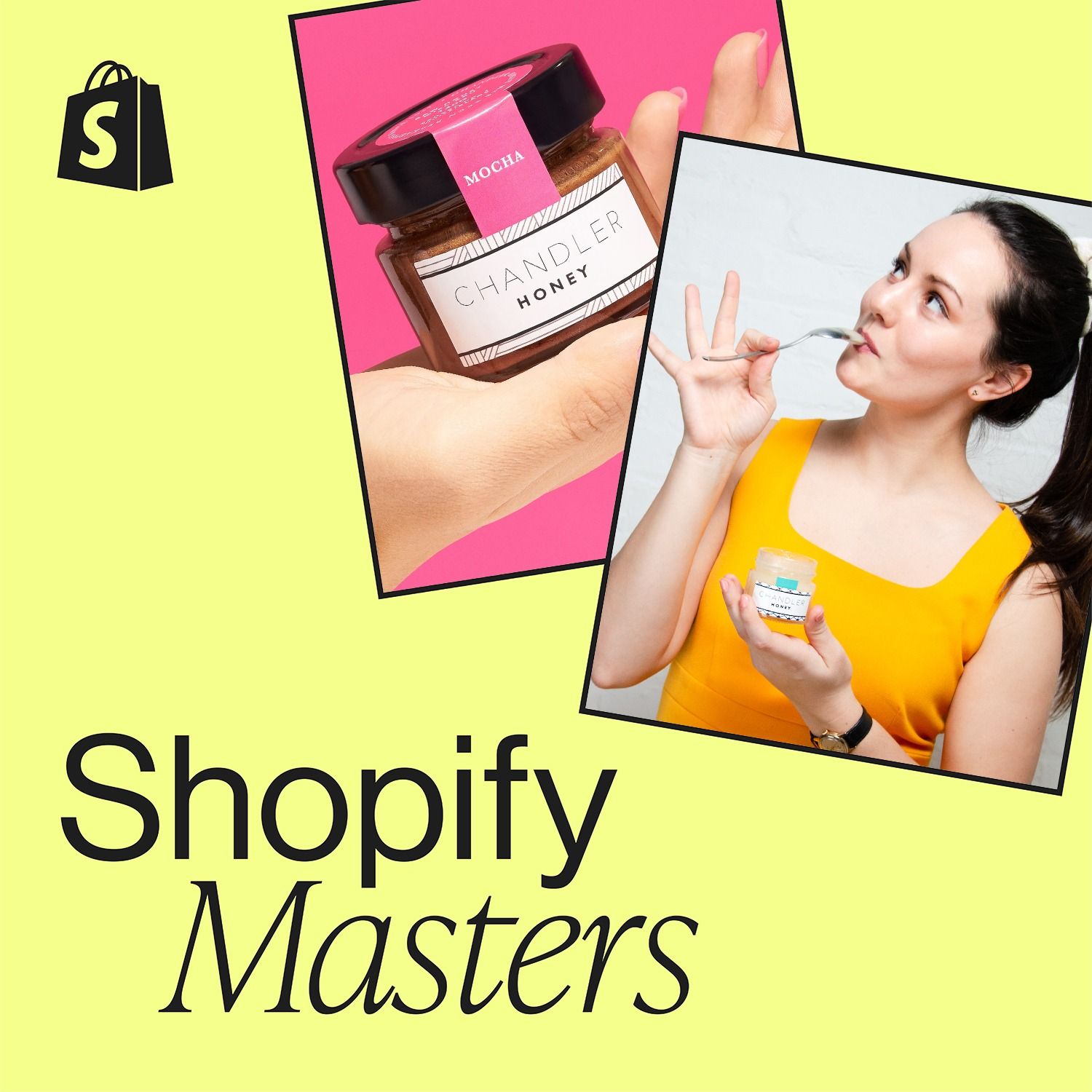
Analysis of Instagram stats showed the founder that posts featuring her, sharing behind-the-scenes content, and involving customers in decisions generate the most engagement. This validates the strategy of deeply intertwining the founder's personal identity with the brand.
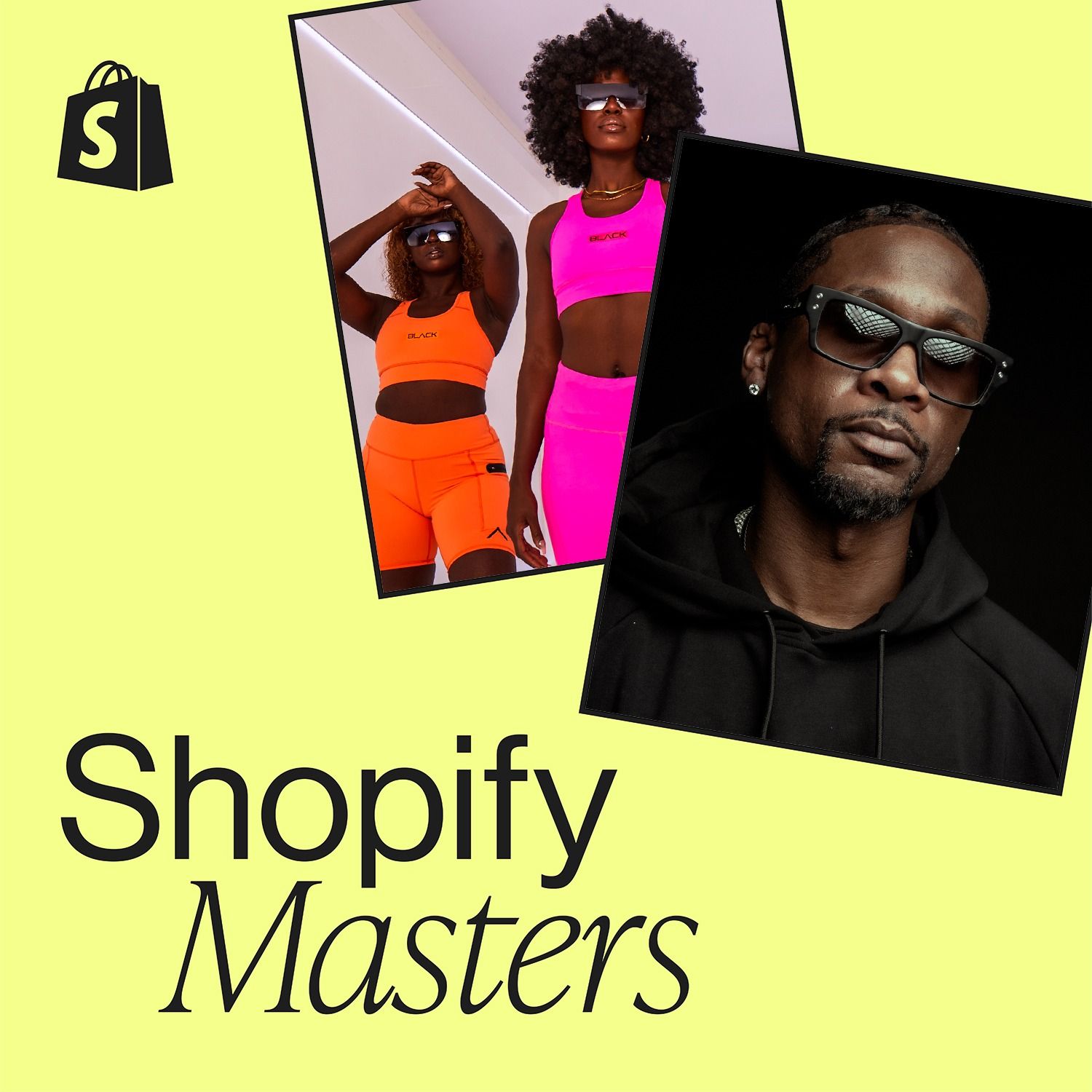
Lanny Smith was initially uncomfortable being the public face of Actively Black. He found, however, that sharing his personal story and motivations created a deeper customer connection than any marketing campaign could, making his authentic narrative the brand's most powerful growth tool.
Don't dismiss the success of celebrity brands as unattainable. Instead, analyze the core mechanism: massive 'free reach' and 'memory generation.' The takeaway isn't to hire a celebrity, but to find your own creative ways to generate a similar level of organic attention and build a tribe around your brand.

The marketing playbook has shifted from promoting products to promoting the personality behind them (e.g., Tesla is Elon Musk). A company without a founder or CEO who can act as a public "character" struggles to gain traction, as corporate messaging accounts are no longer effective in a noisy media environment.
Olipop only pursues celebrity partnerships after discovering the star is a genuine fan, like when Camila Cabello was repeatedly photographed with the product. The brand then creates "anti-celebrity celebrity ads," featuring the star's real family to ensure the endorsement feels authentic rather than transactional.

The nature of marketing has shifted from promoting a faceless corporation to showcasing an authentic founder personality. Companies without an interesting character at the helm are at a disadvantage. This requires leaders to be public figures, as their personal brand, story, and voice are now integral to the company's identity and success.

A successful entrepreneur who built her business on her personal brand now cautions against it being the only viable strategy. She admits she was wrong and now advocates for building businesses not tied to one's name and likeness, stressing the need to separate the human from the brand.

For influencer-led brands like Dough Guy, the founder's personality and content are the primary assets. Trying to scale the brand by removing the founder too early is a mistake. The founder must remain the central figure until the brand has its own standalone gravity and loyal community.

In a product-led world, the B2B concept of 'founder-led sales' evolves into 'founder-led marketing.' Founders must deeply own the brand's narrative. This means personally onboarding key influencers and being the first to learn how to tell the story broadly, ensuring the message is right before scaling the function.