Get your free personalized podcast brief
We scan new podcasts and send you the top 5 insights daily.
Lululemon's founder argues the brand is in a "nosedive" because its finance-focused CEO lacks creative vision. This highlights a critical tension: trendy consumer brands thrive on a founder's unique DNA, which can be lost when replaced by purely data-driven management that prioritizes deals over dreams.

Related Insights
A founder's real boss is their customer base. While keeping a board happy is important, some CEOs become so consumed with managing up that they lose sight of the product and customer needs, ultimately driving the company off a cliff despite running perfect board meetings.

The startup world over-indexes on the aggressive, relentless founder archetype. Spotify CEO Daniel Ek argues for the need to recognize and promote alternative models. Success doesn't require emulating a single personality type; it requires building a business that is authentic to you.

For a controversial strategic shift, a co-founder's "moral authority" is invaluable. They can absorb the risk of looking foolish and give up their responsibilities ("Legos") to spearhead a new initiative. This allows them to champion a new direction with a level of credibility that can overcome internal skepticism.

Founders like James Dyson and Yvon Chouinard represent the "anti-business billionaire." They are obsessed with product quality and retaining control, often making decisions that seem financially sub-optimal in the short term. This relentless focus on creating the best product ultimately leads to massive financial success.
Koenigsegg's company wasn't a calculated business decision but a deep-seated "compulsion" he had to get out of his system. This intrinsic drive, where passion chooses the founder, is the fuel for enduring decades of hardship. It's a non-replicable asset that becomes the soul of the brand and its products.

Strict adherence to brand cohesion often stifles creativity and results in subjective boardroom debates. Brands achieve more by focusing on creating relevant, timely content that resonates with their audience, even if it occasionally breaks established stylistic guidelines.

The intense, unreasonable passion that fuels hyper-growth is the same trait that can lead a founder to make reckless, company-threatening decisions. You can't have the creative genius without the potential for destructive behavior. The same person who clears the path can also blow everything up.

Successor CEOs cannot replicate the founder's all-encompassing "working memory" of the company and its products. Recognizing this is key. The role must shift from knowing everything to building a cohesive team and focusing on the few strategic decisions only the CEO can make.
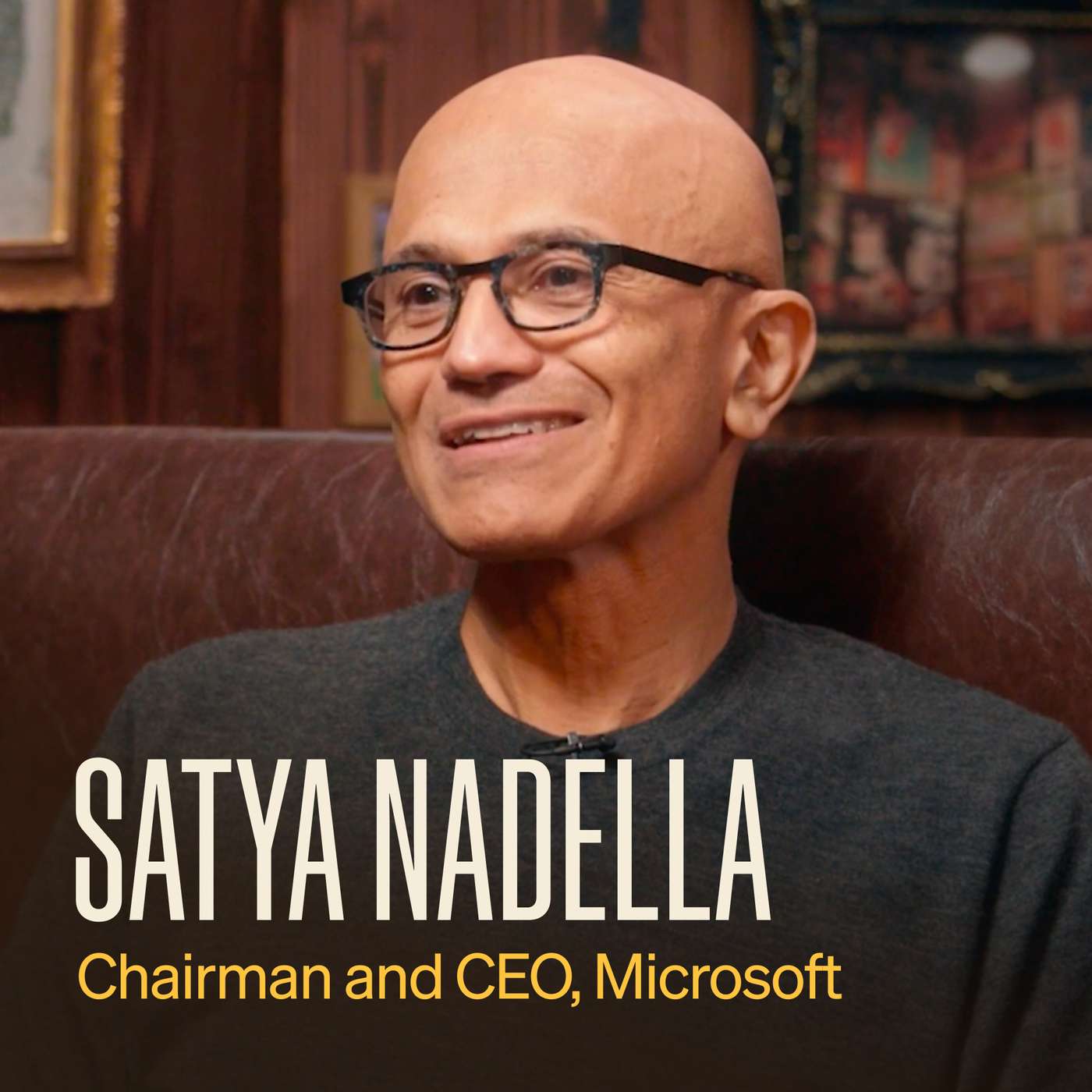
The nature of marketing has shifted from promoting a faceless corporation to showcasing an authentic founder personality. Companies without an interesting character at the helm are at a disadvantage. This requires leaders to be public figures, as their personal brand, story, and voice are now integral to the company's identity and success.

A brand's long-term health depends on leaders viewing themselves as stewards, not owners. This mindset allows the brand to have its own life, adapt, and evolve—much like a child growing into its own person—ensuring it can survive beyond the founder's direct control.
