Get your free personalized podcast brief
We scan new podcasts and send you the top 5 insights daily.
The marketing playbook has shifted from promoting products to promoting the personality behind them (e.g., Tesla is Elon Musk). A company without a founder or CEO who can act as a public "character" struggles to gain traction, as corporate messaging accounts are no longer effective in a noisy media environment.
Related Insights
Analysis of Instagram stats showed the founder that posts featuring her, sharing behind-the-scenes content, and involving customers in decisions generate the most engagement. This validates the strategy of deeply intertwining the founder's personal identity with the brand.

To stand out from infinite content, communications must be attached to a human figure, delivered with absolute conviction, and framed within a larger narrative arc. These elements appeal to human psychology, giving audiences a character to root for and a story to follow, which generic content cannot replicate.

A manufactured persona feels uncanny and creates a bait-and-switch for employees. Instead, identify a founder's true archetype and strategically amplify the authentic traits most useful for the business, like turning up the volume on a specific aspect of their personality.

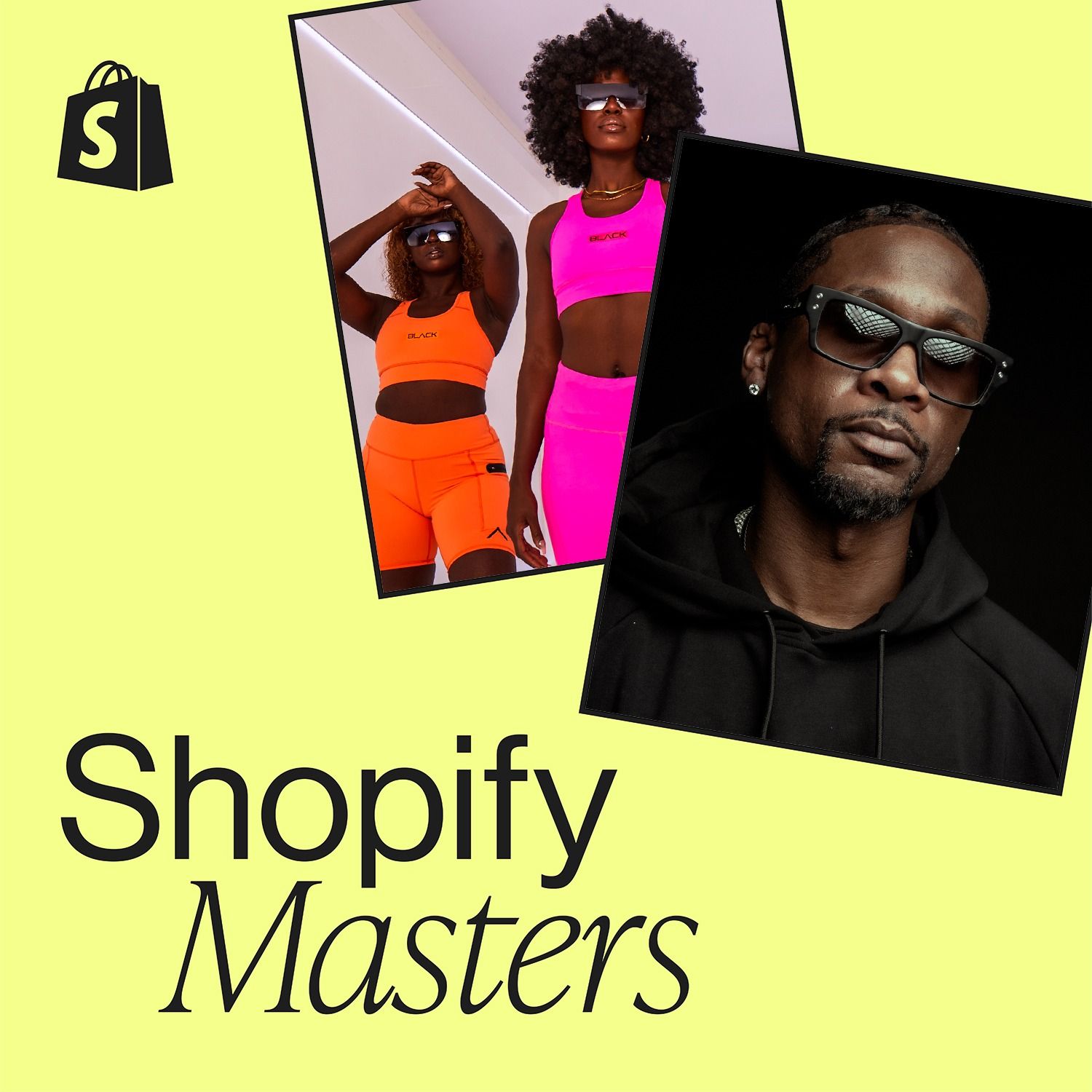
Lanny Smith was initially uncomfortable being the public face of Actively Black. He found, however, that sharing his personal story and motivations created a deeper customer connection than any marketing campaign could, making his authentic narrative the brand's most powerful growth tool.
Trust is now built through credible personalities, not just branded content. Channels like podcasts and newsletters succeed because they are personality-driven. HubSpot's CEO advises businesses to identify and empower internal figures with high authority to represent the brand.

A successful startup often resembles a cult, requiring a leader who communicates their vision with unwavering, first-person conviction. Hiding the founder behind polished PR spokespeople is a mistake; it neuters the contagious belief required to recruit talent and build a movement against impossible odds.
For communities or companies like Dave Gerhardt's Exit 5, the founder's personal brand can become the primary differentiator. This creates a 'category of one' in the customer's mind (e.g., 'The Dave Gerhardt Community'), making direct comparisons difficult and establishing a powerful moat that transcends feature-based competition.

Unlike previous eras focused on broad, mass-market appeal, today's winning marketing strategy builds and mobilizes deep, committed tribes of followers. This 'cult and tribe' approach, exemplified by Elon Musk, secures capital, customers, and talent by fostering a phalanx of true believers.

The nature of marketing has shifted from promoting a faceless corporation to showcasing an authentic founder personality. Companies without an interesting character at the helm are at a disadvantage. This requires leaders to be public figures, as their personal brand, story, and voice are now integral to the company's identity and success.

In a product-led world, the B2B concept of 'founder-led sales' evolves into 'founder-led marketing.' Founders must deeply own the brand's narrative. This means personally onboarding key influencers and being the first to learn how to tell the story broadly, ensuring the message is right before scaling the function.