Get your free personalized podcast brief
We scan new podcasts and send you the top 5 insights daily.
Iran benefits from dragging out negotiations until the US midterms. The US administration's need for a quick economic and political win puts them in a weaker position, forcing concessions like upfront sanctions relief.

Related Insights
Despite being the weaker military party, Iran's ability to inflict persistent pain on regional shipping and U.S. allies gives it leverage. To secure a ceasefire, the U.S. may have to offer incentives like sanctions relief, allowing Iran to turn military weakness into diplomatic strength.

Venezuela's remaining leadership can adopt a strategy of "playing for time." By appearing cooperative while delaying substantive changes, they can wait for events like the US midterms to increase domestic political pressure on the administration, making sustained intervention unpopular and difficult to maintain. The weaker state's best defense is the superpower's internal clock.
The US military buildup against Iran is interpreted not as an inevitable prelude to war, but as a high-stakes 'game of chicken.' The primary goal for President Trump is likely to exert maximum pressure to force Iran into a diplomatic deal with major concessions, making war a secondary, less preferable option.

The dangerous stalemate between the US and Iran continues because each side believes it has greater endurance. Tehran thinks it can hold out for months while the US economy suffers, while Washington believes Iran is on the brink of collapse. This mutual overconfidence prevents urgent, good-faith negotiations.

The U.S. mistakenly assumes Iran will react rationally to military pressure, as the West would. However, Iran's regime has a different calculus, valuing time and being more willing to let its populace suffer, making stalling tactics highly effective against American political and economic pressures.

Iran's strategy is not to win a conventional war but to play a waiting game, believing it can withstand damage until the U.S. loses its political will to continue the conflict, especially with an unpopular president facing midterms. This turns the situation into a potential "forever war" where the exit strategy is the main challenge.

The public threats of a military strike against Iran may be a high-stakes negotiating tactic, consistent with Trump's style of creating chaos before seeking a deal. The goal is likely not war, which would be politically damaging, but to force Iran into economic concessions or a new agreement on US terms.

Beijing believes that as the U.S. midterm elections approach, the Trump administration will feel increasing pressure to secure a tangible "win" or deal. By prolonging negotiations, China aims to maximize its leverage and extract more favorable terms, mapping this strategy from the first trade war.
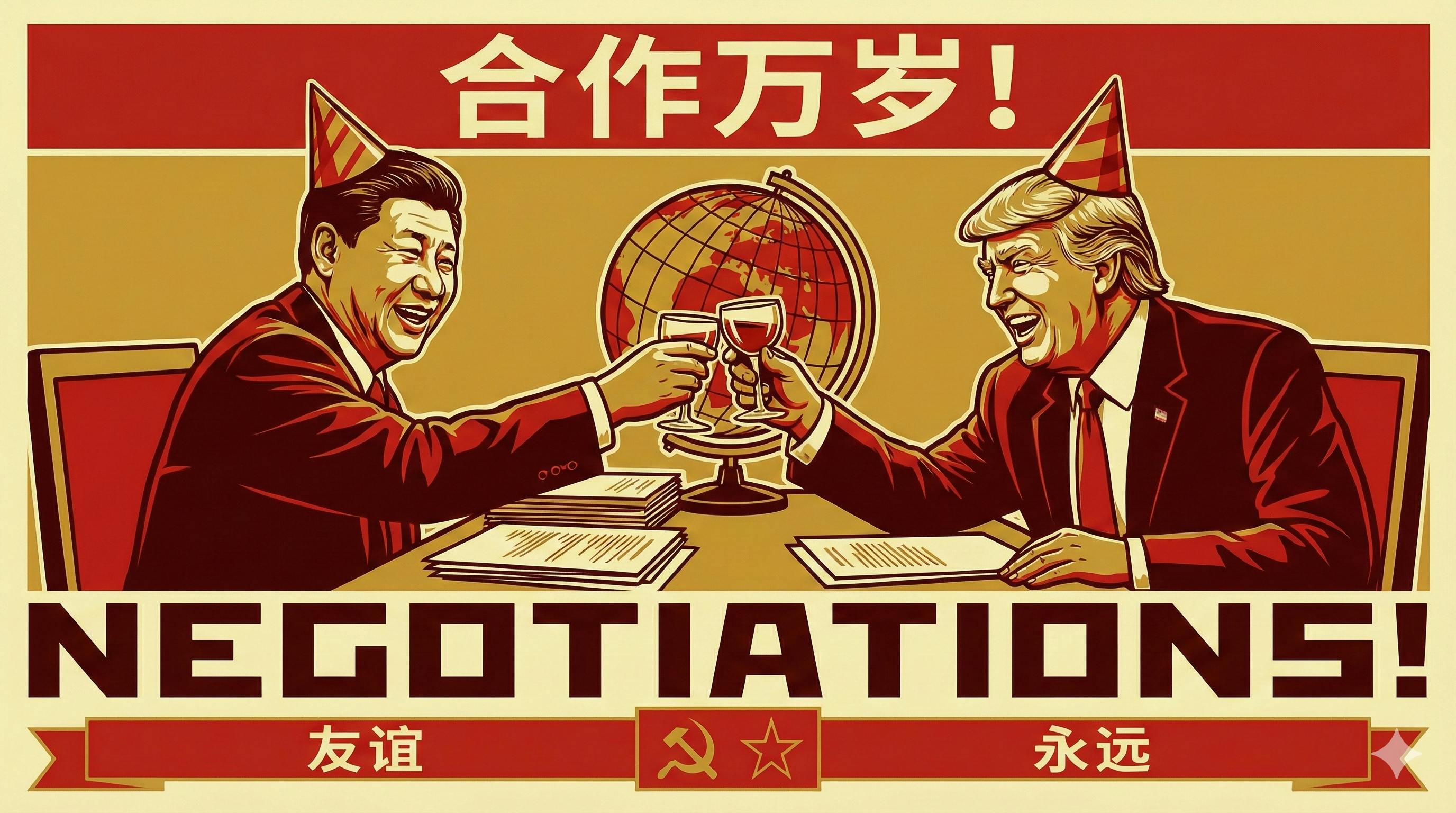
Iran's strategy isn't a quick military victory but a war of attrition. By accepting a long timeline and inflicting small but consistent damage, it aims to erode US domestic support for the war, especially in an election year, and outlast the current administration.
Iran's leadership is betting it can withstand economic pressure longer than the US president can tolerate rising gas prices and diplomatic fallout ahead of midterm elections. Having survived past sanctions, Iran believes its autocratic regime has more staying power than an American administration facing voter discontent.