Get your free personalized podcast brief
We scan new podcasts and send you the top 5 insights daily.
The dangerous stalemate between the US and Iran continues because each side believes it has greater endurance. Tehran thinks it can hold out for months while the US economy suffers, while Washington believes Iran is on the brink of collapse. This mutual overconfidence prevents urgent, good-faith negotiations.
Related Insights
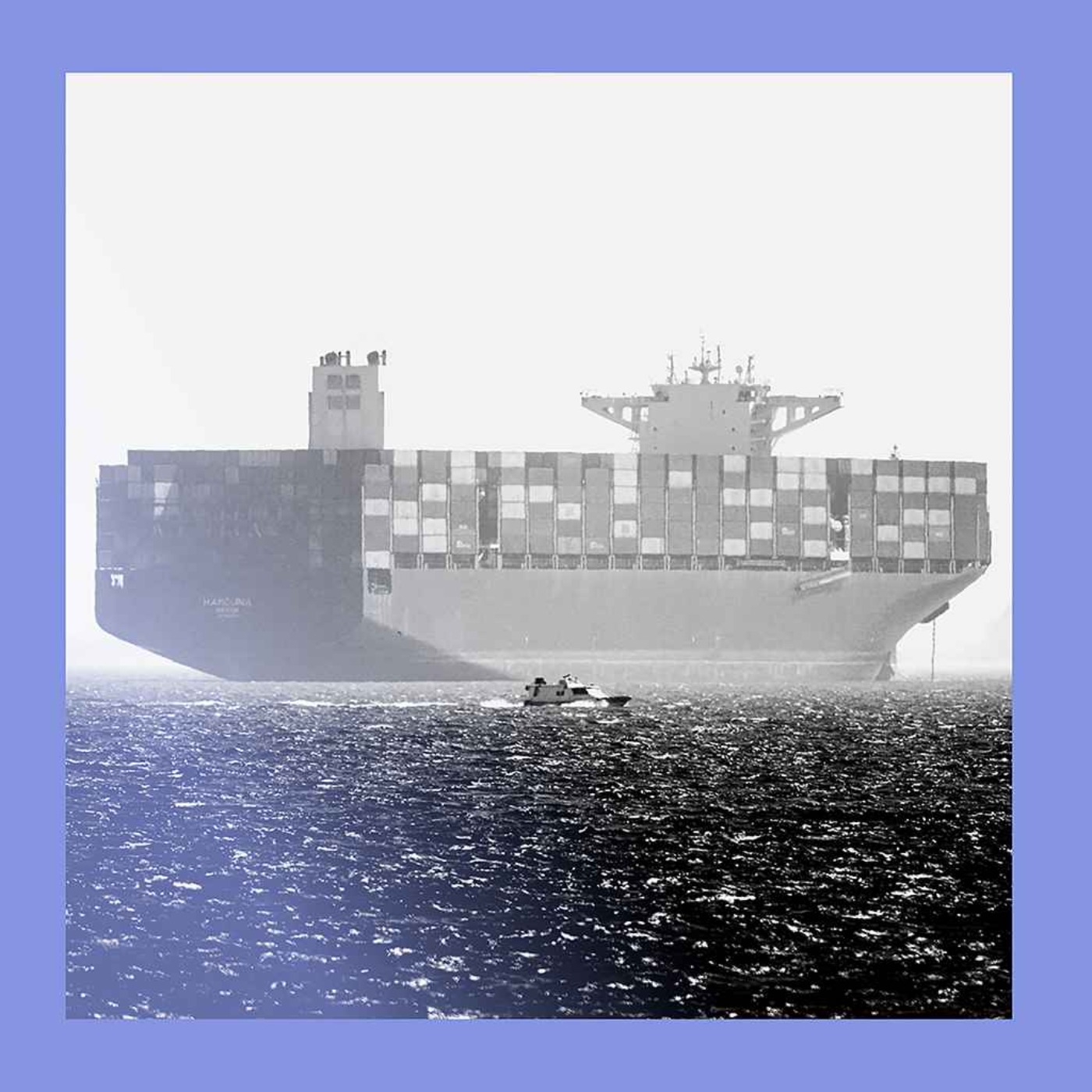
Despite being the weaker military party, Iran's ability to inflict persistent pain on regional shipping and U.S. allies gives it leverage. To secure a ceasefire, the U.S. may have to offer incentives like sanctions relief, allowing Iran to turn military weakness into diplomatic strength.

The US military buildup against Iran is interpreted not as an inevitable prelude to war, but as a high-stakes 'game of chicken.' The primary goal for President Trump is likely to exert maximum pressure to force Iran into a diplomatic deal with major concessions, making war a secondary, less preferable option.

Leaders often assume that applying pressure will force an opponent to the negotiating table. This strategy can fail when the adversary operates under a different logic or, as with Iran's decentralized military, when there is no single authority left to negotiate with, revealing a critical cognitive bias.

Even if President Trump pivots and declares victory, the economic forecast's weak point is the assumption that Iran will immediately stand down. Iran may leverage the situation to extract guarantees, keeping oil prices high and undermining a market recovery.

Iran's strategy isn't a quick military victory but a war of attrition. By accepting a long timeline and inflicting small but consistent damage, it aims to erode US domestic support for the war, especially in an election year, and outlast the current administration.
A viable nuclear deal with Iran exists, structurally similar to the JCPOA. The primary barrier is not substance, but a clash of styles. Trump needs to publicly "win" and show he made Iran concede, while Iran's leadership culture cannot accept any deal that smacks of public surrender.
The President is in a strategic corner over Iran. He cannot politically withdraw while the Strait of Hormuz is closed, as it would be seen as a major defeat. Yet, every day the conflict continues, Iran claims a symbolic victory merely by surviving, making the situation a losing proposition for the U.S. regardless of the outcome.

The temporary US-Iran ceasefire is fundamentally fragile because the core demands are mutually exclusive. Iran insists on its right to enrich uranium, while the US demands it swears off enrichment entirely. This core conflict makes a permanent deal highly improbable, regardless of short-term de-escalation.
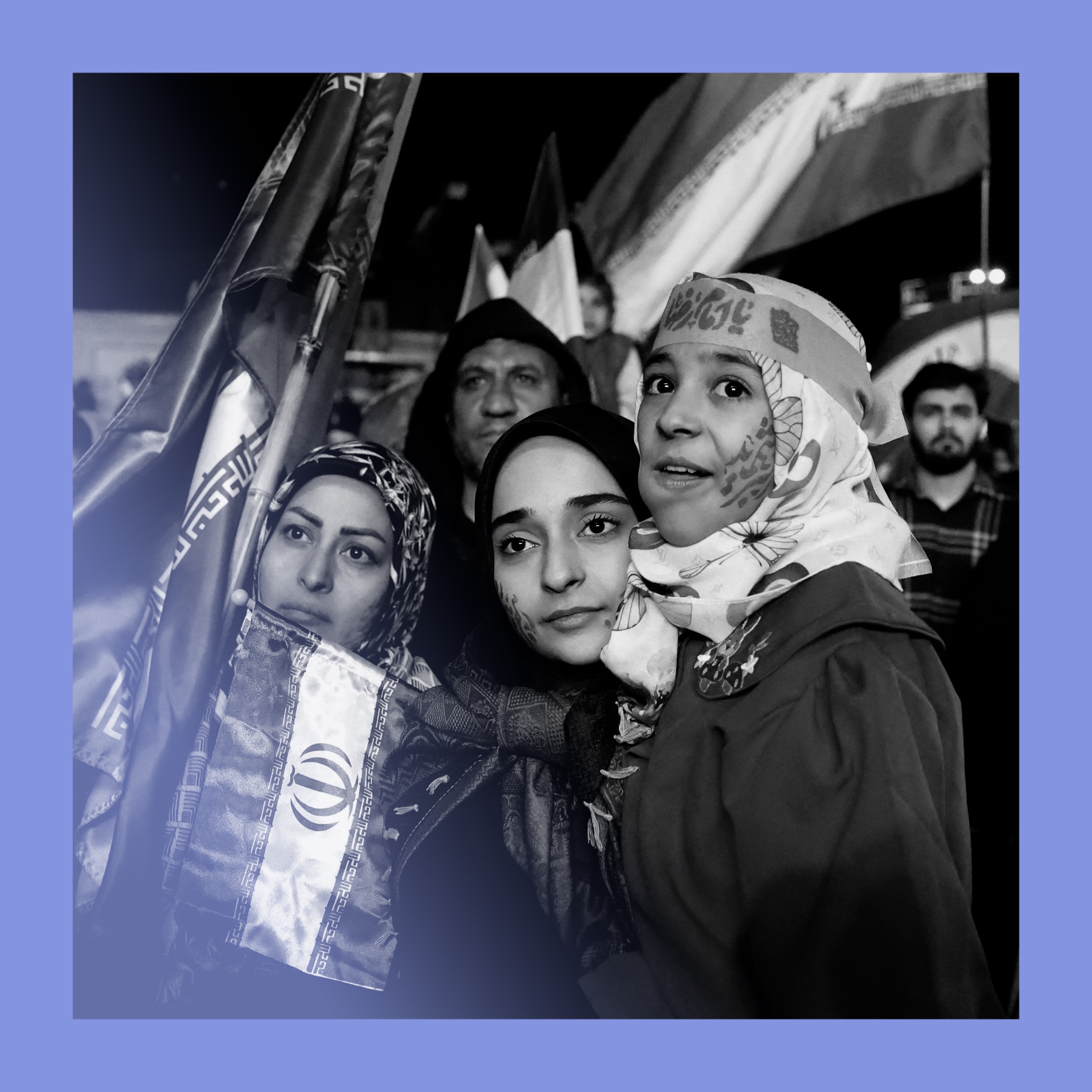
Iran's leadership is betting it can withstand economic pressure longer than the US president can tolerate rising gas prices and diplomatic fallout ahead of midterm elections. Having survived past sanctions, Iran believes its autocratic regime has more staying power than an American administration facing voter discontent.
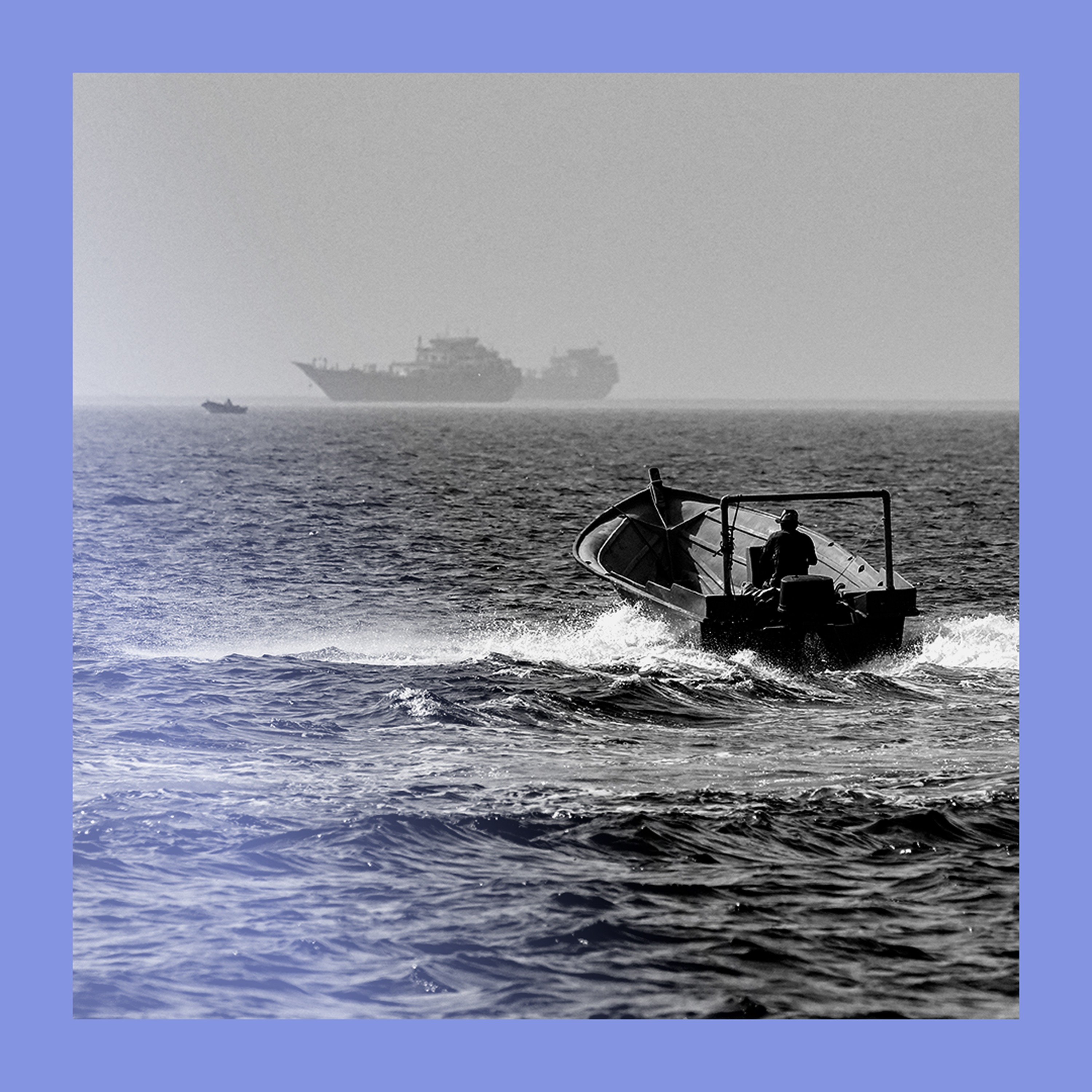
The US presumed a 'decapitation strike' would cause the Iranian regime to collapse from internal mismanagement and popular unrest. This proved false, as the regime's institutionalization and resilience were severely underestimated, leading to a protracted conflict for Washington.