Get your free personalized podcast brief
We scan new podcasts and send you the top 5 insights daily.
Despite being the weaker military party, Iran's ability to inflict persistent pain on regional shipping and U.S. allies gives it leverage. To secure a ceasefire, the U.S. may have to offer incentives like sanctions relief, allowing Iran to turn military weakness into diplomatic strength.

Related Insights
Countries like the UAE and Saudi Arabia are ambivalent about US military action. Their primary fear is not a full-scale war, but a limited 'hit-and-run' strike where the US attacks and then diverts attention, leaving them 'naked and vulnerable' to Iranian retaliation without a long-term American security presence.

Despite the largest military deployment in 20 years, President Trump's goal is not necessarily conflict. He would rather use the credible threat of force as leverage to secure a diplomatic deal with Iran, providing him an "off-ramp" from his aggressive posturing.

While currently aligned, the long-term interests of Israel and the US in a war with Iran could split. Israel seeks total elimination of Iran's missile threat, implying a prolonged conflict. The US, however, may have less tolerance for a drawn-out war due to concerns about its impact on global energy prices and the economy.
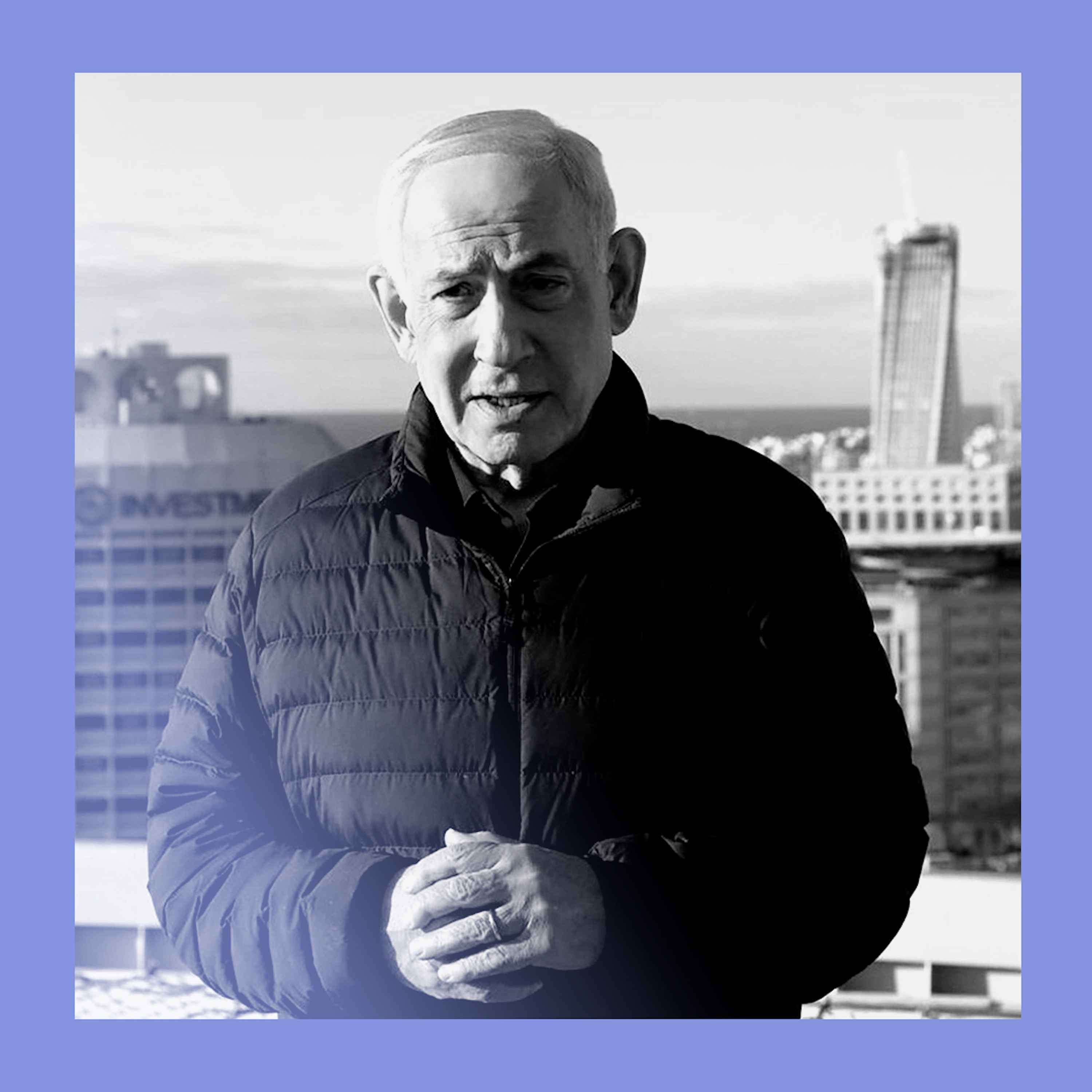
The US military buildup against Iran is interpreted not as an inevitable prelude to war, but as a high-stakes 'game of chicken.' The primary goal for President Trump is likely to exert maximum pressure to force Iran into a diplomatic deal with major concessions, making war a secondary, less preferable option.
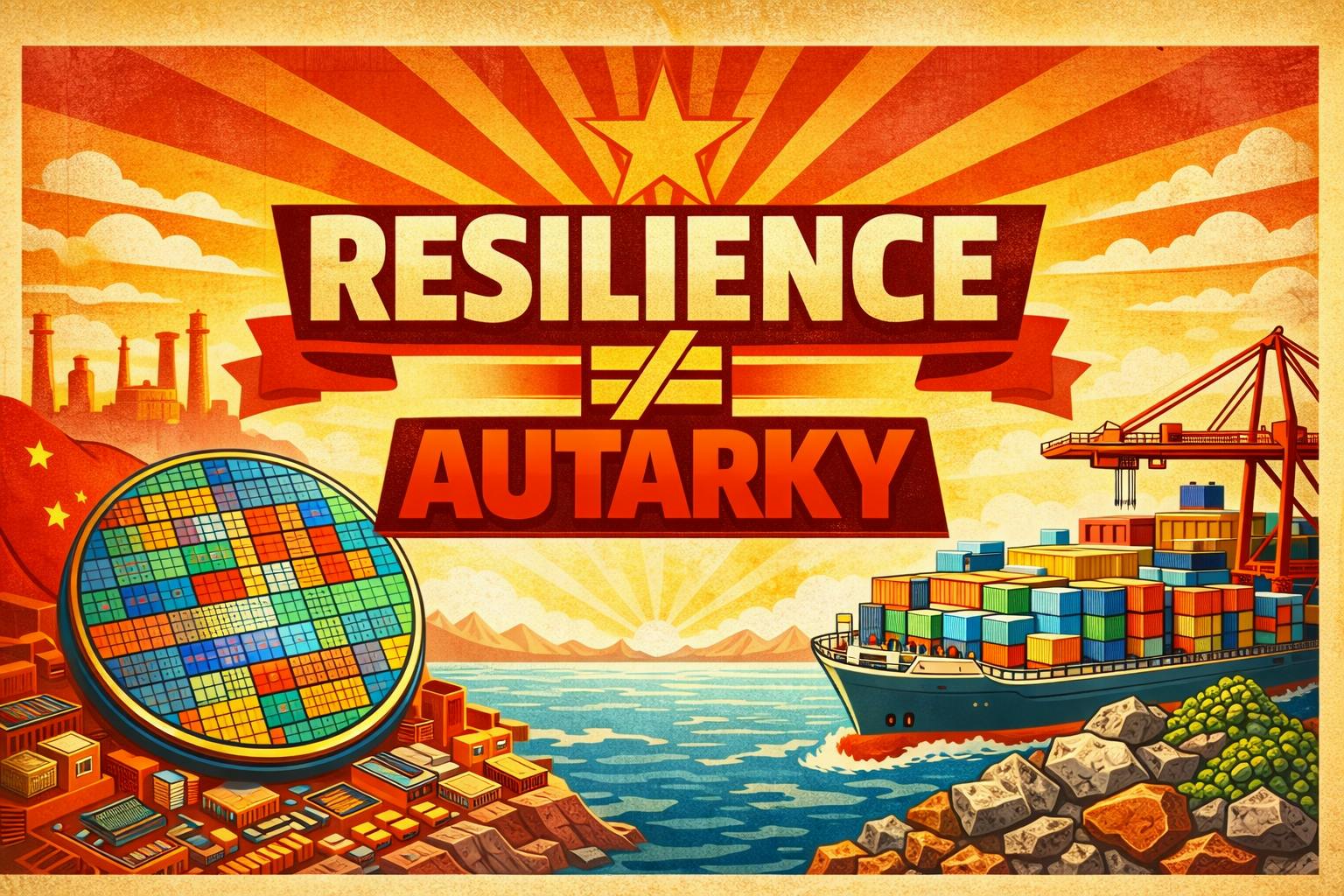
In economic warfare, controlling an intermediate good like a microcontroller is more powerful than controlling a finished product like a car. Because intermediate goods are inputs to many different supply chains, disrupting their flow causes far broader and more cascading damage to an adversary's economy, creating greater geopolitical leverage.
The specific targeting choices in the initial Iran strikes—leadership, navy warships, and military infrastructure—suggest the primary goal is economic control, specifically securing the Strait of Hormuz. Had the true objective been nuclear deterrence, the focus would have been on destroying nuclear facilities, which was not the case.

Trump's negotiation strategy, particularly with Iran, involves a massive, visible military presence to create extreme pressure. This 'peace through strength' approach aims to force concessions at the negotiating table by making the alternative—imminent, overwhelming force—undeniably clear and credible.

The public threats of a military strike against Iran may be a high-stakes negotiating tactic, consistent with Trump's style of creating chaos before seeking a deal. The goal is likely not war, which would be politically damaging, but to force Iran into economic concessions or a new agreement on US terms.

Iran's strategy isn't a quick military victory but a war of attrition. By accepting a long timeline and inflicting small but consistent damage, it aims to erode US domestic support for the war, especially in an election year, and outlast the current administration.
Iran's attempt to sow regional instability by attacking nine Arab countries backfired. Instead of creating chaos, these militarily insignificant 'pinprick' attacks eliminated neutrality and pushed Gulf states to fully support the US-Israeli mission against Iran, viewing it as a necessary response.