Get your free personalized podcast brief
We scan new podcasts and send you the top 5 insights daily.
Iran's leadership is betting it can withstand economic pressure longer than the US president can tolerate rising gas prices and diplomatic fallout ahead of midterm elections. Having survived past sanctions, Iran believes its autocratic regime has more staying power than an American administration facing voter discontent.
Related Insights
Fears of a US-Iran conflict disrupting oil flows are overstated. Any potential US military action would likely be designed to be 'surgical' to specifically avoid Iran's oil infrastructure, as the administration's priority is preventing economic shocks and energy price hikes ahead of elections.

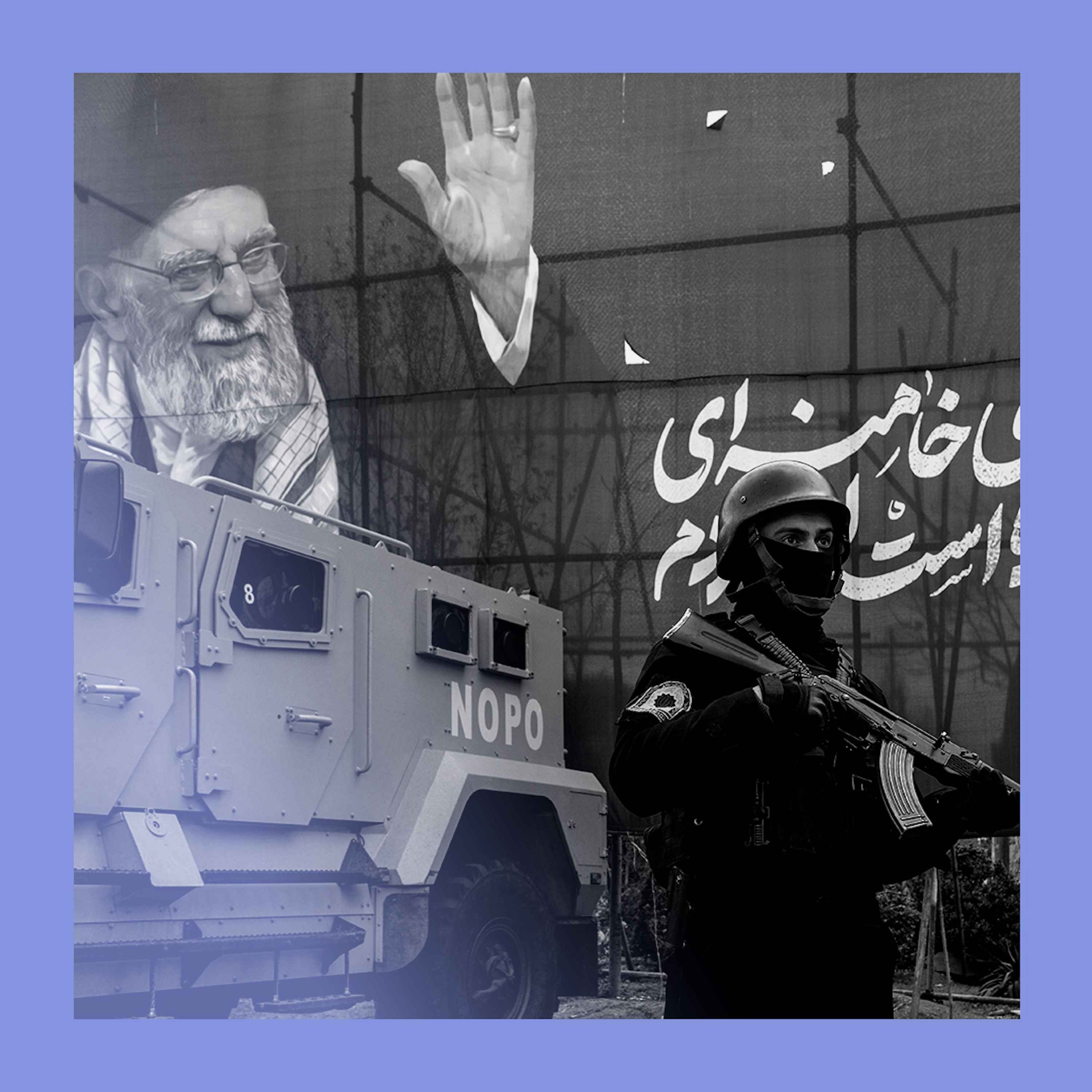
Despite widespread protests, Iran's repressive state apparatus is highly effective and has shown no signs of cracking. The probability of the regime collapsing from internal pressure alone is extremely low. Niall Ferguson argues that only external intervention, a form of 'regime alteration,' can realistically topple the Islamic Republic.

Venezuela's remaining leadership can adopt a strategy of "playing for time." By appearing cooperative while delaying substantive changes, they can wait for events like the US midterms to increase domestic political pressure on the administration, making sustained intervention unpopular and difficult to maintain. The weaker state's best defense is the superpower's internal clock.
Iran's strategy isn't a quick military victory but a war of attrition. By accepting a long timeline and inflicting small but consistent damage, it aims to erode US domestic support for the war, especially in an election year, and outlast the current administration.

While US strikes weaken Iran's military, Trump's simultaneous focus on keeping oil markets stable allows Iran to sell its oil at a premium. This creates a contradictory outcome where Iran's economic leverage and funding for future aggression increase, even as its military is degraded.

Western assumptions of a liberal Iranian populace ready to overthrow the regime are flawed. While dissent is widespread, decades of repression have eliminated any organized political opposition. This, combined with a hardcore 10-20% base of support, makes the regime surprisingly durable.

Contrary to decades of public statements prioritizing low gas prices, President Trump is prolonging the Iran conflict despite oil soaring over $100. The political cost of being perceived as weak and handing Iran a narrative victory outweighs the economic pain for him in this context.
Counterintuitively, Iran's regime feels it has the upper hand in the war because the conflict has driven up oil prices. Even as its military sites are targeted, the country is earning more from oil exports than before the war, feeding its perception of strategic success.
Geopolitical adversaries with long-term leadership, like Iran, view the U.S.'s frequent changes in administration as a temporary inconvenience rather than a fundamental policy shift. They see the U.S. as an "obnoxious guy on the bus" whom they can simply ignore and outlast by staying their course.

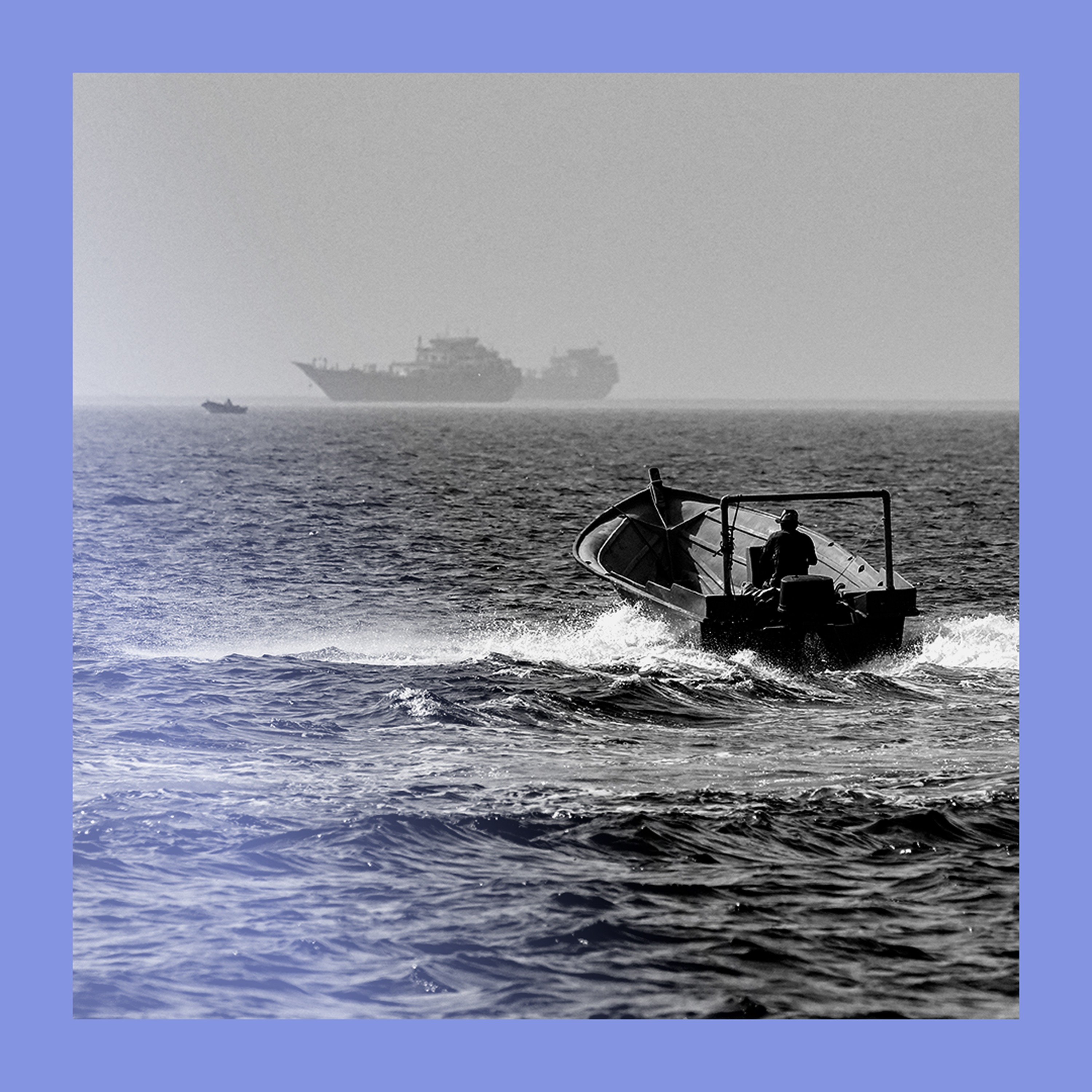
Despite significant military losses, Iran is successfully leveraging its control over the Strait of Hormuz. This asymmetric strategy chokes global energy markets, creating economic pain that Western nations may be less willing to endure than Iran, potentially snatching a strategic victory from a tactical defeat.