Get your free personalized podcast brief
We scan new podcasts and send you the top 5 insights daily.
Iran's strategy is not to win a conventional war but to play a waiting game, believing it can withstand damage until the U.S. loses its political will to continue the conflict, especially with an unpopular president facing midterms. This turns the situation into a potential "forever war" where the exit strategy is the main challenge.

Related Insights
Iran perceives the conflict not as a regional dispute but as a direct threat to its existence. Its strategy is to make the war so costly for adversaries that it secures long-term guarantees against future attacks, framing its actions through a lens of survival.

Despite being the weaker military party, Iran's ability to inflict persistent pain on regional shipping and U.S. allies gives it leverage. To secure a ceasefire, the U.S. may have to offer incentives like sanctions relief, allowing Iran to turn military weakness into diplomatic strength.

Unable to achieve a decisive military victory, the US and Iran are locked in a "game of uncle." The US aims to inflict maximum damage on Iran's infrastructure, while Iran targets the global economy to create international pressure on the US to cease hostilities.

Despite facing conventionally superior US and Israeli forces that can degrade its missile and nuclear capabilities, Iran leverages low-cost asymmetric tactics like drone strikes. This strategy allows it to inflict continuous damage and prolong the conflict without needing to match its adversaries' military might.
The dangerous stalemate between the US and Iran continues because each side believes it has greater endurance. Tehran thinks it can hold out for months while the US economy suffers, while Washington believes Iran is on the brink of collapse. This mutual overconfidence prevents urgent, good-faith negotiations.
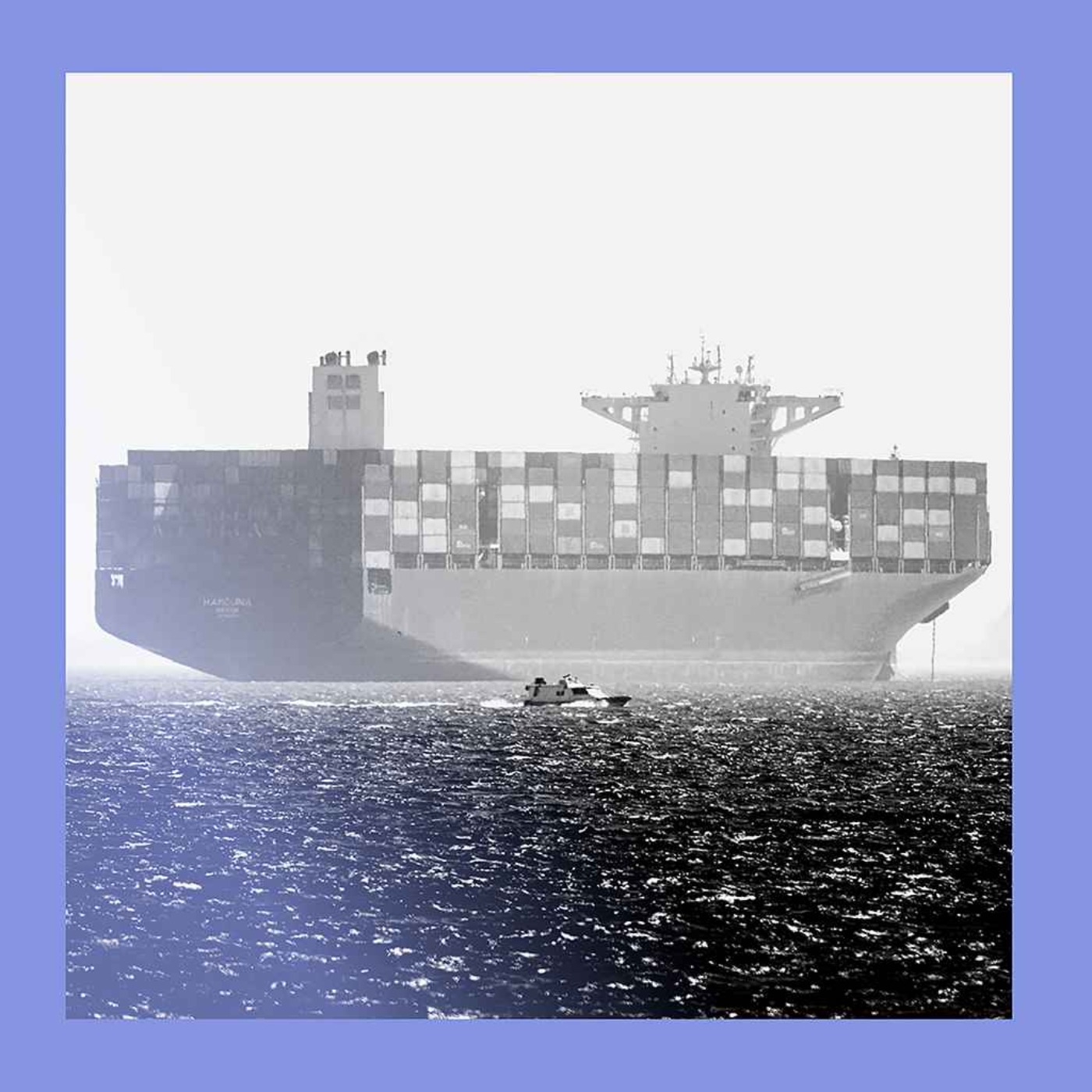
Iran's strategy isn't a quick military victory but a war of attrition. By accepting a long timeline and inflicting small but consistent damage, it aims to erode US domestic support for the war, especially in an election year, and outlast the current administration.
The President is in a strategic corner over Iran. He cannot politically withdraw while the Strait of Hormuz is closed, as it would be seen as a major defeat. Yet, every day the conflict continues, Iran claims a symbolic victory merely by surviving, making the situation a losing proposition for the U.S. regardless of the outcome.

Iran's leadership is betting it can withstand economic pressure longer than the US president can tolerate rising gas prices and diplomatic fallout ahead of midterm elections. Having survived past sanctions, Iran believes its autocratic regime has more staying power than an American administration facing voter discontent.
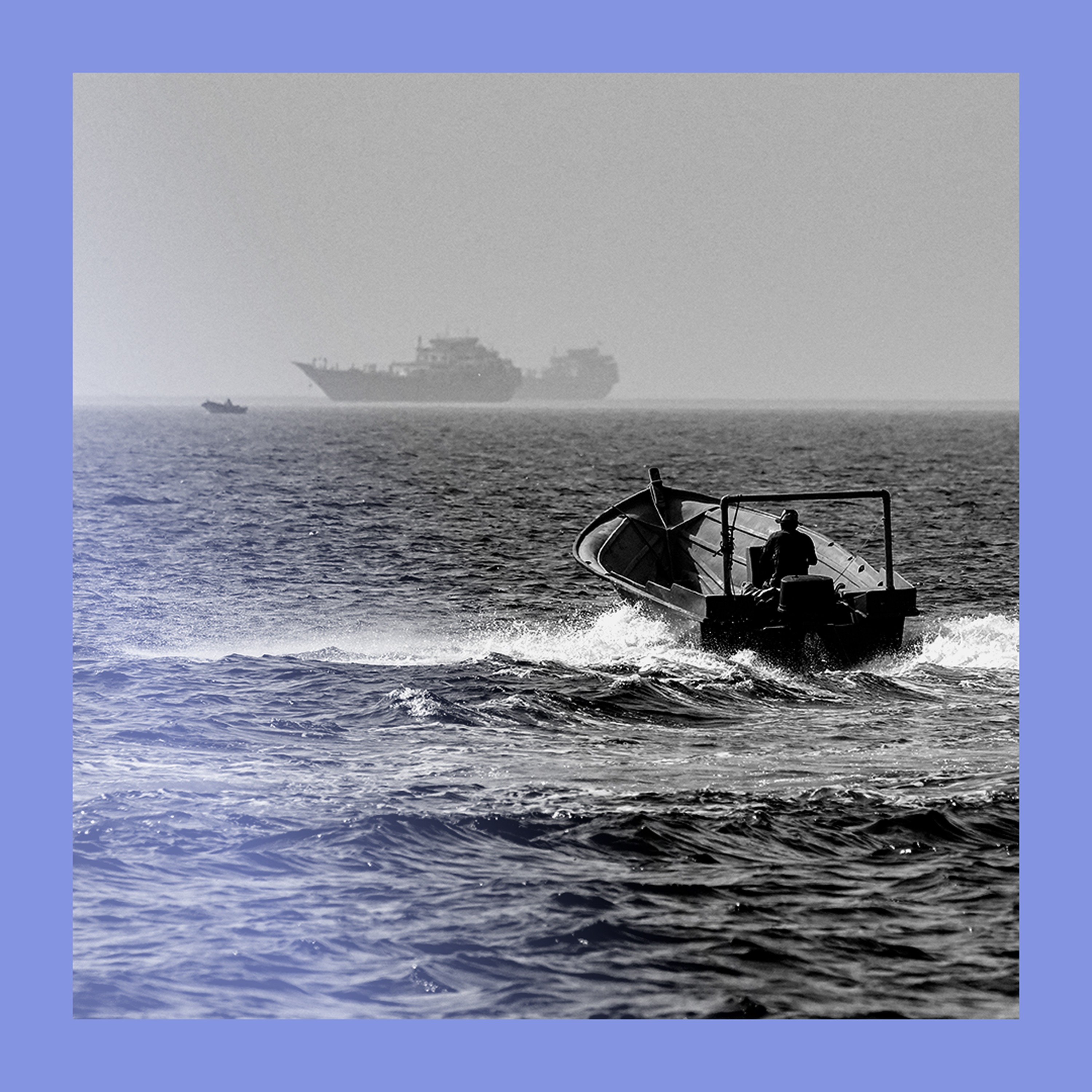
Geopolitical adversaries with long-term leadership, like Iran, view the U.S.'s frequent changes in administration as a temporary inconvenience rather than a fundamental policy shift. They see the U.S. as an "obnoxious guy on the bus" whom they can simply ignore and outlast by staying their course.

Despite significant military losses, Iran is successfully leveraging its control over the Strait of Hormuz. This asymmetric strategy chokes global energy markets, creating economic pain that Western nations may be less willing to endure than Iran, potentially snatching a strategic victory from a tactical defeat.
