Get your free personalized podcast brief
We scan new podcasts and send you the top 5 insights daily.
The U.S. mistakenly assumes Iran will react rationally to military pressure, as the West would. However, Iran's regime has a different calculus, valuing time and being more willing to let its populace suffer, making stalling tactics highly effective against American political and economic pressures.

Related Insights
Iran perceives the conflict not as a regional dispute but as a direct threat to its existence. Its strategy is to make the war so costly for adversaries that it secures long-term guarantees against future attacks, framing its actions through a lens of survival.

Deterrence happens in the mind of the enemy. The US fails to deter Iran by attacking its Arab proxies because Iranian culture views Arabs as expendable. To be effective, deterrence must threaten what the target culture actually values. In Iran's case, this means threatening Persians, not their proxies.

Leaders often assume that applying pressure will force an opponent to the negotiating table. This strategy can fail when the adversary operates under a different logic or, as with Iran's decentralized military, when there is no single authority left to negotiate with, revealing a critical cognitive bias.

The dangerous stalemate between the US and Iran continues because each side believes it has greater endurance. Tehran thinks it can hold out for months while the US economy suffers, while Washington believes Iran is on the brink of collapse. This mutual overconfidence prevents urgent, good-faith negotiations.
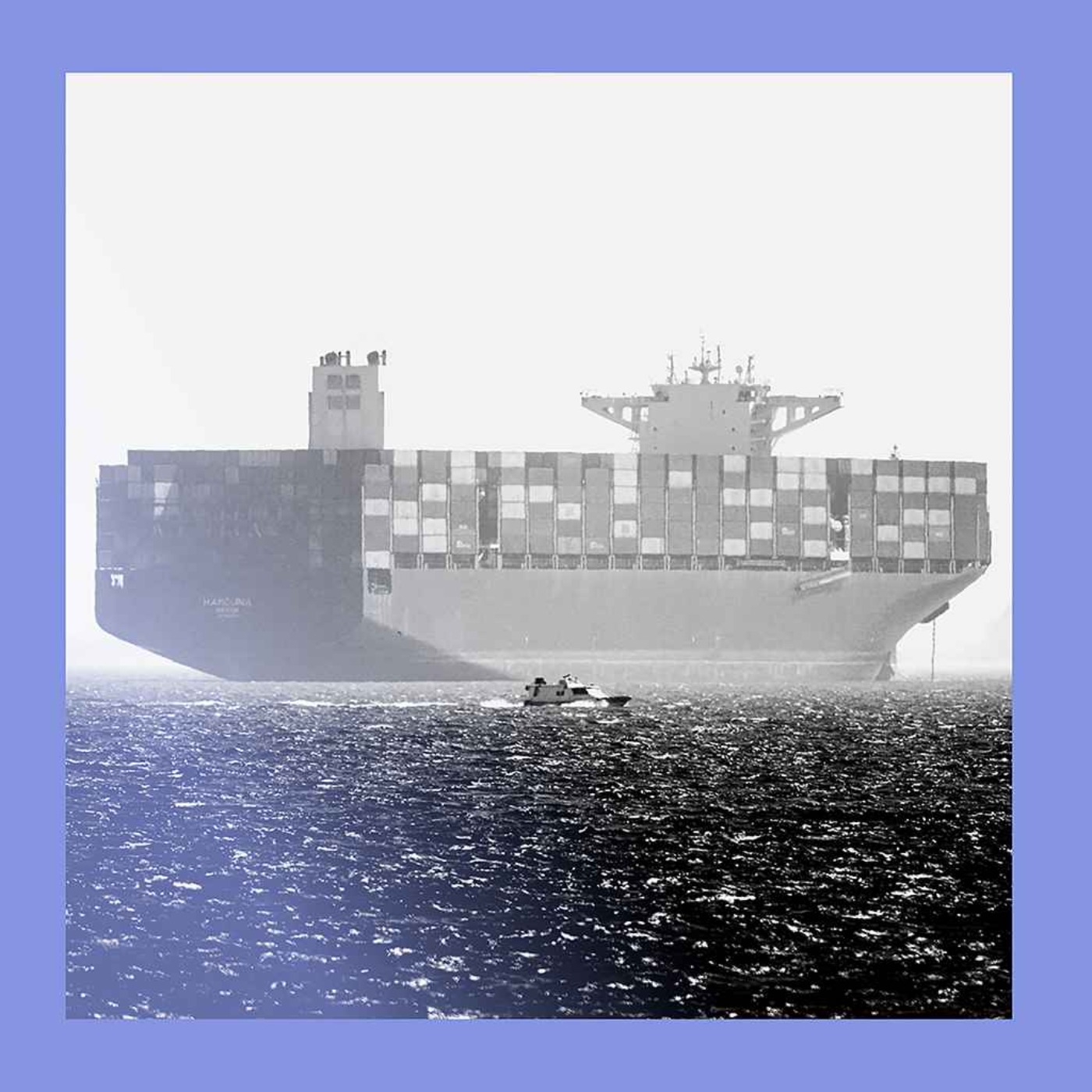
Iran's strategy is not to win a conventional war but to play a waiting game, believing it can withstand damage until the U.S. loses its political will to continue the conflict, especially with an unpopular president facing midterms. This turns the situation into a potential "forever war" where the exit strategy is the main challenge.

Iran's strategy isn't a quick military victory but a war of attrition. By accepting a long timeline and inflicting small but consistent damage, it aims to erode US domestic support for the war, especially in an election year, and outlast the current administration.

Iran's leadership is betting it can withstand economic pressure longer than the US president can tolerate rising gas prices and diplomatic fallout ahead of midterm elections. Having survived past sanctions, Iran believes its autocratic regime has more staying power than an American administration facing voter discontent.
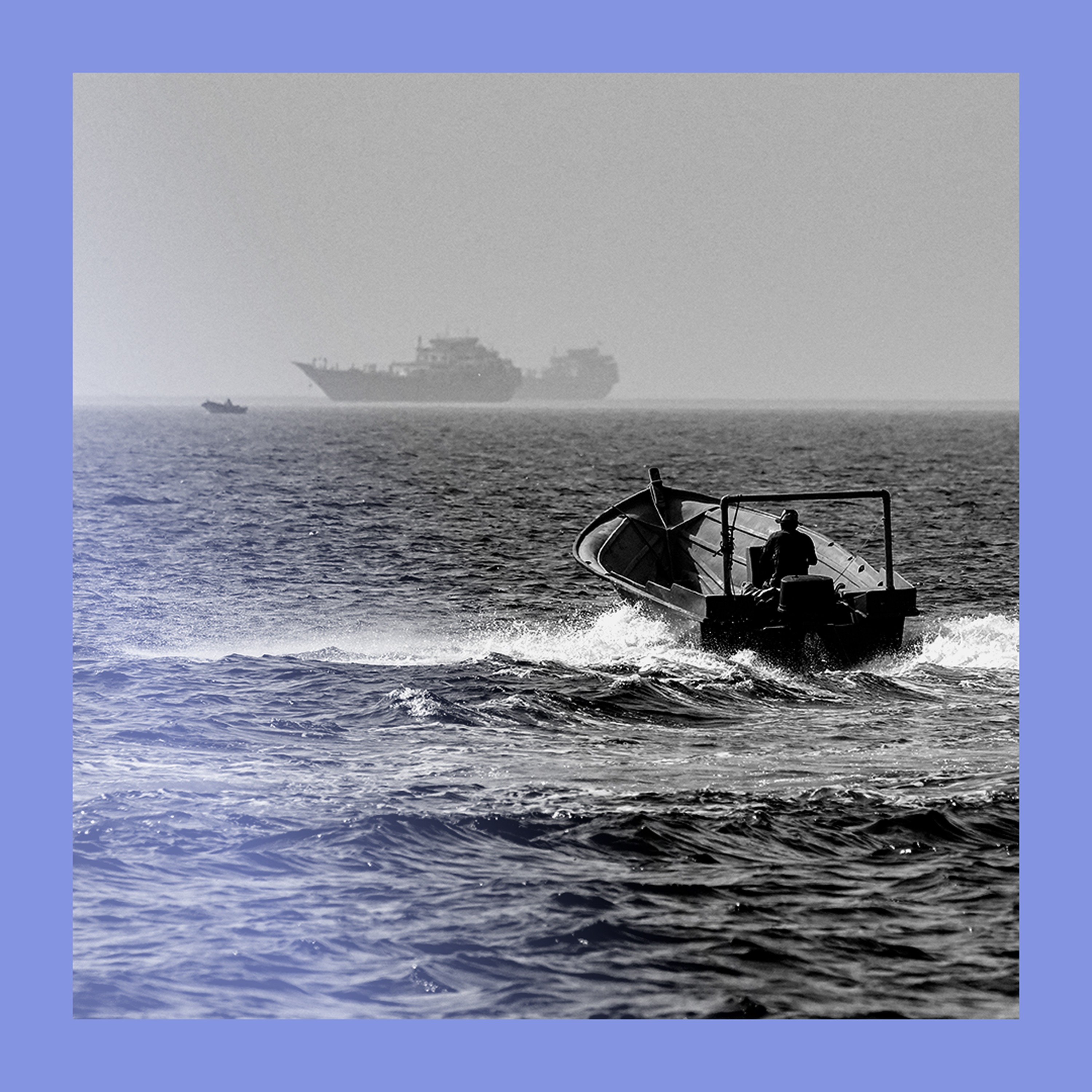
The US presumed a 'decapitation strike' would cause the Iranian regime to collapse from internal mismanagement and popular unrest. This proved false, as the regime's institutionalization and resilience were severely underestimated, leading to a protracted conflict for Washington.
The war on Iran was a "war of choice" based on a flawed assumption of imminent regime collapse. Burns argues the Iranian regime is designed to withstand decapitation and predictably reacted by regionalizing the conflict to inflict economic and political pain on its adversaries.
The Iranian regime is expected to withstand current economic pressures by trying to 'wait out' the crisis. The belief is that the negative impact of the resulting energy shock on the global economy will eventually weaken international resolve before their own economy buckles.
