Get your free personalized podcast brief
We scan new podcasts and send you the top 5 insights daily.
The US executes high-stakes foreign operations while maintaining plausible deniability by deploying elite units like Navy SEALs to train and equip local special forces. This model, used in Mexico against the CJNG cartel, allows partner nations to conduct raids with US intelligence and expertise.

Related Insights
A former NSC official, despite decades of experience, was "blown away" by the U.S. special forces operation to capture Maduro. He had previously concluded such a raid in a dense, hostile urban environment was too risky, underscoring the exceptional capabilities of U.S. forces.

The removal of Maduro was a technological showcase, employing cyber tools to knock out power and air defenses, communications jamming, and suicide drones. This demonstrates a significant evolution in U.S. military capabilities beyond conventional special operations.

The raid on Maduro is presented as an opportunity for special forces units to demonstrate their value to an administration wary of large, troop-intensive occupations. This "surgical strike" model offers a politically palatable alternative to the costly nation-building efforts of the 2000s in Iraq and Afghanistan.
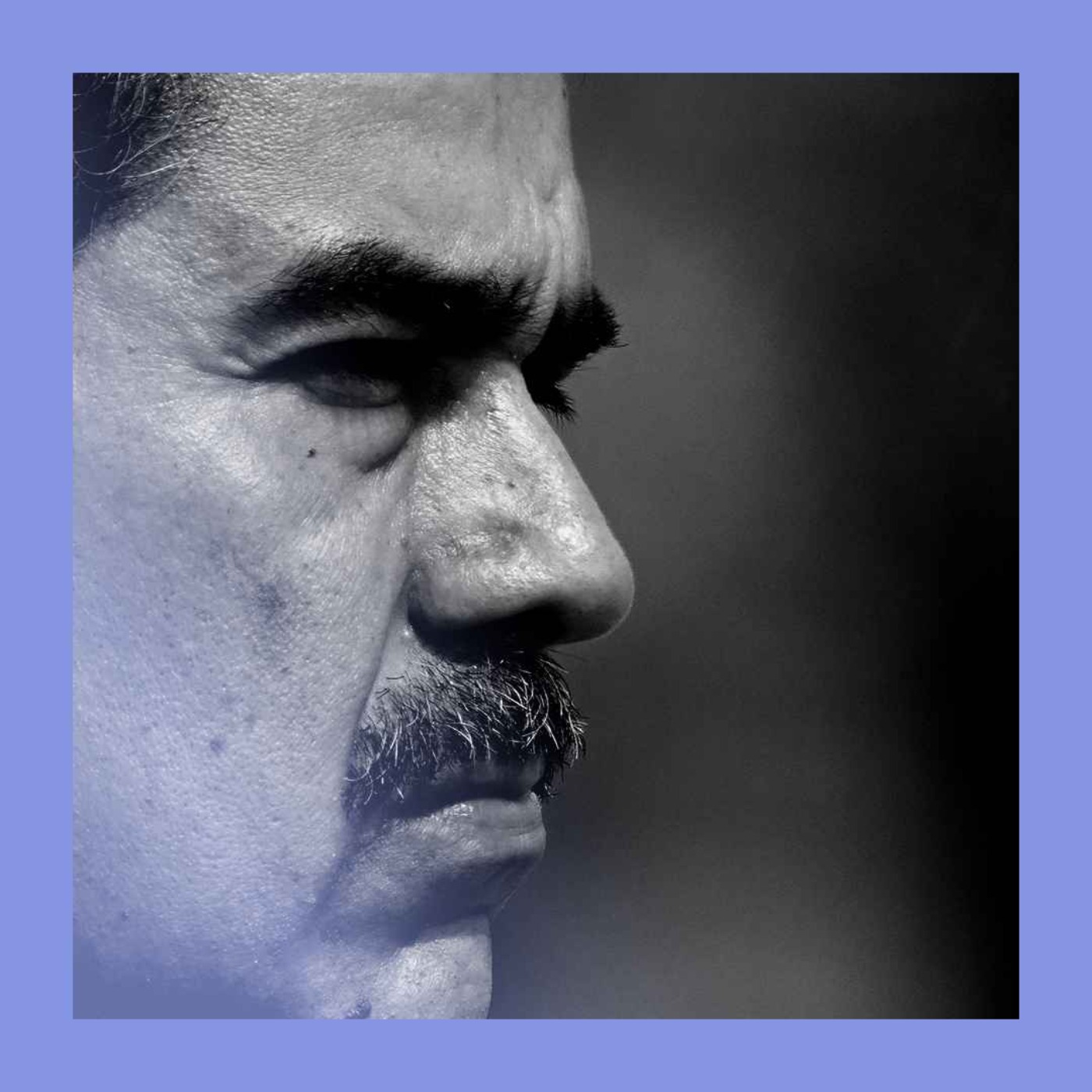
The US has established a precedent of using military force to apprehend fugitives abroad based on domestic legal actions, as seen with Noriega in 1989 and Maduro now. This practice blurs the line between law enforcement and an act of war, creating a thin legal justification for military intervention without traditional congressional or international approval.
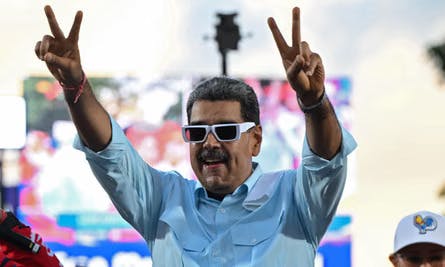
Non-governmental organizations, originally for relief and charity, were co-opted by intelligence agencies for statecraft. Their philanthropic cover provides deniability for covert operations like running supplies, money, and guns, making them effective fronts for what the speaker terms 'the dirtiest deeds.'

Unlike past administrations that used pretexts like 'democracy,' the Trump administration openly states its transactional goals, such as seizing oil. This 'criming in plain sight' approach is merely an overt version of historical covert US actions in regions like Latin America.

The US military's effectiveness stems from a deep-seated culture of candor and continuous improvement. Through rigorous training centers, it relentlessly integrates lessons to avoid repeating mistakes in combat, a mechanism adversaries often lack, forcing them to learn "as they lose lives."

The US is moving from a global deterrence posture to concentrating massive force for specific operations, as seen with Iran. This strategy denudes other theaters of critical assets, creating windows of opportunity for adversaries like China while allies are left exposed.

Intelligence agencies' biggest concern is "blowback"—the severe diplomatic, economic, and intelligence-sharing penalties from allies if a covert operation is exposed. The risk of alienating a critical ally, such as the U.S., far outweighs any potential gain from an operation like a political assassination on their soil.
Executing complex military operations publicly reveals sensitive tactics, techniques, and procedures (TTPs). Adversaries like Russia and China study these events to deconstruct US capabilities, from mission sequencing to electronic warfare. This exposure of the 'revolver's shots' depletes the element of surprise for future, more critical conflicts.