Get your free personalized podcast brief
We scan new podcasts and send you the top 5 insights daily.
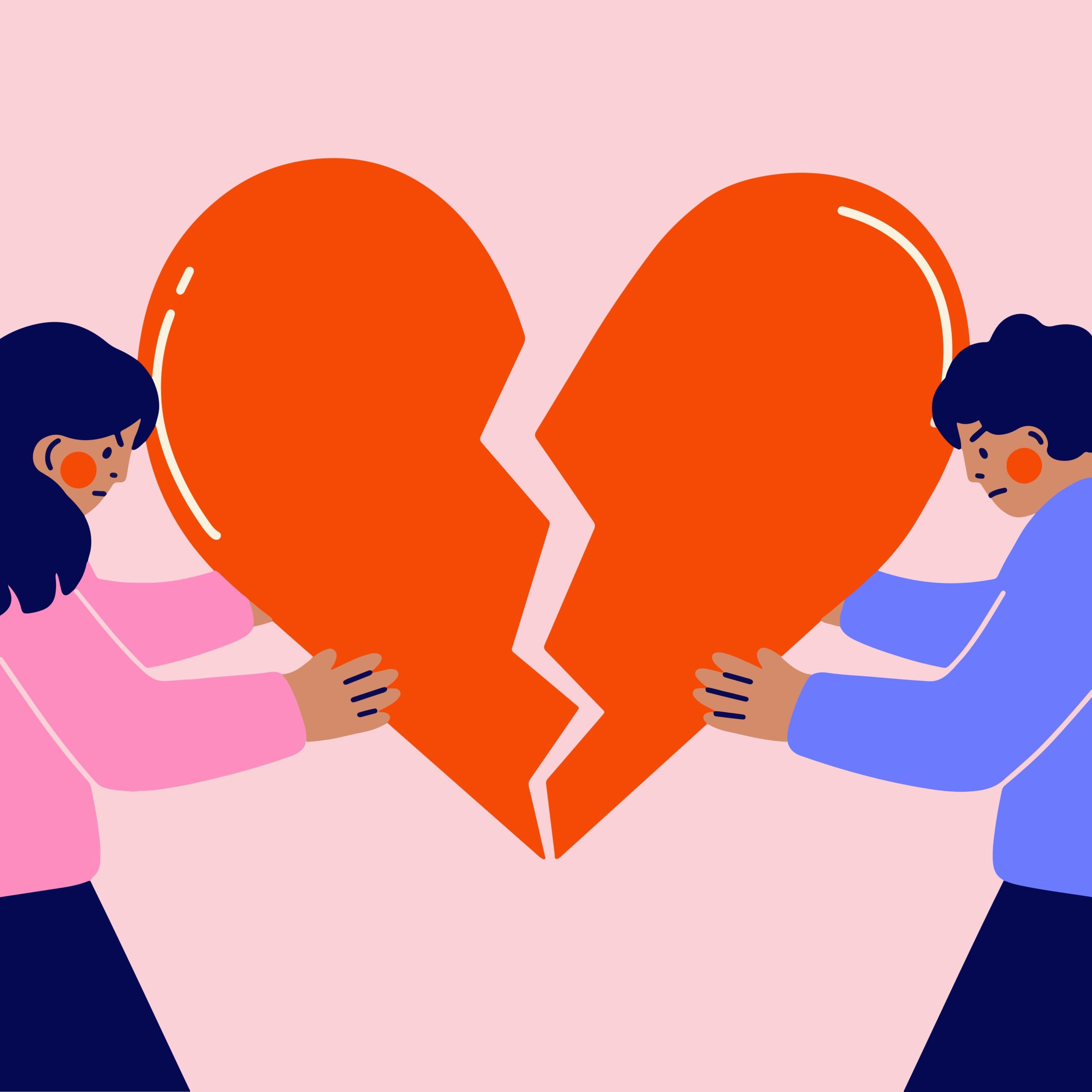
Research by The Gottman Institute identified four behaviors that strongly predict breakups: criticism, defensiveness, stonewalling, and contempt. Of these "Four Horsemen," contempt—the feeling that a person is worthless or beneath consideration—is the most powerful and destructive predictor of a relationship's demise, acting like "sulfuric acid."

Related Insights
People spot small relationship issues but avoid addressing them because the immediate conversation is uncomfortable. This cognitive bias, where aversion to short-term pain outweighs the desire for long-term health, is the single biggest reason relationships fail.

Catastrophic relationship failures are rarely caused by a single event. Instead, they are the result of hundreds of small moments where a minor conflict could have been repaired with validation or an apology, but wasn't. The accumulation of these unrepaired moments erodes the relationship's foundation over time.

During a shared trauma, couples often fail to communicate, leading to resentment. The solution isn't to pretend everything is okay, but to have the courage to state the problem bluntly (e.g., "This is a disaster... I don't like you right now"). This directness breaks the stalemate and forces open communication.

According to researcher John Gottman, successful couples don't always resolve every fight. Many long-term partners acknowledge that some disagreements are perpetual and learn to live with them, accepting them as a feature of the relationship rather than a fatal flaw.

In a study, individuals with low self-esteem who believed their partners were listing their faults reacted defensively by devaluing their partners. This creates a downward spiral where perceived criticism leads to pre-emptive emotional attacks.

A common myth is that good relationships lack conflict. The reality is that the strength of a relationship is determined by its ability to manage and grow from conflict. The key metric is whether each argument makes the bond stronger (healing to 101%) or weaker (healing to 99%).
The success of a long-term relationship is better predicted by how partners handle conflict and disagreement than by how much they enjoy good times together. People are more likely to break up due to poor conflict resolution than a lack of peak experiences.

When someone withdraws after you show love, it often reflects their own self-esteem, not you. They don't see themselves as lovable, so their internal question becomes, "What is wrong with you that you like me?"
The most common reason high-achievers face divorce is their partner feeling deprioritized. This "slippage" isn't a single event but a series of small, unintentional disconnections that accumulate over time, much like individual raindrops causing a flood.
Couples in conflict often appear to be poor communicators. However, studies show these same individuals communicate effectively with strangers. The issue isn't a skill deficit, but a toxic emotional environment within the relationship that inhibits their willingness to collaborate.