Get your free personalized podcast brief
We scan new podcasts and send you the top 5 insights daily.
In a study, individuals with low self-esteem who believed their partners were listing their faults reacted defensively by devaluing their partners. This creates a downward spiral where perceived criticism leads to pre-emptive emotional attacks.

Related Insights
One partner's aggressive 'fight' response (porcupine) triggers the other's defensive 'flight' response (turtle). This withdrawal intensifies the porcupine's pursuit, creating a frustrating and exhausting cycle where neither party's needs are met.

We judge ourselves based on our chaotic, unfiltered internal monologue while judging others by their curated external presentation. This massive data imbalance fosters the false belief that we are uniquely strange or broken, damaging our self-esteem.

The mind is a masterful manipulator that often won't lead with criticism. Instead, it pulls you in with praise, telling you how great you are. Once it has your trust and attention, it pivots to systematically listing your flaws, making the negative self-talk feel more credible and devastating.

What appears as outward aggression, blame, or anger is often a defensive mechanism. These "bodyguards" emerge to protect a person's inner vulnerability when they feel hurt. To resolve conflict, one must learn to speak past the bodyguards to the underlying pain.

Negative self-talk is not just a fleeting thought; it's a destructive habit with physical consequences. According to UCLA neuroscience research, repetitive negative thinking actively strengthens the neural pathways for fear and anxiety, making it your brain's default response over time.

Self-esteem isn't just about feeling good; it's the reputation you hold with yourself. This internal reputation is damaged every time your actions contradict the moral code you hold for others, as you are constantly observing your own behavior.
When someone "pushes your buttons," the problem isn't the person pushing, but that you have buttons to be pushed. True emotional resilience comes from dismantling these internal triggers, which are often tied to your sense of worth, rather than trying to protect them from external events.

The impulse to harshly judge yourself before others can is a defense mechanism rooted in past pain. A more powerful, healed stance is to simply become unavailable for external criticism, effectively removing the "button" that others can push.

Defensiveness arises because our brain's self-relevance and value systems are intertwined. Feedback threatening a specific action (e.g., "you're a risky driver") is often interpreted as a threat to our core identity ("I'm a bad person"), triggering a strong protective response.
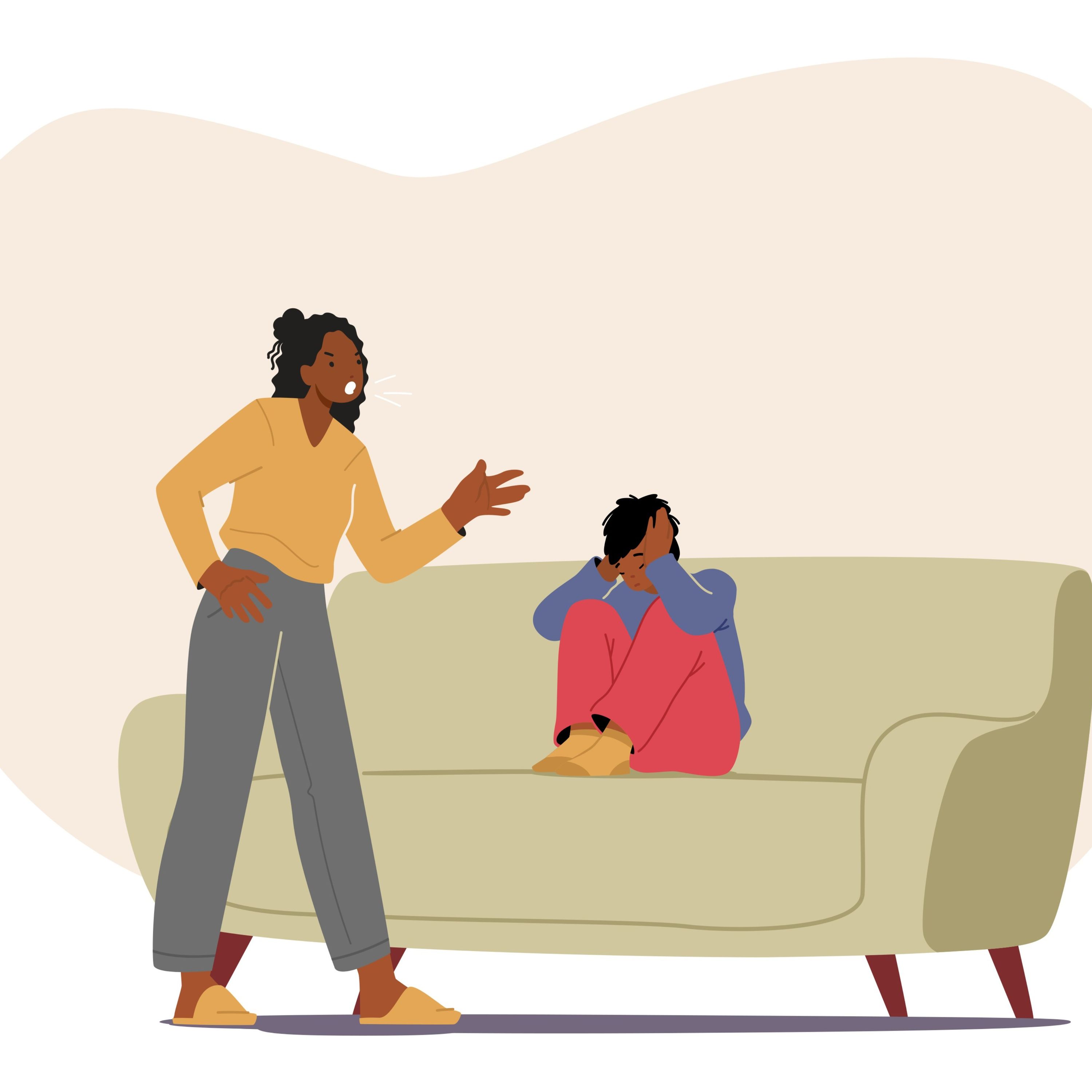
Couples in conflict often appear to be poor communicators. However, studies show these same individuals communicate effectively with strangers. The issue isn't a skill deficit, but a toxic emotional environment within the relationship that inhibits their willingness to collaborate.