Get your free personalized podcast brief
We scan new podcasts and send you the top 5 insights daily.
Future AI agents will move beyond reactive task completion. By integrating and analyzing vast, siloed datasets—like health metrics from a smartwatch, calendar events, and genetic factors—they can proactively identify patterns and offer insights a human would miss, such as connecting health symptoms to specific behaviors.

Related Insights
Pulse isn't just a feature; it's a strategic move. By proactively delivering personalized updates from chats and connected apps, OpenAI is building a deep user knowledge graph. This transforms ChatGPT from a reactive tool into a proactive assistant, laying the groundwork for autonomous agents and targeted ads.
The real breakthrough in healthcare AI is not raw processing power but its ability to synthesize diverse, personal data streams like genomics, environment, and wearables. This 'contextual intelligence' allows for highly personalized insights, such as connecting a fever to recent travel to a malaria-prone region.
The next evolution in personalized medicine will be interoperability between personal and clinical AIs. A patient's AI, rich with daily context, will interface with their doctor's AI, trained on clinical data, to create a shared understanding before the human consultation begins.
Current healthcare is a 'sick care' system that reacts to problems after they arise. AI health agents, by continuously integrating data from wearables, environment, and even smart appliances, can identify baseline health and prompt proactive behaviors to optimize wellness and prevent disease from occurring.
The primary interface for AI is shifting from a prompt box to a proactive system. Future applications will observe user behavior, anticipate needs, and suggest actions for approval, mirroring the initiative of a high-agency employee rather than waiting for commands.

The value of a personal AI coach isn't just tracking workouts, but aggregating and interpreting disparate data types—from medical imaging and lab results to wearable data and nutrition plans—that human experts often struggle to connect.
The most powerful applications for personal AI agents go beyond simple task automation. They involve managing and analyzing overwhelming personal data streams, such as tracking health inputs to diagnose issues or filtering the signal from the noise of constant notifications.
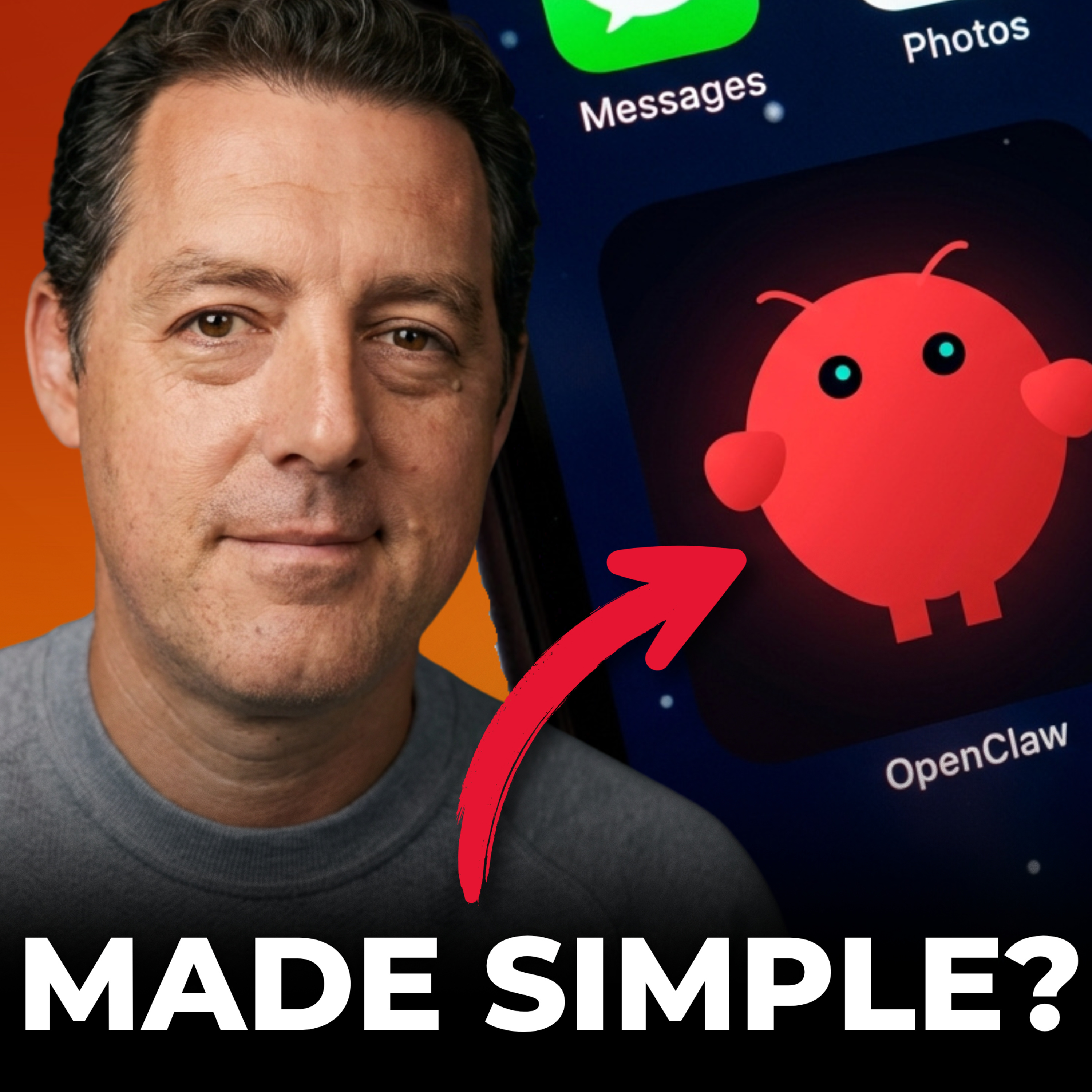
The next major leap for AI is its ability to connect disparate apps and data sources (email, calendar, location) to take autonomous actions. This will move AI from a Q&A tool to a proactive agent that seamlessly manages complex workflows.

Clawdbot can autonomously identify market trends (like X's new article feature), propose new product features, and even write the code for them, acting more like a chief of staff than a simple task-doer.
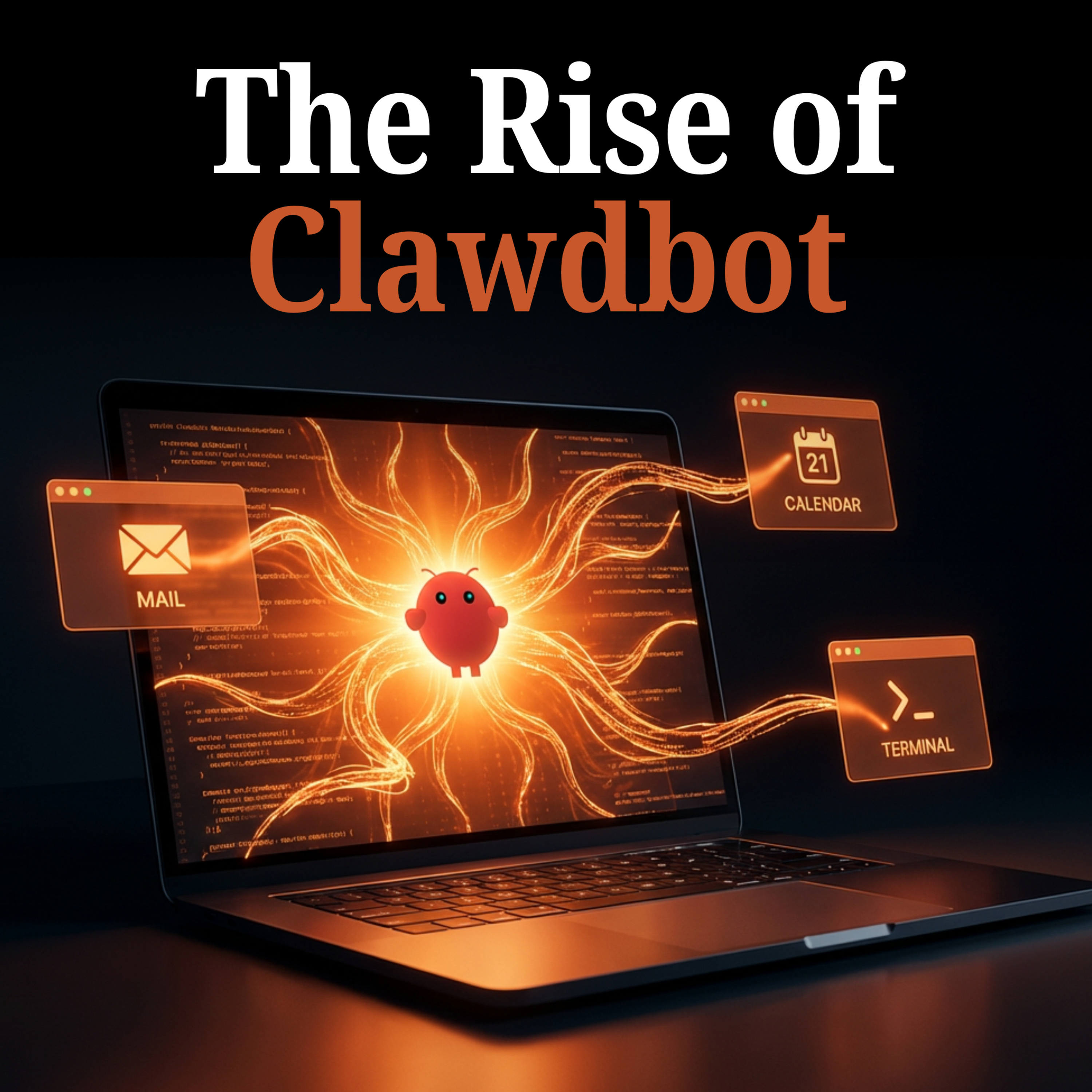
The current chatbot model of asking a question and getting an answer is a transitional phase. The next evolution is proactive AI assistants that understand your environment and goals, anticipating needs and taking action without explicit commands, like reminding you of a task at the opportune moment.
