Get your free personalized podcast brief
We scan new podcasts and send you the top 5 insights daily.
Contrary to widespread fears that European support for Ukraine would wane, resolve has actually stiffened. Europe has stepped up to replace American financial aid and has become an increasingly vital security partner, demonstrating a surprising resilience and commitment to the conflict despite its long duration.
Related Insights
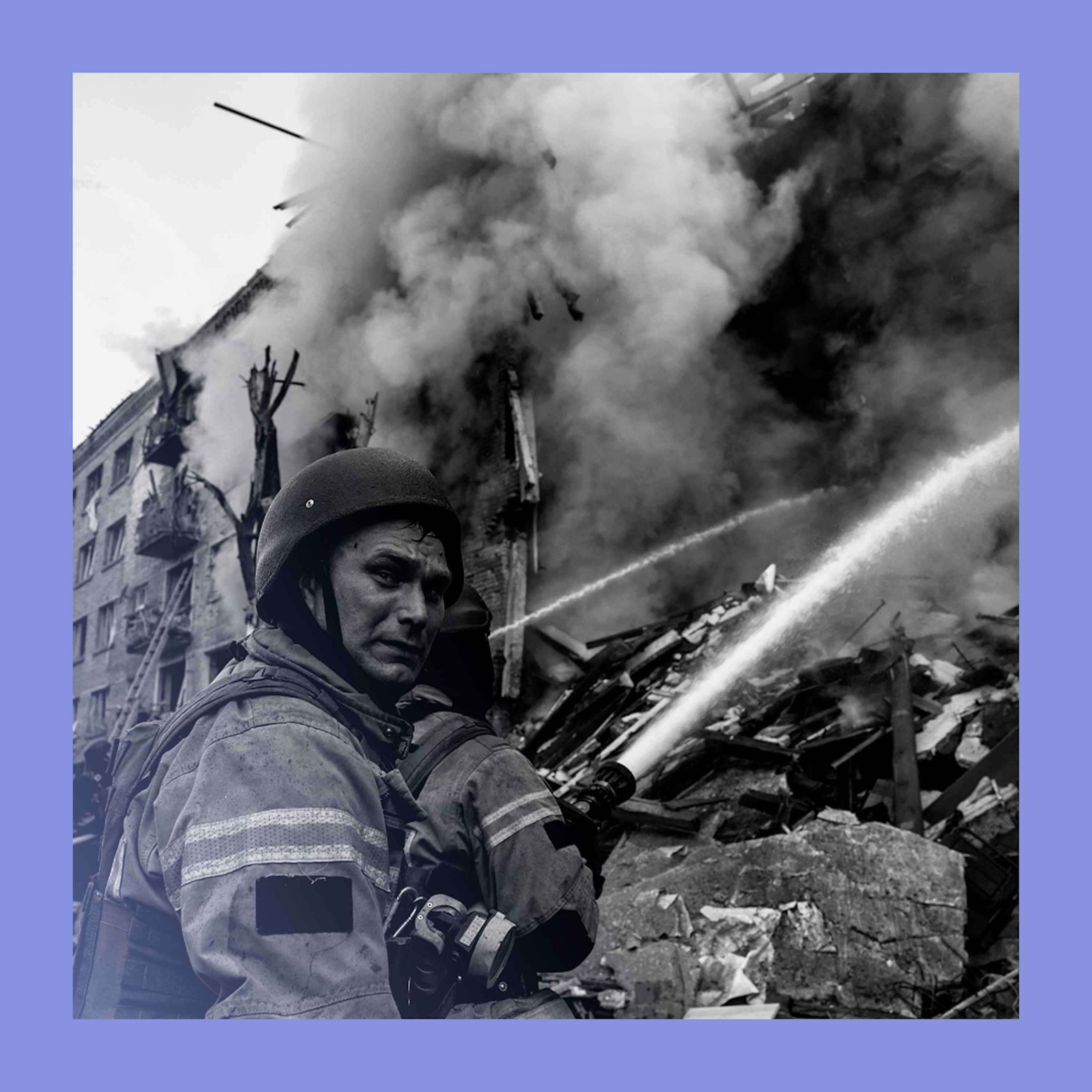
There's a high risk that the EU, facing its own fiscal pressures, will not fulfill its promises of membership and reconstruction aid to Ukraine after the war. This could foster a powerful and destabilizing 'betrayal narrative' within Ukraine, which sees itself as having fought for Europe's security.
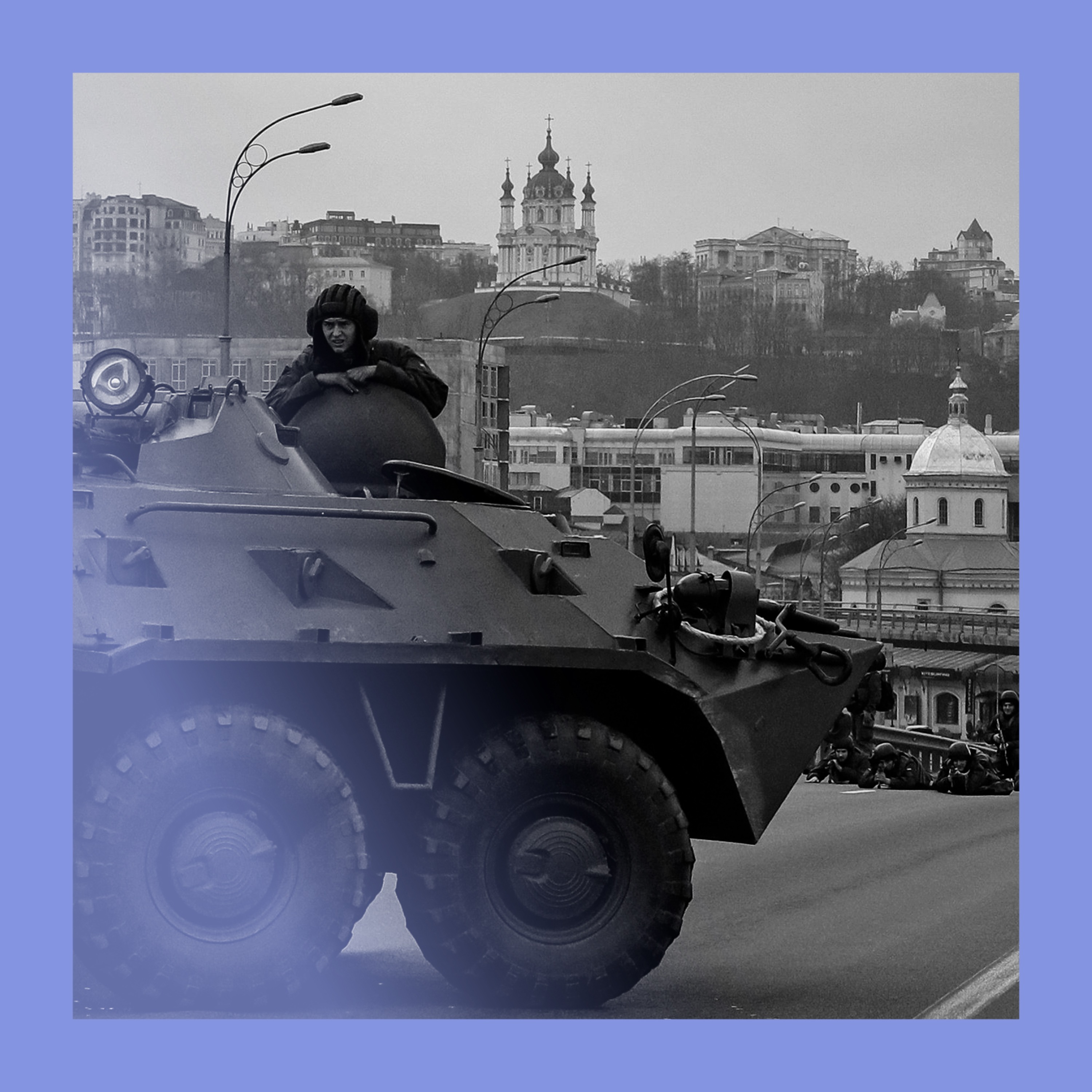
The transatlantic alliance is under severe strain, with European leaders' anger towards the U.S. reaching an unprecedented peak. They are frustrated by shouldering 100% of the financial burden for Ukraine's defense, only to be economically damaged by a U.S.-initiated Iran war they were not consulted on.

The unified fear of Russia is compelling Europe to pivot its economic focus towards industrial and defense manufacturing. This is a significant strategic shift for a region recently more focused on regulation and legacy industries, potentially revitalizing its industrial base.
A key tension exists within Ukraine's leadership regarding long-term strategy. One camp believes a longer war degrades Russia's economy and allows Ukraine's defense industry to integrate with Europe. The opposing view is that a prolonged conflict disproportionately damages Ukraine's own critical infrastructure first.

A swift peace deal in Ukraine might not be the preferred outcome for all its European partners. Some may see a longer conflict as a strategic opportunity to bolster their own military capabilities while Russia is occupied.
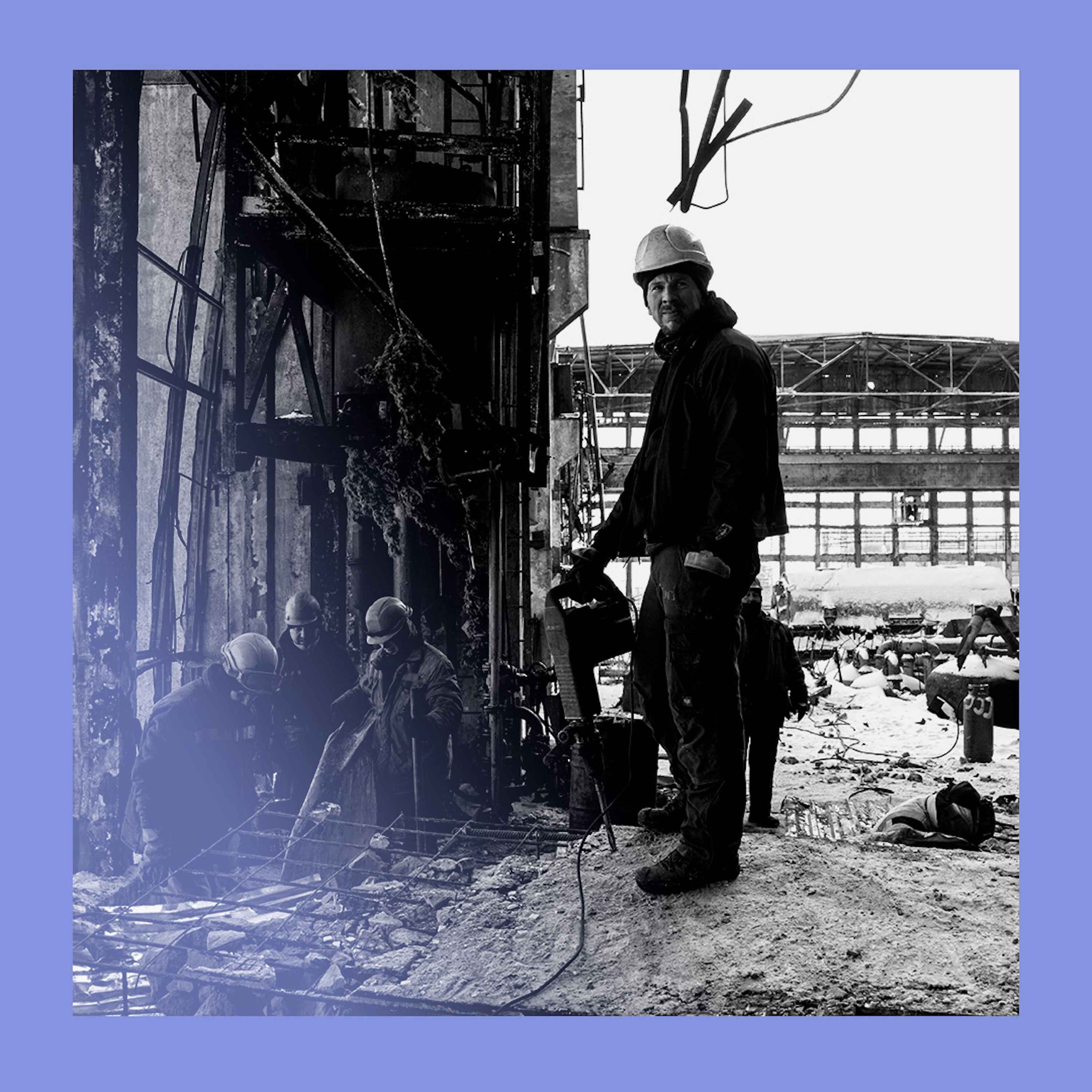
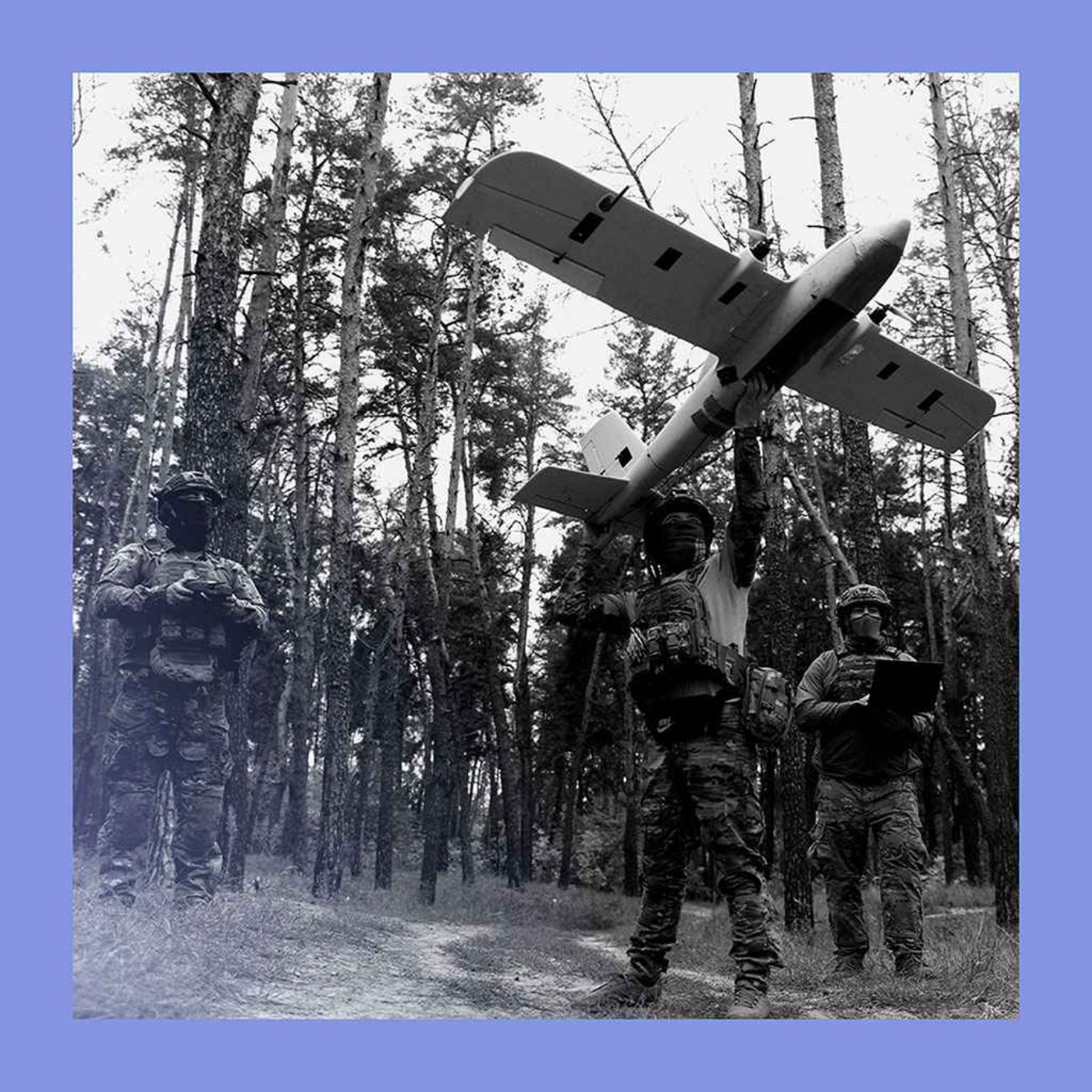
European leaders have shifted from seeing Ukraine as a moral cause to a vital strategic asset. Ukraine's battle-tested army is viewed as Europe's "shield," and its innovations in drone warfare are seen as Europe's future "arsenal," especially amid doubts about US security guarantees.

With the U.S. stepping back from its traditional leadership role, European countries are creating new, direct alliances to ensure their own security. A notable example is the emerging UK-Scandinavia-Baltic-Poland axis, which signals a fundamental shift in the continent's geopolitical architecture away from a singular reliance on Washington.

The invasion has crippled Russia's long-term prospects. It has suffered generational setbacks in economic and demographic development, diminished its global reputation, and triggered a massive military buildup in Europe, worsening its security position.

Ukraine's frustration with the slow EU accession process stems from its belief that it is safeguarding Europe's security with its own soldiers. This self-perception as a security provider, rather than just an aid recipient, fuels impatience with perceived bureaucratic delays and offers of lesser 'associate membership'.
By committing to a multi-year, ~$400 billion funding plan, Europe can turn Ukraine's financial weakness into a strategic advantage. This sustained support would exacerbate Russia's already high financial burden, potentially triggering a banking or inflation crisis and crippling its war machine.