Get your free personalized podcast brief
We scan new podcasts and send you the top 5 insights daily.
Misinterpreting Trump's actions as typical political maneuvering for short-term wins is a mistake. His high-risk, world-altering gambles are driven by the ambition to be a consequential president carved onto Mount Rushmore, not just to win the next election. He is playing for a complete reordering of the world.

Related Insights
Beyond the short-term political calculus of avoiding an unpopular war, President Trump's motivation for a deal with Iran is deeply rooted in legacy-building. He seeks to be the president who fundamentally reshapes the US-Iran relationship, a historic diplomatic achievement that provides a powerful personal incentive for resolution.

Trump's erratic approach isn't random; it's a strategy to create chaos and uncertainty. This keeps adversaries off-balance, allowing him to exploit openings that emerge, much like a disruptive CEO. He is comfortable with instability and uses it as a tool for negotiation and advantage.

Trump's rhetoric about acquiring Greenland "the easy way or the hard way" is not just bluster. It's part of a broader pattern of unilateral action that prioritizes American strategic interests above all else, even at the cost of alienating key allies and potentially fracturing foundational alliances like NATO.

President Trump repeatedly takes actions that foreign policy experts predict will be catastrophic. When these gambles do not result in the worst-case scenario, it reinforces his unconventional approach in the public eye and erodes the credibility of traditional institutions and their warnings.
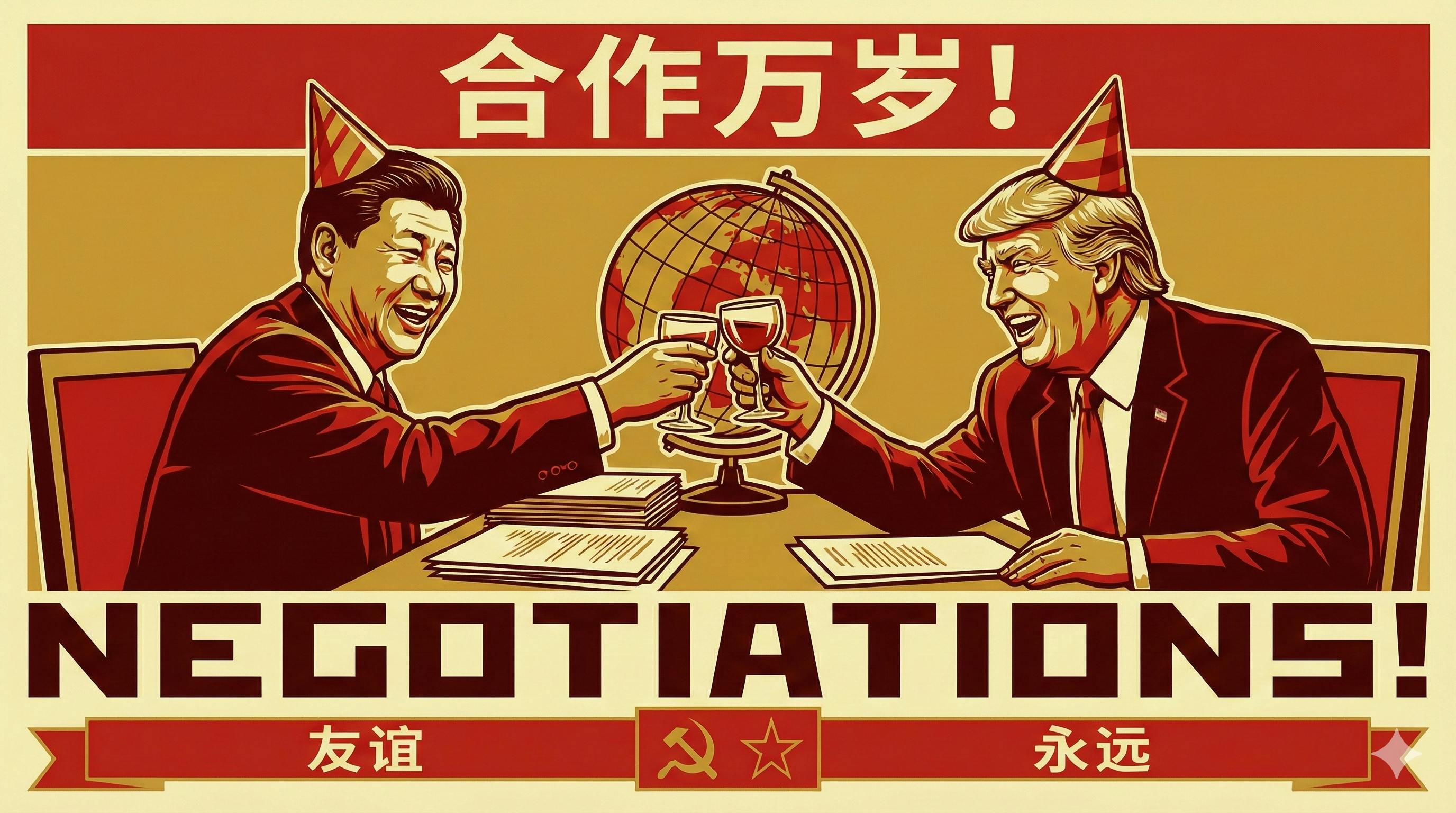
The US's global power is eroding due to debt and inflation. Trump's aggressive foreign policy is not random; it's a high-risk strategy to press America's current advantage and re-establish dominance before rivals like China can take over. The only alternative is accepting a managed decline.

Instead of fearing Trump's unpredictability, foreign leaders can manipulate it. By appealing to his desire for a 'peace through strength' legacy and his need to showcase American power, a country like Mexico could secure significant military and economic aid by framing it as a clear win for him.

Military actions against Iran and Venezuela, neither listed as top threats in official documents, are likely driven by a desire to secure quick "wins" for the Trump brand. This strategy targets irritants rather than genuine security issues to project strength for legacy-building purposes.

Stephen Walt defines Trump's foreign policy as 'predatory hegemony,' a unique strategy where a dominant power uses its leverage to extract concessions and tribute from everyone, including long-standing allies. This departs from traditional great power politics, which is typically predatory only toward rivals.

The attack on Iran is viewed not as a strategic national security move, but as an action motivated by Donald Trump's personal legacy and brand. Decisions are centered on the "Trump" name and persona rather than traditional statecraft or established government policy.

The administration's approach is not simple isolationism. While demanding a dominant sphere of influence in the Western Hemisphere, Trump also maintains the desire for unhindered freedom of action globally, such as mediating conflicts far from US shores. This creates a hybrid policy of 'dominance at home and freedom to roam abroad.'
