Get your free personalized podcast brief
We scan new podcasts and send you the top 5 insights daily.
A single AI agent can run multiple "sub-bots" for different tasks. To optimize performance and cost, assign different underlying models to each. Use a powerful model like Claude Opus for complex tasks, and a cheaper model like Sonnet for routine functions.

Related Insights
Don't use your most powerful and expensive AI model for every task. A crucial skill is model triage: using cheaper models for simple, routine tasks like monitoring and scheduling, while saving premium models for complex reasoning, judgment, and creative work.

An effective cost-saving strategy for agentic workflows is to use a powerful model like Claude Opus to perform a complex task once and generate a detailed 'skill.' This skill can then be reliably executed by a much cheaper and faster model like Sonnet for subsequent use.

Relying solely on premium models like Claude Opus can lead to unsustainable API costs ($1M/year projected). The solution is a hybrid approach: use powerful cloud models for complex tasks and cheaper, locally-hosted open-source models for routine operations.
Sonnet 4.6's true value isn't just being a budget version of Opus. For agentic systems like OpenClaw that perform constant loops of research and execution, its drastically lower cost is the primary feature that makes sustained use financially viable. Cost efficiency has become the main bottleneck for agent adoption, making Sonnet 4.6 a critical enabler for the entire category.
The comparison reveals that different AI models excel at specific tasks. Opus 4.5 is a strong front-end designer, while Codex 5.1 might be better for back-end logic. The optimal workflow involves "model switching"—assigning the right AI to the right part of the development process.

To optimize AI agent costs and avoid usage limits, adopt a “brain vs. muscles” strategy. Use a high-capability model like Claude Opus for strategic thinking and planning. Then, instruct it to delegate execution-heavy tasks, like writing code, to more specialized and cost-effective models like Codex.

To optimize costs, users configure powerful models like Claude Opus as the 'brain' to strategize and delegate execution tasks (e.g. coding) to cheaper, specialized models like ChatGPT's Codec, treating them as muscles.
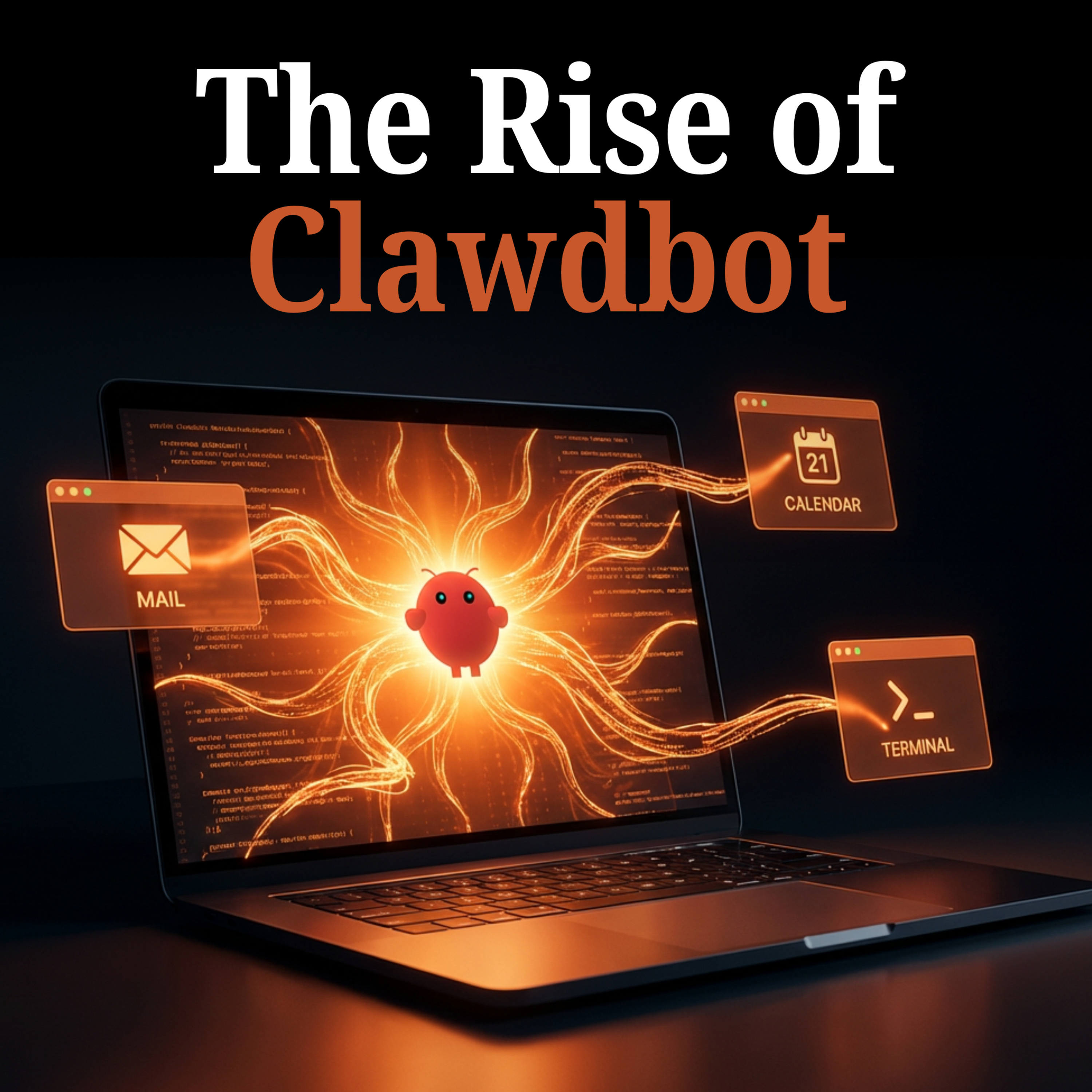
A hybrid approach to AI agent architecture is emerging. Use the most powerful, expensive cloud models like Claude for high-level reasoning and planning (the "CEO"). Then, delegate repetitive, high-volume execution tasks to cheaper, locally-run models (the "line workers").
An emerging rule from enterprise deployments is to use small, fine-tuned models for well-defined, domain-specific tasks where they excel. Large models should be reserved for generic, open-ended applications with unknown query types where their broad knowledge base is necessary. This hybrid approach optimizes performance and cost.

Microsoft's Copilot platform doesn't rely on a single foundation model. It automatically routes user tasks to different models based on what works best for the job—using OpenAI for interactive chat but switching to Claude for long-running, tool-using background tasks.
