Get your free personalized podcast brief
We scan new podcasts and send you the top 5 insights daily.
Don't use your most powerful and expensive AI model for every task. A crucial skill is model triage: using cheaper models for simple, routine tasks like monitoring and scheduling, while saving premium models for complex reasoning, judgment, and creative work.

Related Insights
A common pattern for developers building with generative media is to use two types of models. A cheaper, lower-quality 'workhorse' model is used for high-volume tasks like prototyping. A second, expensive, state-of-the-art 'hero' model is then reserved for the final, high-quality output, optimizing for cost and quality.

The key to creating effective and reliable AI workflows is distinguishing between tasks AI excels at (mechanical, repetitive actions) and those it struggles with (judgment, nuanced decisions). Focus on automating the mechanical parts first to build a valuable and trustworthy product.

High productivity isn't about using AI for everything. It's a disciplined workflow: breaking a task into sub-problems, using an LLM for high-leverage parts like scaffolding and tests, and reserving human focus for the core implementation. This avoids the sunk cost of forcing AI on unsuitable tasks.

PMs often default to the most powerful, expensive models. However, comprehensive evaluations can prove that a significantly cheaper or smaller model can achieve the desired quality for a specific task, drastically reducing operational costs. The evals provide the confidence to make this trade-off.

Relying solely on premium models like Claude Opus can lead to unsustainable API costs ($1M/year projected). The solution is a hybrid approach: use powerful cloud models for complex tasks and cheaper, locally-hosted open-source models for routine operations.
To optimize AI agent costs and avoid usage limits, adopt a “brain vs. muscles” strategy. Use a high-capability model like Claude Opus for strategic thinking and planning. Then, instruct it to delegate execution-heavy tasks, like writing code, to more specialized and cost-effective models like Codex.
To optimize costs, users configure powerful models like Claude Opus as the 'brain' to strategize and delegate execution tasks (e.g. coding) to cheaper, specialized models like ChatGPT's Codec, treating them as muscles.
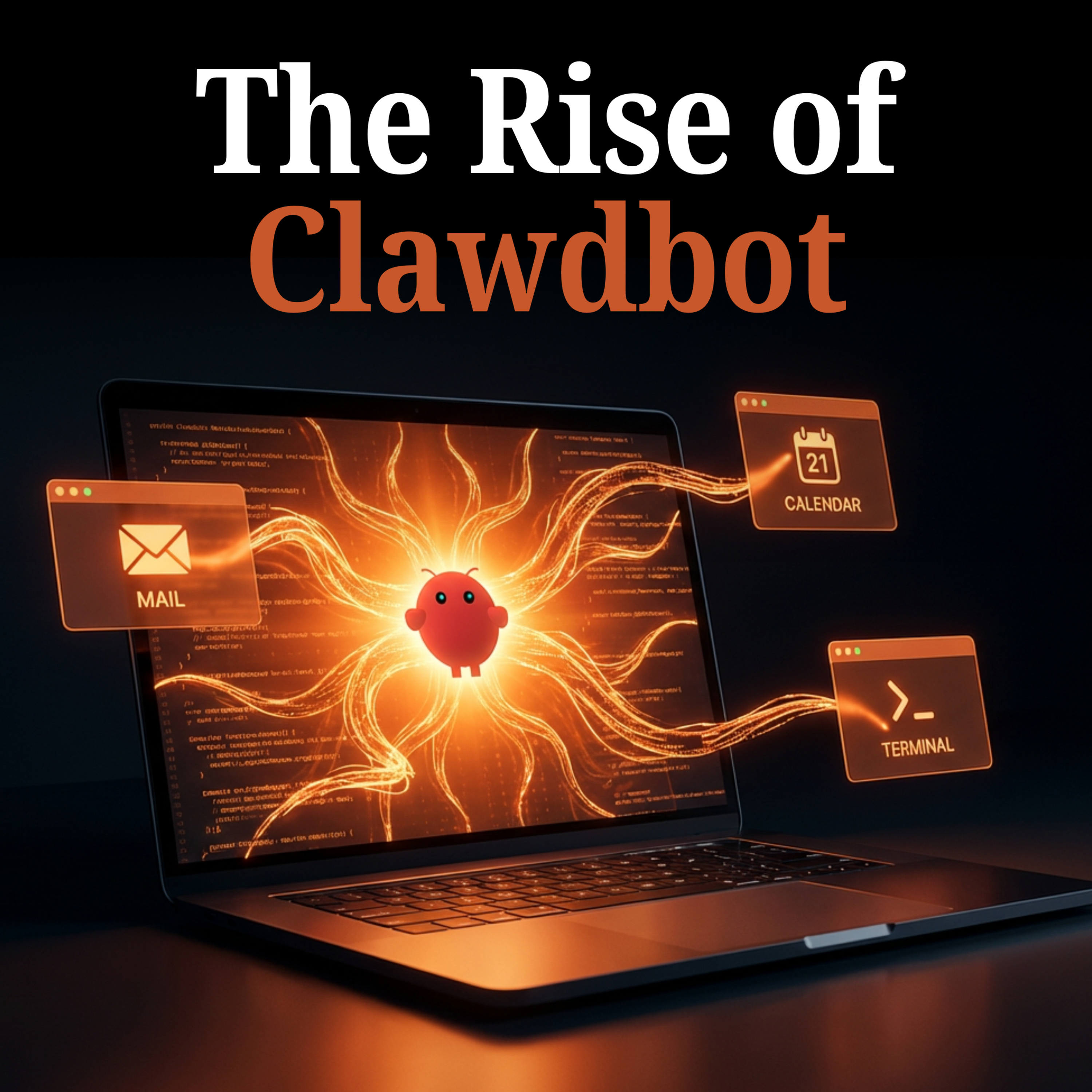
A hybrid approach to AI agent architecture is emerging. Use the most powerful, expensive cloud models like Claude for high-level reasoning and planning (the "CEO"). Then, delegate repetitive, high-volume execution tasks to cheaper, locally-run models (the "line workers").

An emerging rule from enterprise deployments is to use small, fine-tuned models for well-defined, domain-specific tasks where they excel. Large models should be reserved for generic, open-ended applications with unknown query types where their broad knowledge base is necessary. This hybrid approach optimizes performance and cost.

To optimize AI costs in development, use powerful, expensive models for creative and strategic tasks like architecture and research. Once a solid plan is established, delegate the step-by-step code execution to less powerful, more affordable models that excel at following instructions.
