Get your free personalized podcast brief
We scan new podcasts and send you the top 5 insights daily.
An effective cost-saving strategy for agentic workflows is to use a powerful model like Claude Opus to perform a complex task once and generate a detailed 'skill.' This skill can then be reliably executed by a much cheaper and faster model like Sonnet for subsequent use.

Related Insights
Don't use your most powerful and expensive AI model for every task. A crucial skill is model triage: using cheaper models for simple, routine tasks like monitoring and scheduling, while saving premium models for complex reasoning, judgment, and creative work.

It's counterintuitive, but using a more expensive, intelligent model like Opus 4.5 can be cheaper than smaller models. Because the smarter model is more efficient and requires fewer interactions to solve a problem, it ends up using fewer tokens overall, offsetting its higher per-token price.

Sonnet 4.6's true value isn't just being a budget version of Opus. For agentic systems like OpenClaw that perform constant loops of research and execution, its drastically lower cost is the primary feature that makes sustained use financially viable. Cost efficiency has become the main bottleneck for agent adoption, making Sonnet 4.6 a critical enabler for the entire category.
"Skills" in Claude Code are more than saved prompts; they are named functions packaging a prompt, specific execution heuristics, and a defined set of tools (via MCP). This lets users reliably trigger complex, multi-step agentic workflows like deep chart analysis with a single, simple command.

Jerry Murdock predicts agents will use an orchestration layer to triage tasks, selecting the best LLM for each job—like expensive Claude for reasoning and cheap open-source models for simple tasks. This shifts value from the models themselves to the agent's intelligent orchestration capabilities.

To optimize AI agent costs and avoid usage limits, adopt a “brain vs. muscles” strategy. Use a high-capability model like Claude Opus for strategic thinking and planning. Then, instruct it to delegate execution-heavy tasks, like writing code, to more specialized and cost-effective models like Codex.
To optimize costs, users configure powerful models like Claude Opus as the 'brain' to strategize and delegate execution tasks (e.g. coding) to cheaper, specialized models like ChatGPT's Codec, treating them as muscles.
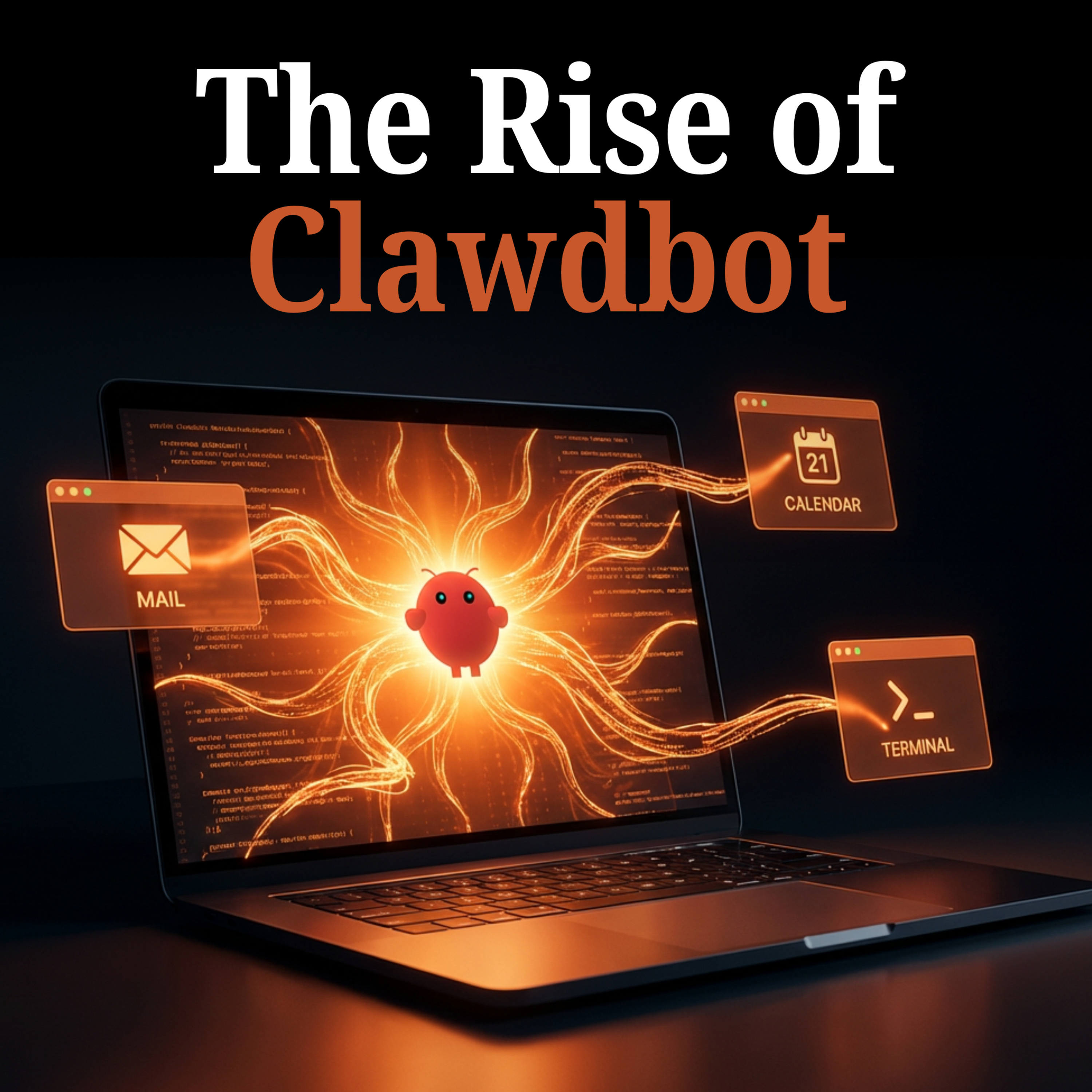
A hybrid approach to AI agent architecture is emerging. Use the most powerful, expensive cloud models like Claude for high-level reasoning and planning (the "CEO"). Then, delegate repetitive, high-volume execution tasks to cheaper, locally-run models (the "line workers").
Reusable instruction files (like skill.md) that teach an AI a specific task are not proprietary to one platform. These "skills" can be created in one system (e.g., Claude) and used in another (e.g., Manus), making them a crucial, portable asset for leveraging AI across different models.

To optimize AI costs in development, use powerful, expensive models for creative and strategic tasks like architecture and research. Once a solid plan is established, delegate the step-by-step code execution to less powerful, more affordable models that excel at following instructions.
