Get your free personalized podcast brief
We scan new podcasts and send you the top 5 insights daily.
The obsessive loop of replaying past events after a tragedy isn't just guilt. It's the brain's mechanical, futile effort to find a reason for an incomprehensible event, much like a computer's spinning wheel on a failed connection.

Related Insights
Your brain becomes what you repeat. By constantly focusing on negative experiences like injustice or personal slights, you strengthen those neural pathways. This makes it easier to feel resentment and anger, creating a self-perpetuating cycle of negativity.

Our minds obsess over incomplete tasks or "open loops," a psychological principle called the Zeigarnik effect. Unpursued career paths create a powerful open loop, causing us to ruminate on "what could have been," which fuels regret.

Psychiatrist Dr. Tara Swart reveals she experienced "thought insertion"—a clinical symptom of schizophrenia—during her grief. She argues that intense grief is akin to psychosis, as it fundamentally changes neurotransmitter levels, creating a state of altered reality that can feel destablizing if not understood through a neuroscientific lens.

The mind wanders 50% of the time not by accident, but as an evolutionary feature. This "spontaneous thought" acts like a replay function, repeatedly firing neural patterns from recent experiences to strengthen their connections and embed them as long-term memories.

According to neuroanatomist Dr. Jill Bolte-Taylor, the brain's left emotional system stores past pain, trauma, and addiction. This isn't a flaw; it's a protective mechanism designed to trigger reactions based on past negative events. Healing involves understanding this system, not erasing it.

The "repetition compulsion" is driven by the brain's limbic (emotional) system, which trumps logic and has no concept of time. It compels individuals to recreate traumatic scenarios in an attempt to achieve a better outcome and "fix" the original wound.

Instead of viewing rumination as a malfunction, understand its functions. It can be an evolutionary mechanism to avoid repeating mistakes, a self-rewarding cognitive loop, or a way for the mind to collapse uncomfortable ambiguity into a negative certainty.
Worrying feels productive, but it's a form of cognitive avoidance. It keeps you looping in abstract "what if" scenarios, which prevents you from confronting the problem concretely. This maintains a chronic, low-level anxiety without resolution.
Psychologists can predict the severity of a person's depressive and anxious symptoms not by the content of their trauma, but by the form of their narrative. Recurring, stuck narratives, or what is called the "same old story," correlate with poorer mental health outcomes.
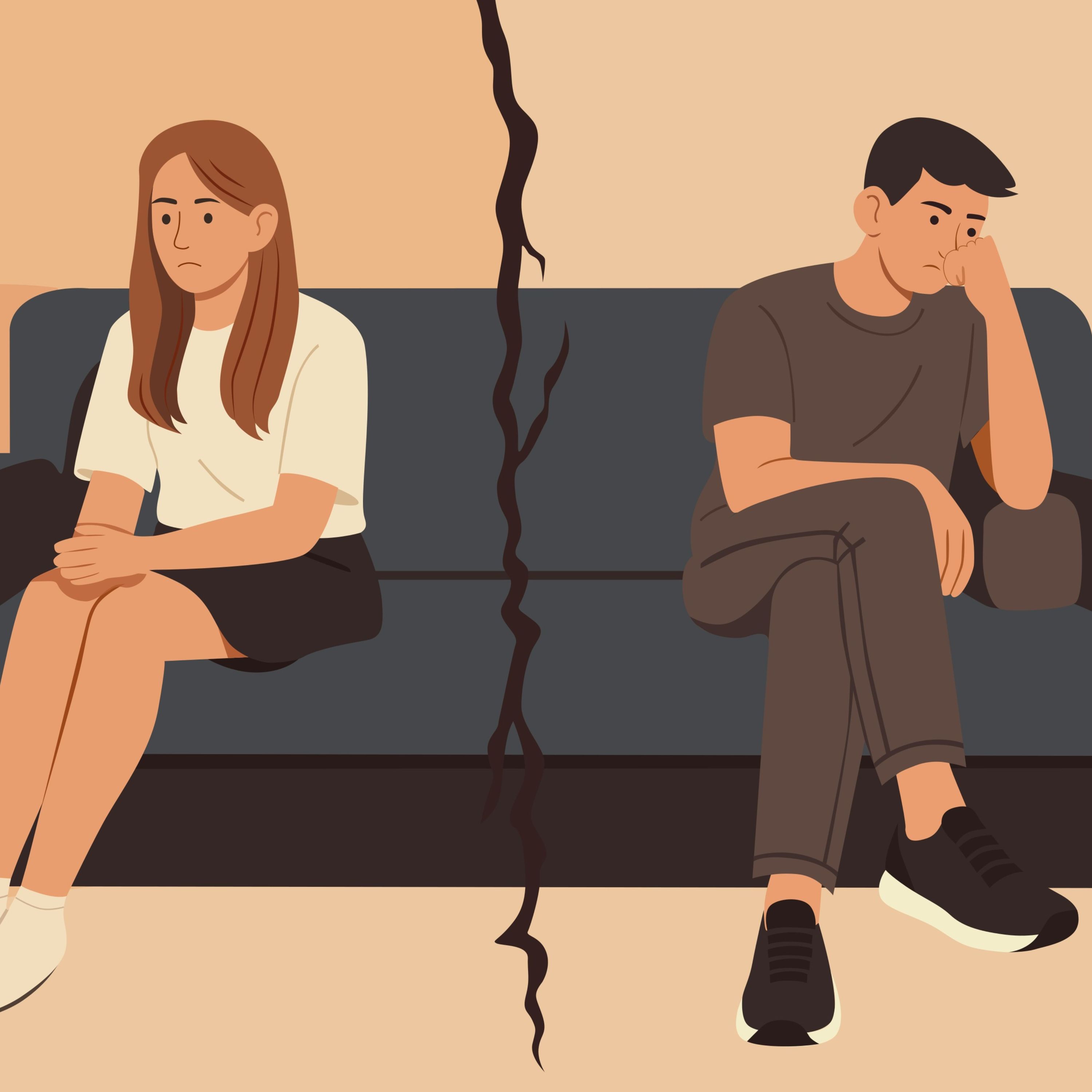
Your logical brain knows the past is over, but your limbic system (emotional center) doesn't understand clocks or calendars. A trigger in the present can instantly connect to a past trauma, making it feel emotionally immediate. This isn't a malfunction; it's a signal that the emotional residue of the event remains unresolved.
