Get your free personalized podcast brief
We scan new podcasts and send you the top 5 insights daily.
Our minds obsess over incomplete tasks or "open loops," a psychological principle called the Zeigarnik effect. Unpursued career paths create a powerful open loop, causing us to ruminate on "what could have been," which fuels regret.

Related Insights
When facing a major career crossroads, the goal isn't to find the objectively "best" option, as it's unknowable. The key is to make a decision based on intuition, commit to it fully, and refuse to entertain "what if" scenarios about the paths not taken.

Psychological research reveals a clear pattern in regret. We immediately regret actions we took that turned out poorly ("sins of commission"). However, over a lifetime, our most profound regrets stem from what we failed to do, such as not expressing our feelings—these "sins of omission" create lingering "what if" scenarios.
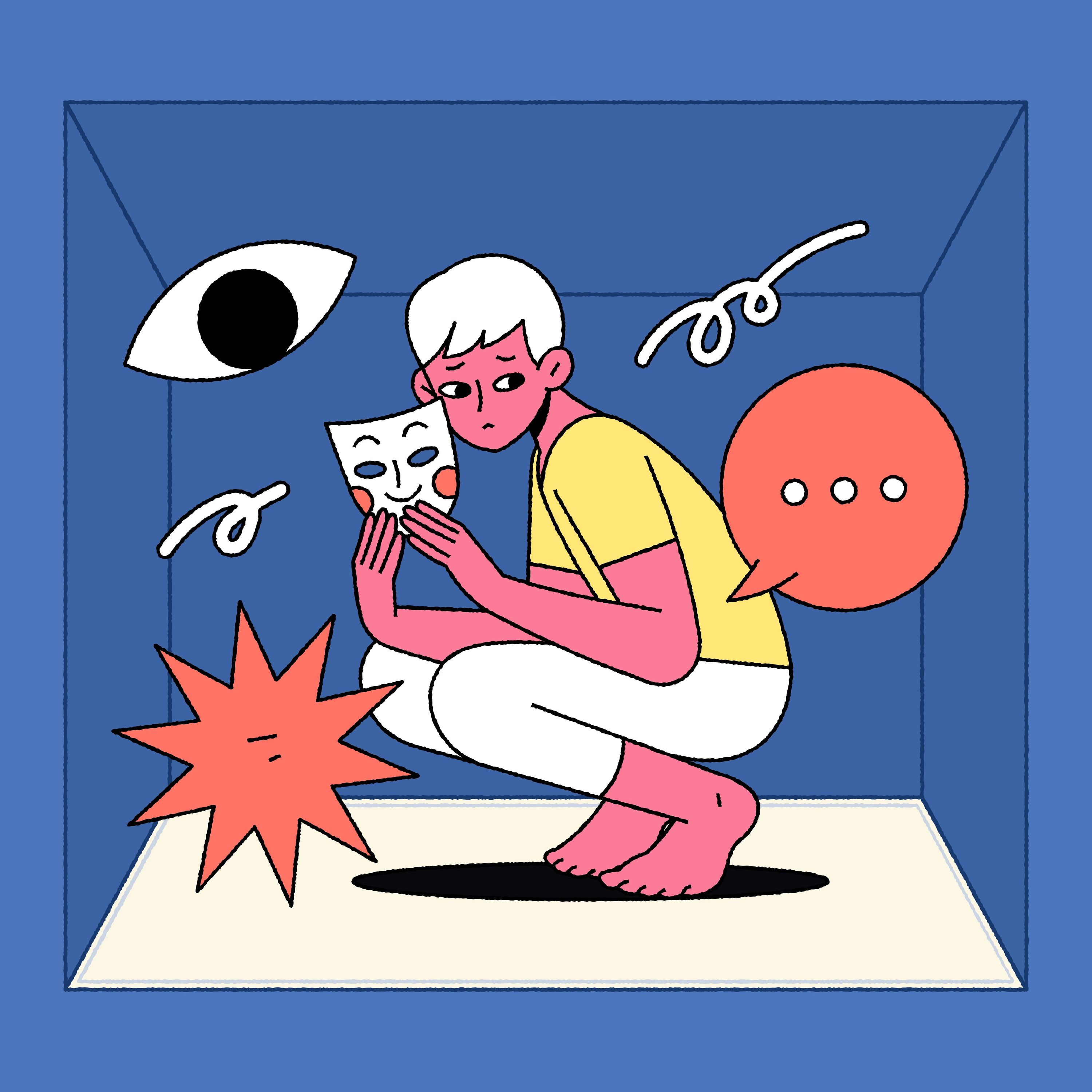
People easily forgive themselves for mistakes but ruminate on things they didn't try. This "boldness regret" is a major source of life dissatisfaction, especially with career choices, highlighting the psychological cost of playing it safe.
While it's easy to regret known bad decisions, like passing on an investment, the far greater mistakes are the unseen ones. The meeting you canceled or the connection you didn't pursue could have been the pivotal moment of your career. This mindset liberates you from the fear of making visible errors and encourages action.
Instead of viewing rumination as a malfunction, understand its functions. It can be an evolutionary mechanism to avoid repeating mistakes, a self-rewarding cognitive loop, or a way for the mind to collapse uncomfortable ambiguity into a negative certainty.
The speaker contrasts the lasting, painful regret of not acting with the temporary sting of potential failure. Living with unanswered questions ('what ifs') is a 'torture chamber,' while rejection provides closure and allows you to move on. This applies to sales, career moves, and networking opportunities.

Surveys reveal that a majority of professionals (60%) would restart their careers differently. Author Daniel Pink attributes this to "boldness regrets," where the pain of not taking a chance (inaction) ultimately haunts people far more than the pain of trying something and failing. This is the root of widespread career dissatisfaction.

A formal study conducted for Bill Gurley's book at Wharton found that 60% of people would choose a different career if they could start again. This highlights a widespread lack of fulfillment and suggests that most people are not on a path aligned with their true interests.

Drawing on research from Daniel Pink's book "The Power of Regrets," the guest notes that people are good at forgiving themselves for mistakes (regret of action). However, the paths they never traveled and doors they never opened (regret of inaction) tend to cause more profound, lasting rumination.
When deciding whether to leave a stable job to start Amazon, Jeff Bezos asked which choice he would regret more at age 80. People are far more haunted by the opportunities they didn't take than the ones they took that failed. This is a powerful mental model for making bold career leaps.
