Get your free personalized podcast brief
We scan new podcasts and send you the top 5 insights daily.
Instead of treating marketing as a cost, create paid, immersive experiences (like the Guinness Storehouse) that invite customers into your brand's world. These 'invitational transformations' can shift a customer's identity (e.g., 'I am a whiskey drinker'), making marketing a profitable brand-building activity.

Related Insights
To truly change a brand's narrative, marketing's 'talking the talk' is insufficient. The product experience itself must embody the desired story. This 'walking the walk' through the product is the most powerful way to shape core brand perception and make the narrative shareable.
Businesses often focus on brand (awareness) and growth (acquisition), but the most profitable engine is customer experience. This includes retention, upselling, cross-selling, referrals, and reviews. Systematizing this third engine builds sustainable momentum and profit.
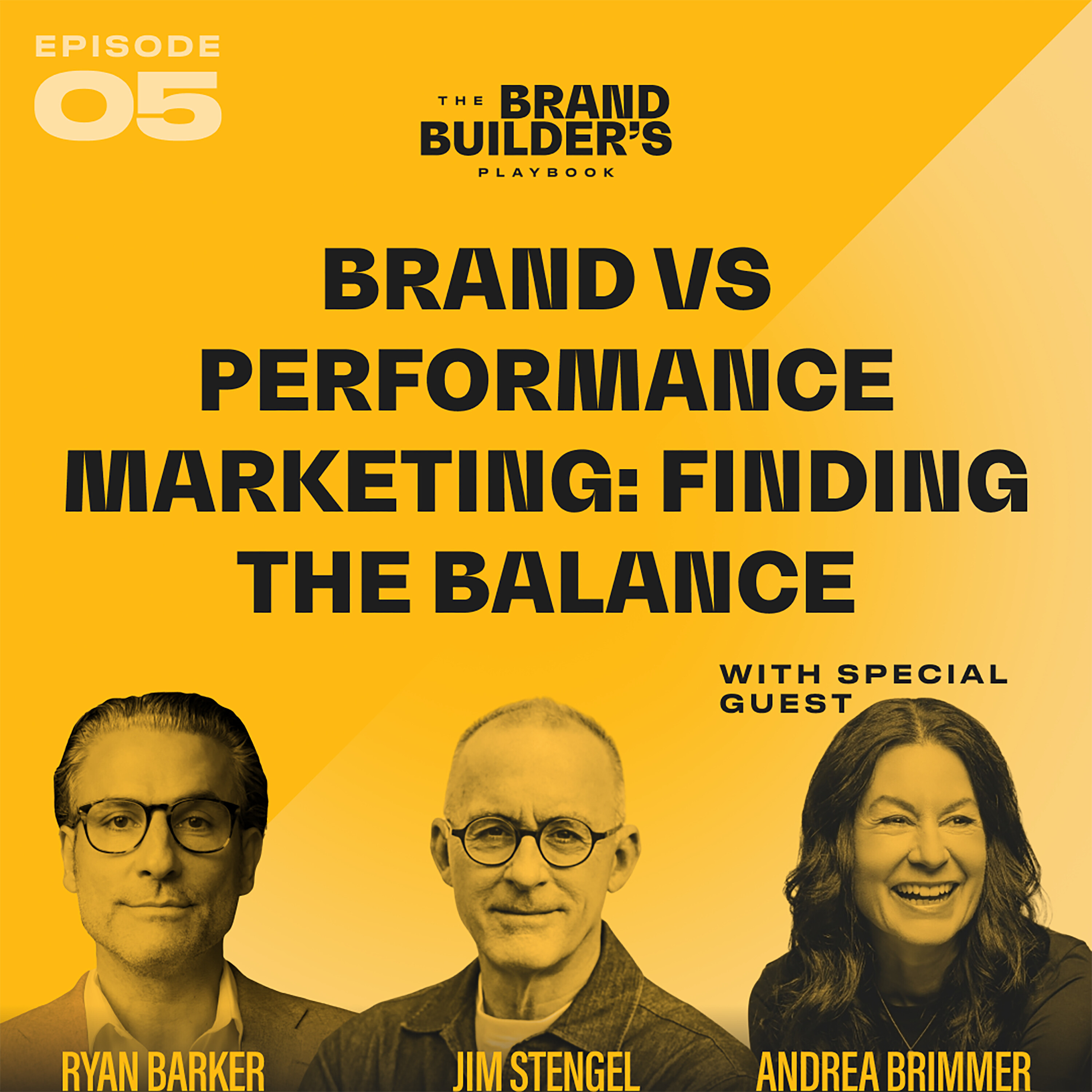
Data shows that adding brand marketing to a performance-driven engine can increase median ROI by 90%. The persistent tension between brand and performance stems from short-termism and the allure of easily measured clicks, creating a false dichotomy between two essential functions.
Transform your customer base into a community by hosting exclusive meetups. This strategy builds a "culture machine" where customers feel like family, fostering loyalty and generating organic referrals without a hard sales pitch.

A great retail experience goes beyond transactions. Successful brands like Lululemon create "retail theater" by hosting local events like yoga classes in their stores. This builds community and brand loyalty, generating higher long-term ROI than focusing purely on daily sales per square foot.

Businesses often fail by selling a generic category instead of specific experiences. A restaurant doesn't just sell "food"; it sells a bar experience, a tasting menu, and private events. By explicitly defining and selling these offerings upfront, businesses can match customers to value and significantly boost revenue.
![Nick Kokonas - Know What You Are Selling - [Invest Like The Best, REPLAY] thumbnail](https://megaphone.imgix.net/podcasts/c7f11b7e-e516-11f0-8700-239aa8e47bb9/image/552faf7d658b75e441e80eef4cf6b0b3.jpg?ixlib=rails-4.3.1&max-w=3000&max-h=3000&fit=crop&auto=format,compress)
The key difference between selling an experience and a transformation lies in its lasting value. An experience provides a memorable moment ('time well spent'), but a transformation provides a durable change that yields future dividends ('time well invested'), clarifying the ultimate outcome a business should sell.
In a crowded market, brand is defined by the product experience, not marketing campaigns. Every interaction must evoke the intended brand feeling (e.g., "lovable"). This transforms brand into a core product responsibility and creates a powerful, defensible moat that activates word-of-mouth and differentiates you from competitors.

Instead of treating client relationships as transactional, create an exclusive 'Velvet Rope' experience. Unexpected, personalized gestures make clients feel curated, not commoditized. This 'surprise and delight' approach generates organic buzz and makes referrals do the heavy lifting for your marketing.

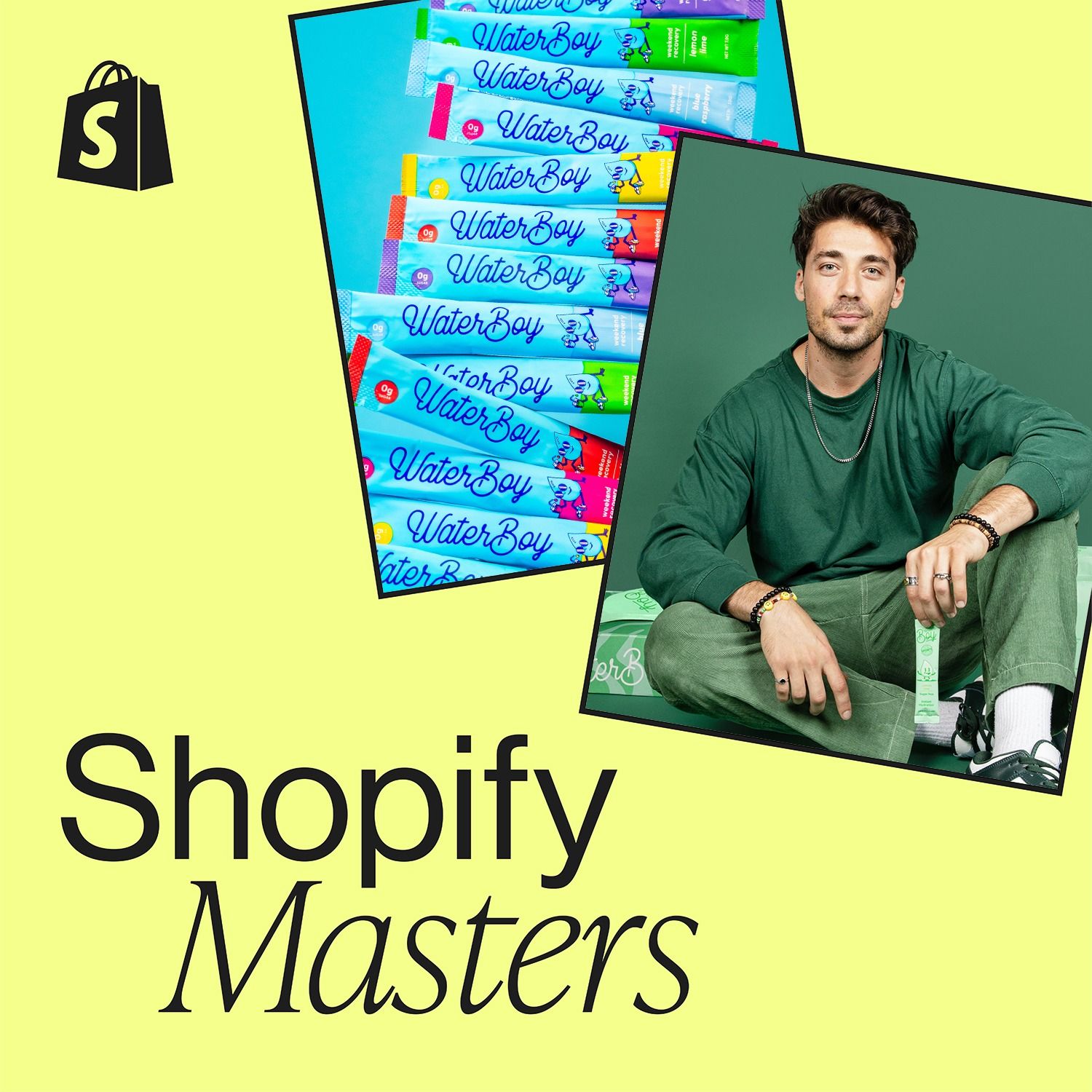
Waterboy opted for a "customer brand trip" instead of a traditional influencer trip, focusing on rewarding loyal buyers. The goal was community-building, not direct ROI. This authentic, against-the-grain approach generated significant buzz and ultimately proved to be ROI-positive.