Get your free personalized podcast brief
We scan new podcasts and send you the top 5 insights daily.
When a product achieves massive organic virality, the immediate priorities shift from sales to defense and long-term strategy. Founders must aggressively protect intellectual property against inevitable copycats while simultaneously planning to expand the brand beyond the single hero product to capture the fleeting attention.

Related Insights
Copycats are inevitable for successful CPG products. The best defense isn't intellectual property, but rapid execution by a team that has 'done it before.' Building a diverse distribution footprint and a strong brand quickly makes it harder for competitors to catch up.

As product innovation becomes easier to replicate, true defensibility lies in areas harder to copy. This includes owning your 3PL or factory to control costs or securing exclusive, long-term partnerships with an army of creators, as seen with the 'Hudson method'.

The idea that a single viral launch creates a successful business is a myth. Virality is fleeting. True audience and brand building requires relentless consistency in both activity and messaging, similar to how physical fitness requires daily effort, not a single heroic workout.

Encilia Hair's founder intentionally kept marketing quiet for years. She feared that generating demand she couldn't meet would kill the brand. This disciplined patience, waiting until manufacturing was diversified and robust, is a crucial strategy to avoid collapsing under the weight of unexpected success.
When competitors can easily copy a physical product, the original creator must build an indefensible moat through brand and community. This involves creating a media ecosystem where customers can participate, such as sharing user-generated content, making them part of something bigger than just the product.
After Taylor Swift caused a sales spike, an accessory founder was advised to focus on her fast-growing (but smaller) wholesale channel over her main retail channel. The key is to leverage the viral momentum to build a sustainable, repeatable growth engine for the long term, rather than just riding the temporary wave.
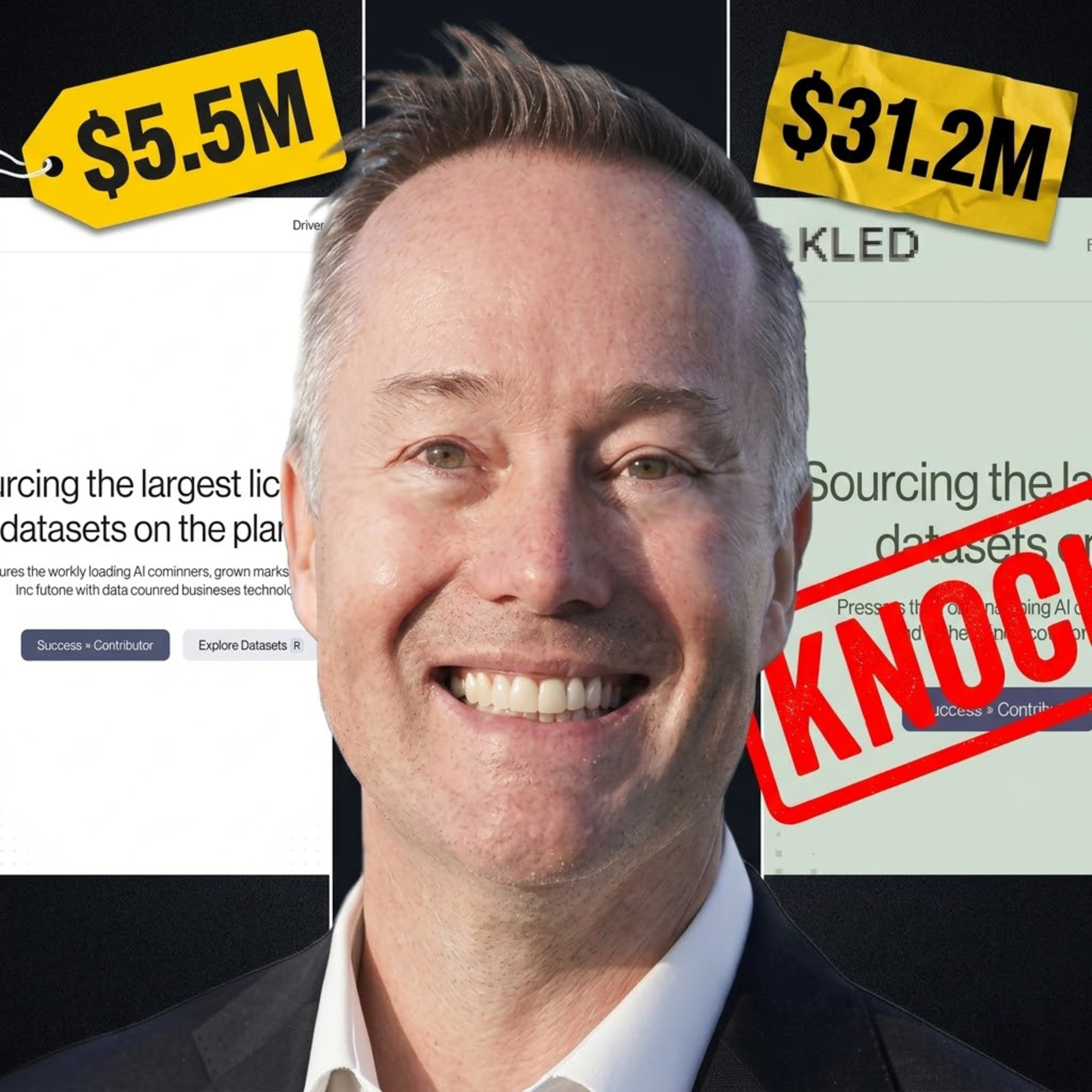
When faced with a blatant copycat and lacking legal resources, a founder's best defense can be a public campaign. This creates social pressure, rallies support, and puts the competitor and their investors on the defensive, as Kled founder Avi Patel demonstrated.
Many founders conflate their brand with their first product. A successful company requires a broader brand positioning that can accommodate future products. This prevents the business from getting stuck as a single-product entity and enables long-term growth and category expansion.

For design-focused businesses, pursuing patents and fighting every copycat is often a losing battle. A better defense is to continually innovate and build an authentic brand story and customer experience, as these are far more difficult for competitors to replicate than a visual design.
In the modern internet economy, a product's novelty can drive massive viral sales in its first year. This can be misleading, as it doesn't guarantee sustainable, predictable growth. Founders must plan for the second and third years when the initial hype fades and competition emerges.