Get your free personalized podcast brief
We scan new podcasts and send you the top 5 insights daily.
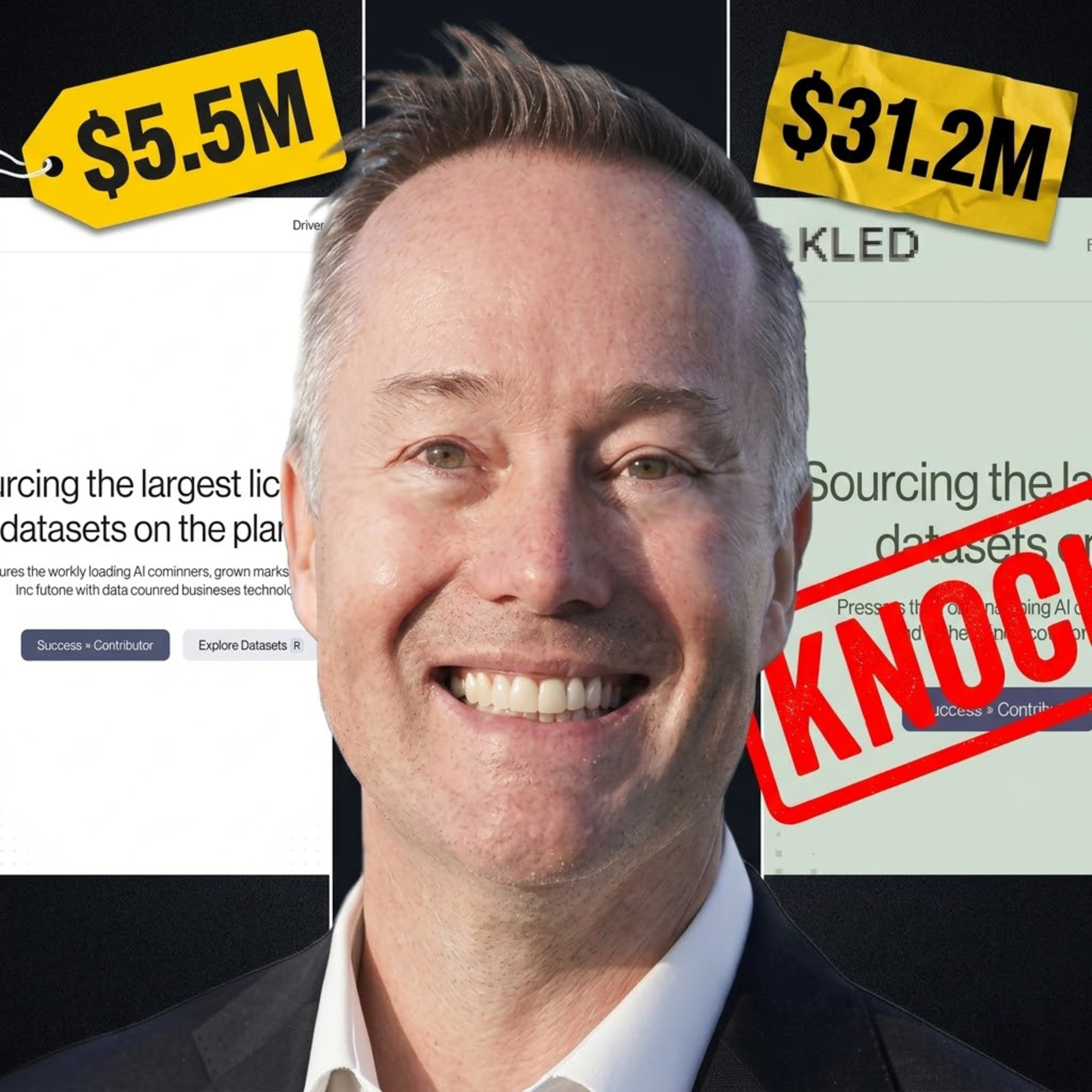
When faced with a blatant copycat and lacking legal resources, a founder's best defense can be a public campaign. This creates social pressure, rallies support, and puts the competitor and their investors on the defensive, as Kled founder Avi Patel demonstrated.
Related Insights
A new problem emerged for OutboundSync with success: competitors systematically scraping the founder's LinkedIn posts and messaging every commenter. While frustrating, this is a clear market signal that the company has moved beyond obscurity and built a valuable brand with an audience worth targeting.

When a physical product has low technical barriers to entry and can be easily copied, the only sustainable competitive advantage is a strong brand. Founders must focus on building a community and identity that competitors cannot replicate.

Competitors frequently use "dark arts" PR tactics, hiring firms to anonymously tip off journalists about rivals' questionable practices. This is a common, behind-the-scenes driver of negative press, turning competitive intelligence into a weapon that founders should be aware of.

When denied a patent, founder Rianne Silva was advised that strong brand recognition could be an equally powerful defense. She focused on building brand equity among professionals, which became her primary protection against copycats when they eventually emerged.

When a competitor copies your product, don't assume a costly legal battle is the only option. For a relatively small investment ($500-$1000), a strongly worded cease-and-desist letter from a lawyer can be surprisingly effective at scaring off a less-resourced opponent, making it a high-leverage initial action.

When Kled's founder publicly called out a competitor and their VC, his investors' initial reaction was fear, telling him to take the post down. However, after seeing the public support, they quickly reversed course and backed his aggressive stance.
When competitors can easily copy a physical product, the original creator must build an indefensible moat through brand and community. This involves creating a media ecosystem where customers can participate, such as sharing user-generated content, making them part of something bigger than just the product.
When a startup blatantly copies a competitor's website, investors should see it as a major warning sign. This "appearance of impropriety" warrants a deeper investigation into other aspects of the business, such as metrics, contracts, and customer claims, which may also be deceptive.
For design-focused businesses, pursuing patents and fighting every copycat is often a losing battle. A better defense is to continually innovate and build an authentic brand story and customer experience, as these are far more difficult for competitors to replicate than a visual design.
When larger competitors launched "Thousand Killer" copycat products, the founder resisted competing on price or features. Instead, she doubled down on deep customer insights and brand differentiation, moving further away from the competition. This proved more effective than engaging in a feature or price war, reinforcing their market position.