Get your free personalized podcast brief
We scan new podcasts and send you the top 5 insights daily.
In the modern internet economy, a product's novelty can drive massive viral sales in its first year. This can be misleading, as it doesn't guarantee sustainable, predictable growth. Founders must plan for the second and third years when the initial hype fades and competition emerges.

Related Insights
Rabois introduces a nuanced framework beyond just product-market fit. He argues that exceptional marketing can create a temporary illusion of success, but this "marketing fit" will eventually collapse if the underlying product value isn't there to retain users.

In the mid-2010s, VC-backed media like BuzzFeed operated under a "growth at all costs" mandate where achieving profitability was seen as a failure to spend enough on expansion. This created an unsustainable competitive landscape for privately-owned, profit-focused businesses that couldn't afford to "sell $1 for 50 cents."

Chasing viral videos provides temporary attention, but building recognition creates predictable growth and sustained income. While a viral video might get you seen by many, it's often forgettable. True success comes when people can specifically identify who you are and what you stand for.

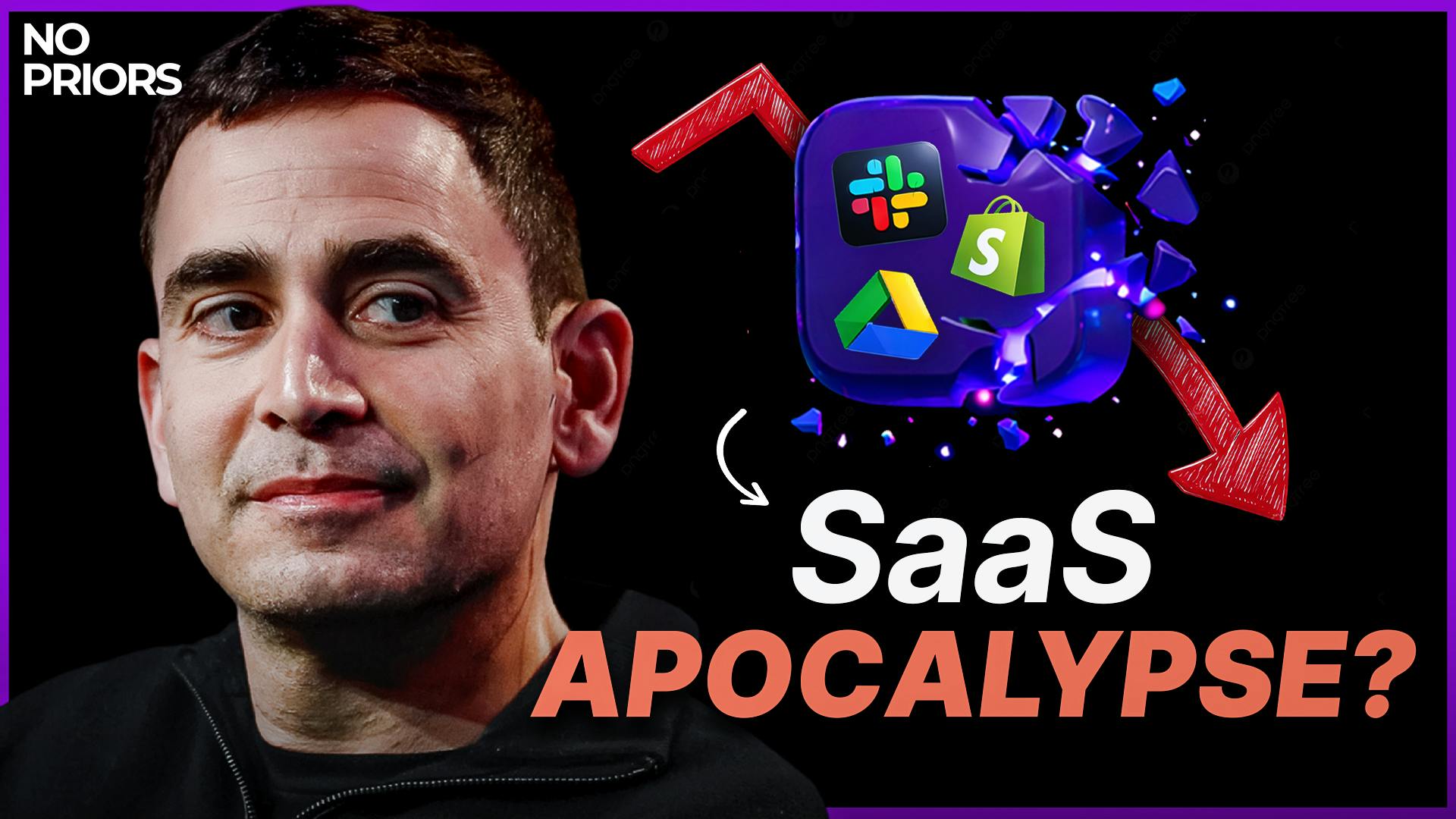
The AI era's high velocity of change, where market leaders can be displaced in 1-2 years, resembles the volatile dot-com bubble, not the last decade's predictable SaaS growth. This means founders must consider that even massive scale doesn't guarantee durability, making exit timing a critical strategic question.
Gaining millions of views is a vanity metric if the audience isn't engaged or aligned with business goals. Instead of pursuing fleeting viral moments, focus on consistent content that cultivates a real community. That engaged community, not a passive audience, can eventually be converted into customers.
The narrative of "0 to $100M in a year" often reflects a startup's dependence on a larger, fast-growing customer (like an AI foundation model company) rather than intrinsic product superiority. This growth is a market anomaly, similar to COVID testing labs, and can vanish as quickly as it appeared when competition normalizes prices and demand shifts.

Winning accolades like Product of the Day/Week/Month provides an initial user spike but doesn't guarantee product-market fit. True PMF is indicated by sustained, accelerating organic word-of-mouth growth, not a launch-driven bump that later flattens out.

The modern internet economy runs on an "attention market" where viral narratives attract talent and capital, often independent of underlying business fundamentals. This accelerates innovation but risks misallocating resources toward fleeting trends, replacing traditional price signals with attention metrics as the driver for investment.

Gaining initial sales from publicity is common but dangerous. It creates dependency on an uncontrollable source. Founders must recognize this as temporary and immediately build a sustainable, controllable marketing engine, like organic social media, before the press-driven sales dry up.

After experiencing the operational chaos, inventory issues, and painful downturn that followed explosive growth, Glamnetic's founder concluded it was a mistake. He now advocates for a more controlled path (e.g., 1 to 5 to 12 million) to build infrastructure and predictability.
