Get your free personalized podcast brief
We scan new podcasts and send you the top 5 insights daily.
As product innovation becomes easier to replicate, true defensibility lies in areas harder to copy. This includes owning your 3PL or factory to control costs or securing exclusive, long-term partnerships with an army of creators, as seen with the 'Hudson method'.

Related Insights
Copycats are inevitable for successful CPG products. The best defense isn't intellectual property, but rapid execution by a team that has 'done it before.' Building a diverse distribution footprint and a strong brand quickly makes it harder for competitors to catch up.

Physical products are easily copied. While patents help, brand is the most durable competitive moat. A strong brand lowers acquisition costs, increases lifetime value, and commands premium pricing—advantages that copycats cannot replicate, even if they perfectly clone the product.

When a physical product has low technical barriers to entry and can be easily copied, the only sustainable competitive advantage is a strong brand. Founders must focus on building a community and identity that competitors cannot replicate.

Rather than relying on patents, the founder built a defensible moat using brand strategy. This includes unique content, community engagement, and a trade-secret recipe, making it harder for competitors to replicate their success even if they copy the physical product.
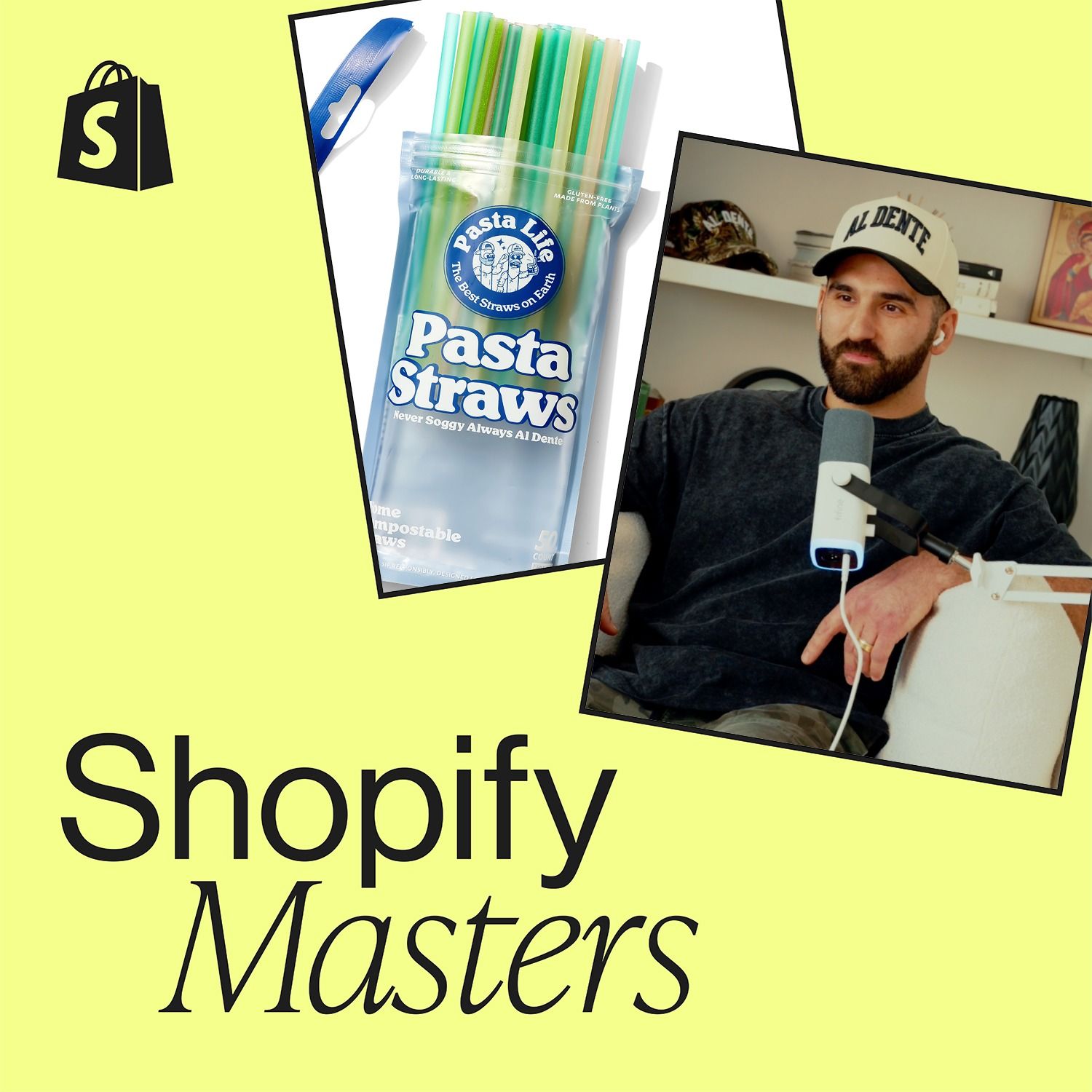
The advantages of scale—retail distribution, supply chain, and big ad budgets—are no longer insurmountable. Platforms like Shopify, Amazon, and TikTok empower smaller players. To stay relevant, large corporations must adopt the agile, audience-centric tactics of individual creators.

Persisting with a difficult, authentic, and more expensive production process, like using fresh ingredients instead of flavorings, is not a liability. It is the very thing that builds a long-term competitive advantage and a defensible brand story that copycats cannot easily replicate.
Unlike D2C competitors who are primarily marketers that outsource production, Spot & Tango vertically integrated by building its own factory. This contrarian move created a strong competitive moat through proprietary processes, quality control, and supply chain ownership.

As AI makes building software trivial, its value as a defensible moat is collapsing. The new moats are brand, distribution (influencers, email lists), and "atoms"—physical world services like clinics and medication that are complex, regulated, and cannot be "vibe cloned" over a weekend.

Sustainable scale isn't just about a better product; it's about defensibility. The three key moats are brand (a trusted reputation that makes you the default choice), network (leveraged relationships for partnerships and talent), and data (an information advantage that competitors can't easily replicate).

A durable competitive advantage, as defined by lessons from Amazon's Jeff Bezos, is an edge that persists even if a competitor woke up tomorrow and perfectly copied your strategy with equally talented people. Amazon used its early cost advantage to build physical fulfillment centers, creating an infrastructure lead that became impossible to close, even once the strategy was obvious.
![Henry Ellenbogen - Man Versus Machine - [Invest Like the Best, EP.452] thumbnail](https://megaphone.imgix.net/podcasts/498a0910-d6ea-11f0-aae4-8f837283e00f/image/9b60f0353346cd1b5cbd326c86e22287.jpg?ixlib=rails-4.3.1&max-w=3000&max-h=3000&fit=crop&auto=format,compress)