Get your free personalized podcast brief
We scan new podcasts and send you the top 5 insights daily.
Encilia Hair's founder intentionally kept marketing quiet for years. She feared that generating demand she couldn't meet would kill the brand. This disciplined patience, waiting until manufacturing was diversified and robust, is a crucial strategy to avoid collapsing under the weight of unexpected success.

Related Insights
After their launch video went viral and they immediately sold out of razors, Dollar Shave Club kept sales open. They transparently informed new customers of a shipping delay but allowed them to continue placing orders. This captured massive demand that would have otherwise been lost.
Hera's explosive growth came from organic word-of-mouth, with YouTubers making videos voluntarily. The founder's philosophy is that the best marketing is no marketing; a product that solves a real pain point spreads naturally. Paid marketing is seen as a 'tax' for not having achieved strong PMF.

The "build it and they will come" mindset is a trap. Founders should treat marketing and brand-building not as a later-stage activity to be "turned on," but as a core muscle to be developed in parallel with the product from day one.
The founder of Randomals was tempted by animation deals while struggling with inventory. The advice was to ignore these 'sexy' but distracting opportunities. True scale comes from disciplined focus on strengthening the supply chain and mastering the single sales channel that's already proven successful, not from chasing scattershot growth.
Despite data showing high demand, Hallie Meyer instinctively "presses the brakes" on scaling her ice cream business. She fears that rapid growth could "burst the bubble of obsession" customers have with the product and its intimate experience, consciously prioritizing brand love over immediate expansion.

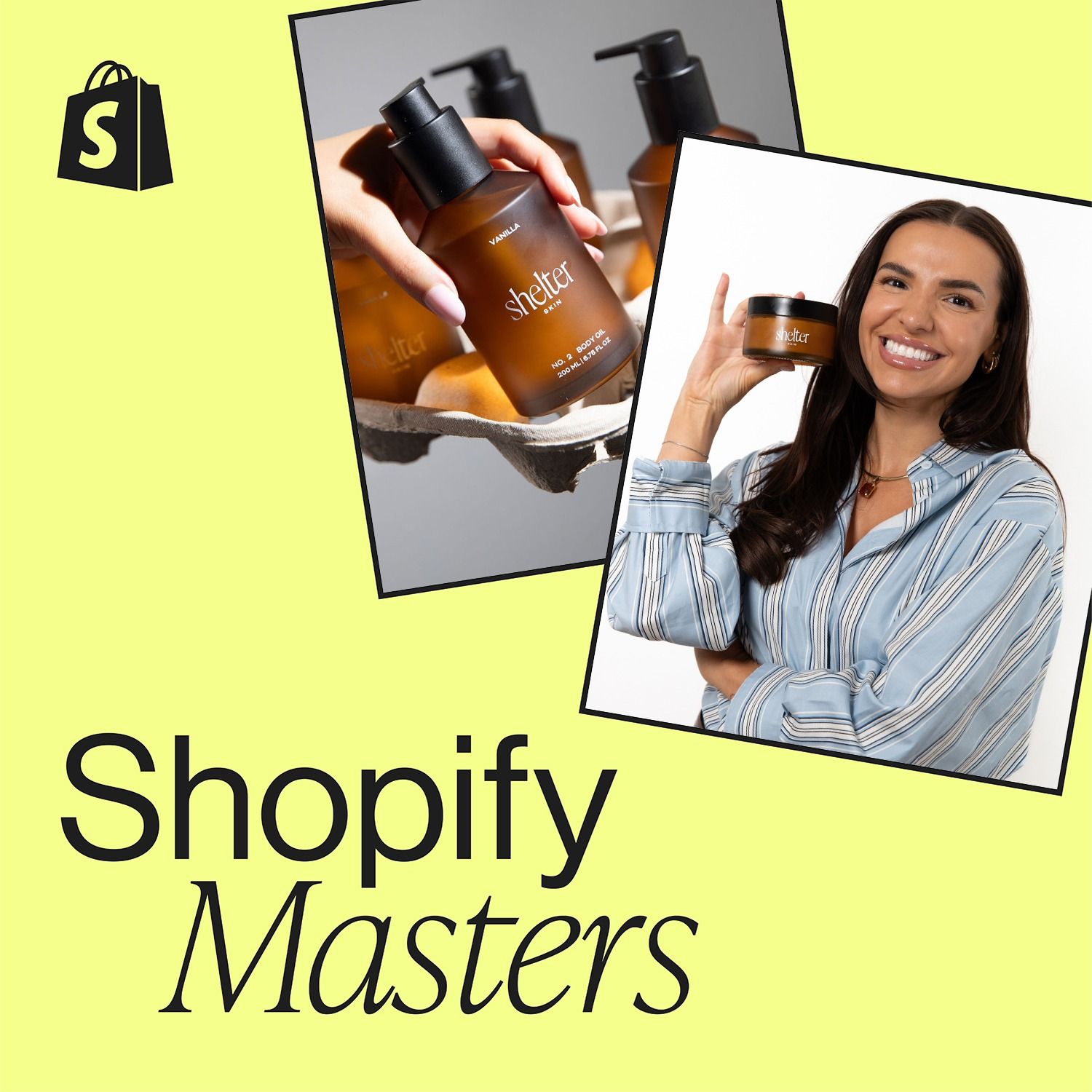
To avoid the operational chaos of viral success, Shelter Skin deliberately caps production to match what they can manufacture and ship themselves. This prevents them from overselling and allows for sustainable, bootstrapped growth, even if it means frustrating some customers with temporary stockouts.
When at equilibrium, you must choose what to sacrifice for growth: profit or reputation. Increasing demand first strains your team, damaging quality and reputation. Increasing supply first costs money and hurts short-term profit but builds capacity, protecting reputation and enabling sustainable growth.

Gaining initial sales from publicity is common but dangerous. It creates dependency on an uncontrollable source. Founders must recognize this as temporary and immediately build a sustainable, controllable marketing engine, like organic social media, before the press-driven sales dry up.

Despite his team's eagerness to enter comic book stores, Vaynerchuk is intentionally patient, waiting until the market "feels right." This protects long-term brand health by ensuring organic demand outpaces supply before expanding.
If your business can fulfill current demand but you're worried about future capacity, always choose to generate more demand first. The influx of cash and urgency creates the necessary pressure and resources to solve supply-side problems like hiring and training more efficiently.