Get your free personalized podcast brief
We scan new podcasts and send you the top 5 insights daily.
After Taylor Swift caused a sales spike, an accessory founder was advised to focus on her fast-growing (but smaller) wholesale channel over her main retail channel. The key is to leverage the viral momentum to build a sustainable, repeatable growth engine for the long term, rather than just riding the temporary wave.

Related Insights
An influencer's audience provides an initial sales boost but is a finite resource that can be quickly saturated. The long-term viability of a personality-led brand depends on its ability to acquire net-new customers through traditional channels, who are not part of the original fanbase.
Chasing viral videos provides temporary attention, but building recognition creates predictable growth and sustained income. While a viral video might get you seen by many, it's often forgettable. True success comes when people can specifically identify who you are and what you stand for.

A massive PR event like an appearance on Shark Tank can skyrocket sales temporarily, but this surge is rarely sustainable. The founder of Soar saw sales jump from $120k to $440k, only to fall back to $105k the next year, highlighting the need to plan for the inevitable normalization.
Instead of testing every possible marketing channel, successful companies find one or two that produce power-law outcomes. This requires identifying your product's inherent advantages for distribution (e.g., social shareability for a consumer app) and doubling down there first.

Encilia Hair's founder intentionally kept marketing quiet for years. She feared that generating demand she couldn't meet would kill the brand. This disciplined patience, waiting until manufacturing was diversified and robust, is a crucial strategy to avoid collapsing under the weight of unexpected success.
After going viral, Kōv Essentials felt a chronic pressure to replicate that moment. They learned virality doesn't convert as effectively anymore and shifted their strategy. Instead of constant viral attempts, they now place one "viral-style" post per month to attract followers and spend the rest of the time nurturing that audience.
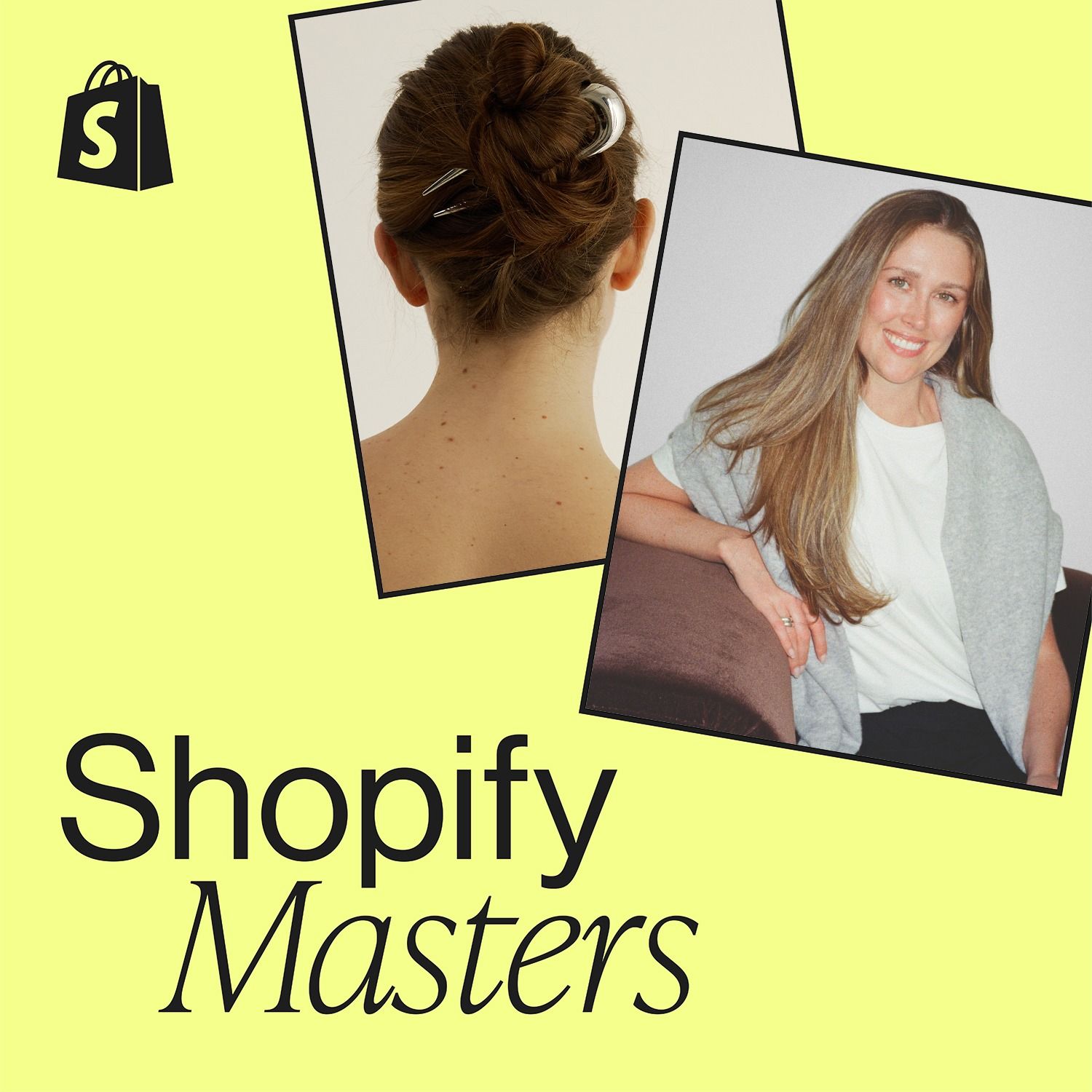
When facing multiple promising growth opportunities, founders should avoid pursuing them all at once. Instead, sequence them by designating one channel as the primary "engine" for the next 6-18 months, treating others as mere proof points to maintain focus.
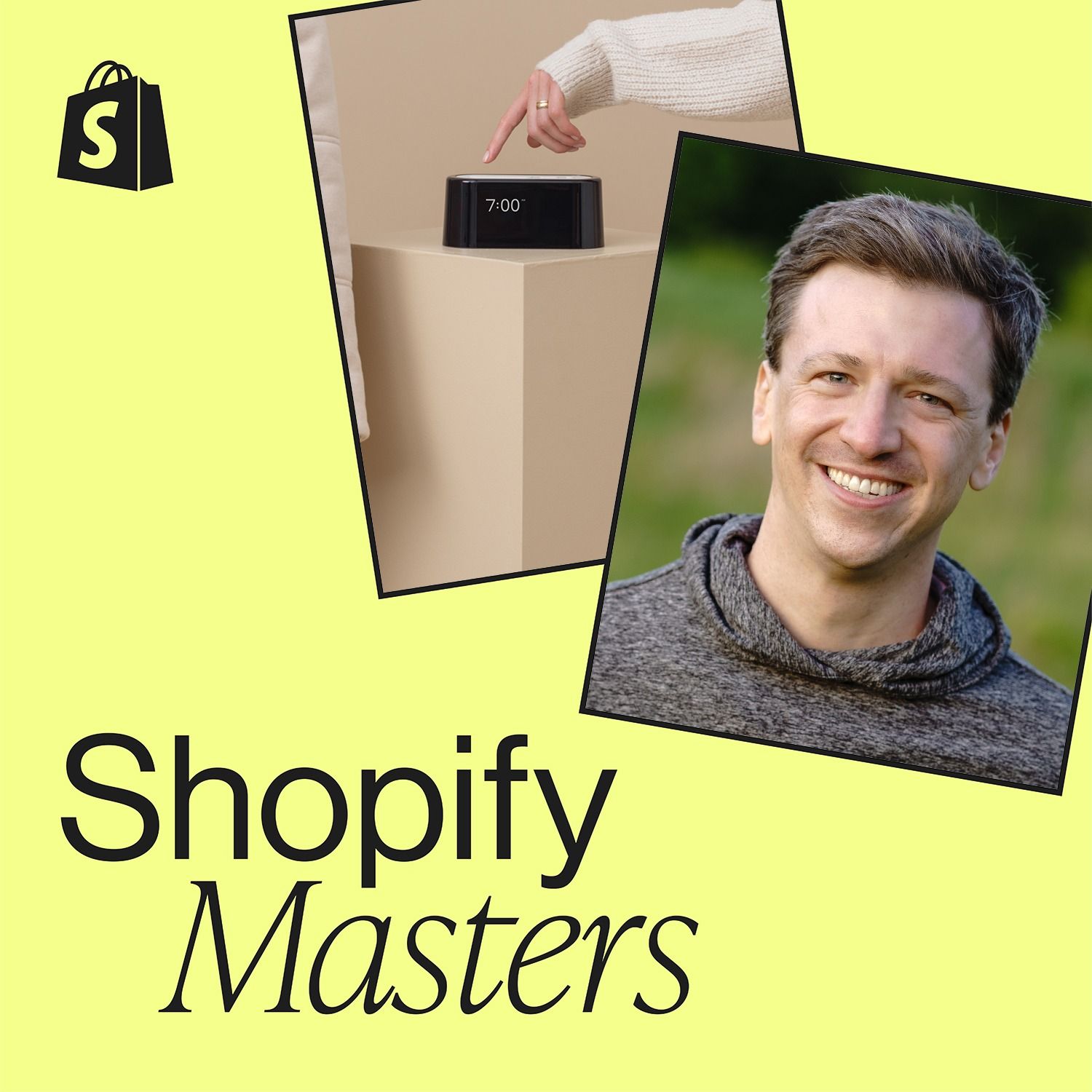
Despite selling over 200,000 alarm clocks, the founder realized that success with a single, one-time-purchase product is insufficient for long-term sustainability. This led to a strategic shift towards building a digital app with recurring revenue, a crucial lesson for any DTC brand focused on a hero product.
Starter Story's growth came in distinct phases, each tied to a new distribution channel: first Reddit, then SEO, and finally YouTube. This demonstrates that sustainable growth requires constantly identifying and adapting content to the next emerging channel as older ones inevitably fade in effectiveness or become saturated.

After experiencing the operational chaos, inventory issues, and painful downturn that followed explosive growth, Glamnetic's founder concluded it was a mistake. He now advocates for a more controlled path (e.g., 1 to 5 to 12 million) to build infrastructure and predictability.
