Get your free personalized podcast brief
We scan new podcasts and send you the top 5 insights daily.
To reach 1,000 subscribers in six months, the founder of 'First 1000' focused on the micro-goal of acquiring just six new subscribers per day. This made the larger goal feel more achievable and drove daily, intentional action, leading him to relentlessly try different tactics to hit his small target.
Related Insights
The initial goal wasn't a grand vision but a simple, tangible one: sell one item online. This micro-goal made starting less intimidating. Achieving it provided a powerful psychological boost and the momentum to pursue the next small milestone, creating a gradual growth flywheel.

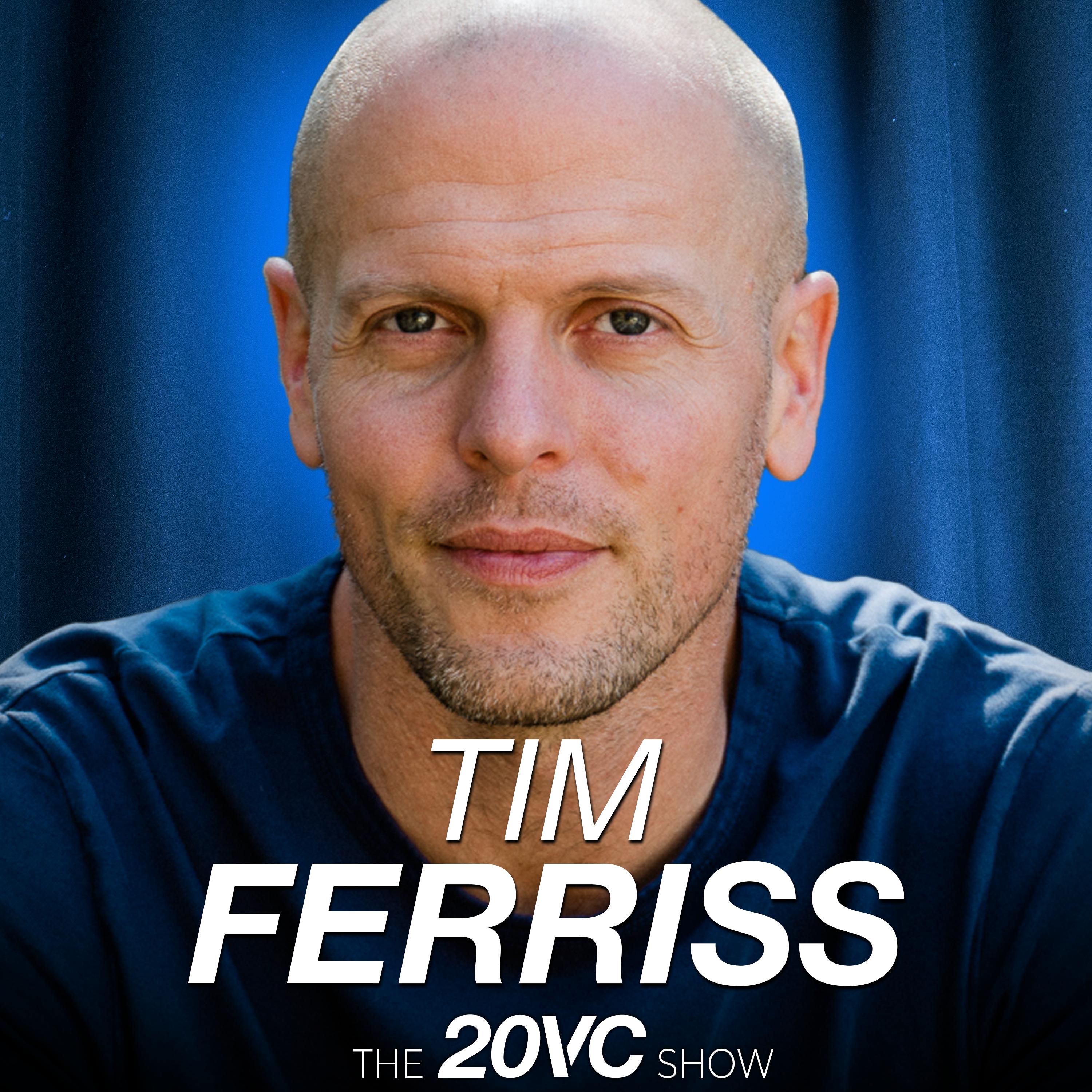
To achieve massive reach, start with a hyper-specific target audience. By writing "The 4-Hour Workweek" for just two friends and marketing it to a narrow demographic in one city, Tim Ferriss created a concentrated ripple effect that naturally expanded to millions. A broad approach dilutes your message.
Vague goals like "get better" lack emotional weight. Creating precise, detailed goals—like "add 50 qualified opportunities by March 31st"—fosters a strong psychological and emotional connection to the outcome. This attachment is crucial for maintaining motivation and overcoming obstacles.

Reconcile long-term vision with immediate action by separating time scales. Maintain "macro patience" for your ultimate goal. Simultaneously, apply "micro speed" to daily tasks, showing maniacal urgency by constantly asking, "What would it take to do this in half the time?" and pulling the future forward.

To exceed sales targets, stop focusing on the final number. Instead, use math to reverse-engineer the quota into controllable daily and weekly activities. Consistently hitting these input goals will naturally lead to crushing the overall output goal without the associated pressure.
Pursuing huge, multi-year goals creates a constant anxiety of not doing "enough." To combat this, break the grand vision into smaller, concrete milestones (e.g., "what does a win look like in 12 months?"). This makes progress measurable and shifts the guiding question from the paralyzing "Am I doing enough?" to the strategic "Is my work aligned with the long-term goal?"
Leveraging his existing authority on LinkedIn, Tom Alder promoted his yet-to-be-released newsletter and built a 5,000-person waitlist. This strategy capitalized on the excitement of a launch, converting his social media following into an email audience before writing a single issue.
A 200-hour annual volunteer commitment felt daunting. By reframing it as just four hours per week, Crisis Text Line saw an 8% increase in productivity. Smaller, proximal goals create a 'goal gradient effect,' where motivation increases as you get closer to the finish line, making progress feel more immediate.

To achieve a massive, long-term goal like building a company, break it down into a single, specific, weekly metric (e.g., "grow subscribers by 3%"). This radical focus on a micro-goal forces intense daily action, eliminates distractions like side hustles, and makes an audacious goal feel approachable.
A huge goal like "build a website" is a "Level 37" task that creates a constant state of failure until completion. Instead, break it down into incremental levels, like "write down ideas." This creates momentum and a feeling of success at each stage, combating procrastination.