Get your free personalized podcast brief
We scan new podcasts and send you the top 5 insights daily.
Leveraging his existing authority on LinkedIn, Tom Alder promoted his yet-to-be-released newsletter and built a 5,000-person waitlist. This strategy capitalized on the excitement of a launch, converting his social media following into an email audience before writing a single issue.
Related Insights
During a major launch, the creator continued sending her regular story-driven newsletter. By weaving in authentic stories related to the launch theme and a subtle CTA, these emails generated over $300,000, proving that connection-focused content can outperform hard sales pitches.

A successful launch doesn't require webinars or video sales letters. Entrepreneur Devin built a major launch using only an engaged Facebook community, a waitlist offering special perks, and an email marketing campaign. Deep community engagement can outperform complex, high-production funnels.
Don't wait until a campaign to focus on audience growth. Proactively schedule dedicated list-building activities (like a new quiz or free workshop) on your calendar during your 'off-seasons.' This builds a warm audience and strong relationships before you need to make an ask, leading to more successful launches.
Unlike standard posts that are subject to algorithmic reach, a LinkedIn newsletter sends an email directly to every subscriber's inbox. This provides a powerful, free distribution channel with nearly 100% deliverability, allowing marketers to guarantee their content is seen by their most engaged followers on the platform.
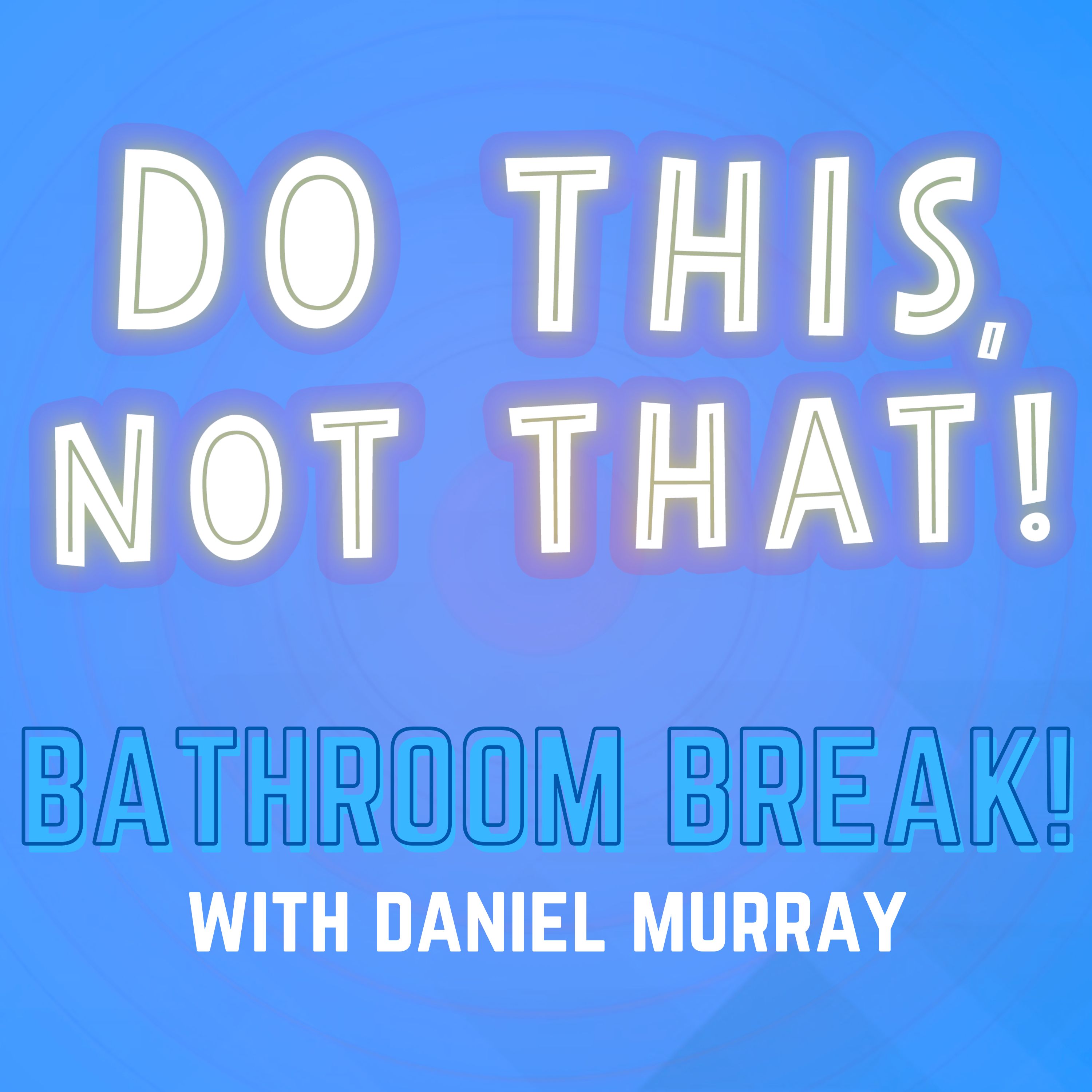
Instead of leading with a product, founder Lanny Smith focused on building a community around Actively Black's mission of Black ownership and representation. This generated a massive, engaged audience ready to buy on day one, reverse-engineering the typical product-first launch strategy.
When launching a LinkedIn newsletter, the platform notifies all your followers. The best tactic is to wait for this initial wave of subscribers to join *before* sending your first issue. Publishing too quickly means most of your new audience will miss the inaugural email, wasting the launch's momentum.
A critical mistake is publishing your first newsletter immediately upon creation. The optimal tactic is to launch the newsletter, wait for the platform to send subscription notifications and for followers to subscribe, and then send the first issue. This ensures it reaches the largest possible audience, avoiding the 'zero sends' pitfall of premature publishing.

When you create a LinkedIn newsletter, the platform sends a one-time notification to all your followers, inviting them to subscribe. This unique feature bypasses the standard algorithm, offering a direct, powerful way to convert your existing audience into a dedicated subscriber list with high initial uptake (around 15-20%).
Newsletters can be powerful list-builders, but only if promoted like a product. Instead of a simple 'join my newsletter' prompt, create a dedicated page that details the value, explains what subscribers will get, and even offers a preview of a past issue.
To reach 1,000 subscribers in six months, the founder of 'First 1000' focused on the micro-goal of acquiring just six new subscribers per day. This made the larger goal feel more achievable and drove daily, intentional action, leading him to relentlessly try different tactics to hit his small target.