Get your free personalized podcast brief
We scan new podcasts and send you the top 5 insights daily.
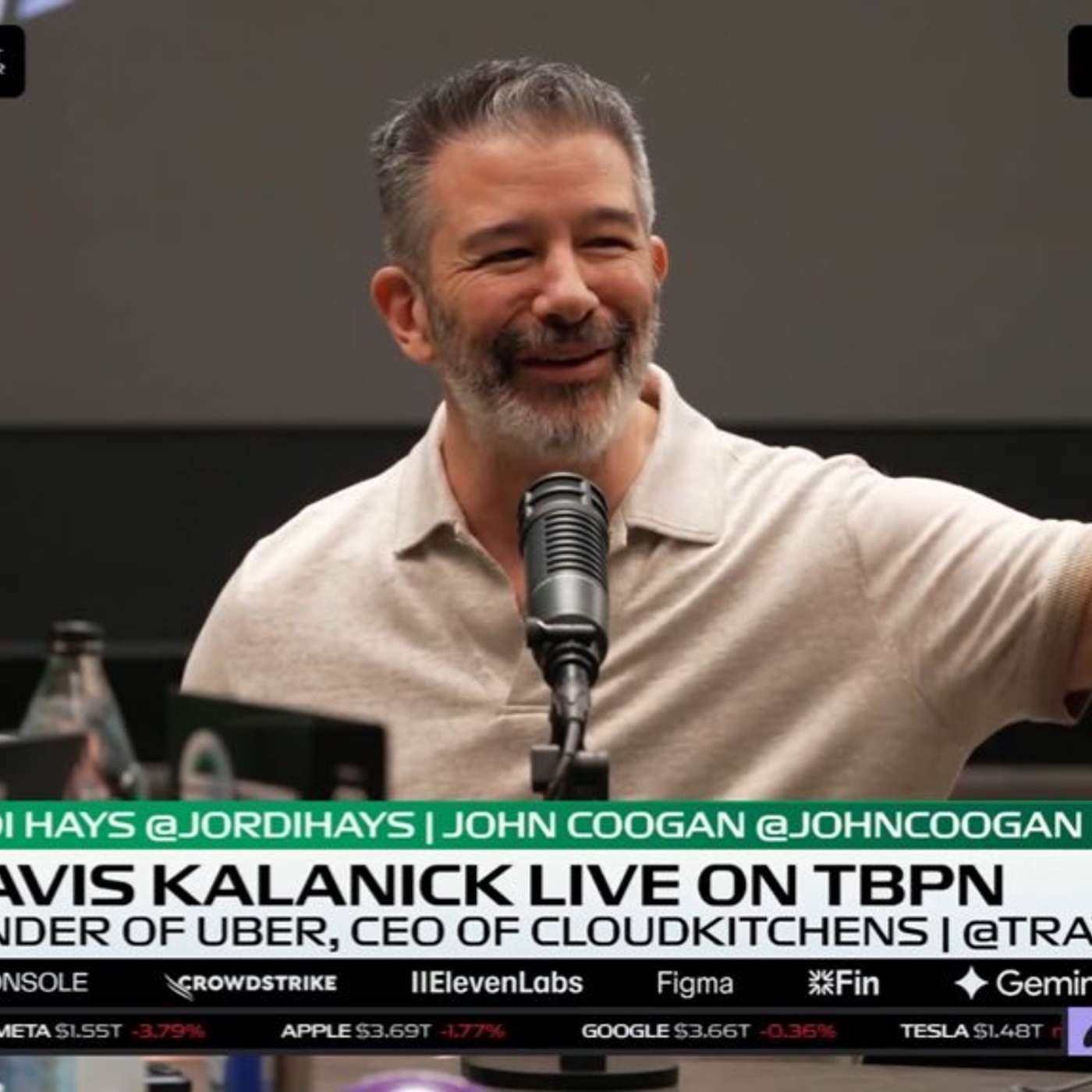
To escape public scrutiny after Uber, Travis Kalanick ran his new company, City Storage Systems, "full underground" for eight years. This extreme stealth, which included banning employees from listing the company on LinkedIn, was a deliberate strategy to build without media distraction.

Related Insights
Travis Kalanick's new company operated in deep stealth for eight years, forcing 100% outbound recruiting and sales. This forged operational excellence in those teams and cultivated a culture of builders who derive satisfaction from the work itself, not public recognition.
Before becoming a viral sensation, founder Jesse Cole spent 8 years running a small, unknown team. This period of "toiling in obscurity" was crucial for testing hundreds of wild ideas without public scrutiny, building the playbook that enabled the Bananas' explosive growth.

Younis deliberately avoided public promotion for years, believing that time spent on public consumption is time not spent on customers and product. This quiet focus challenged the "build in public" mantra and was key to his success.

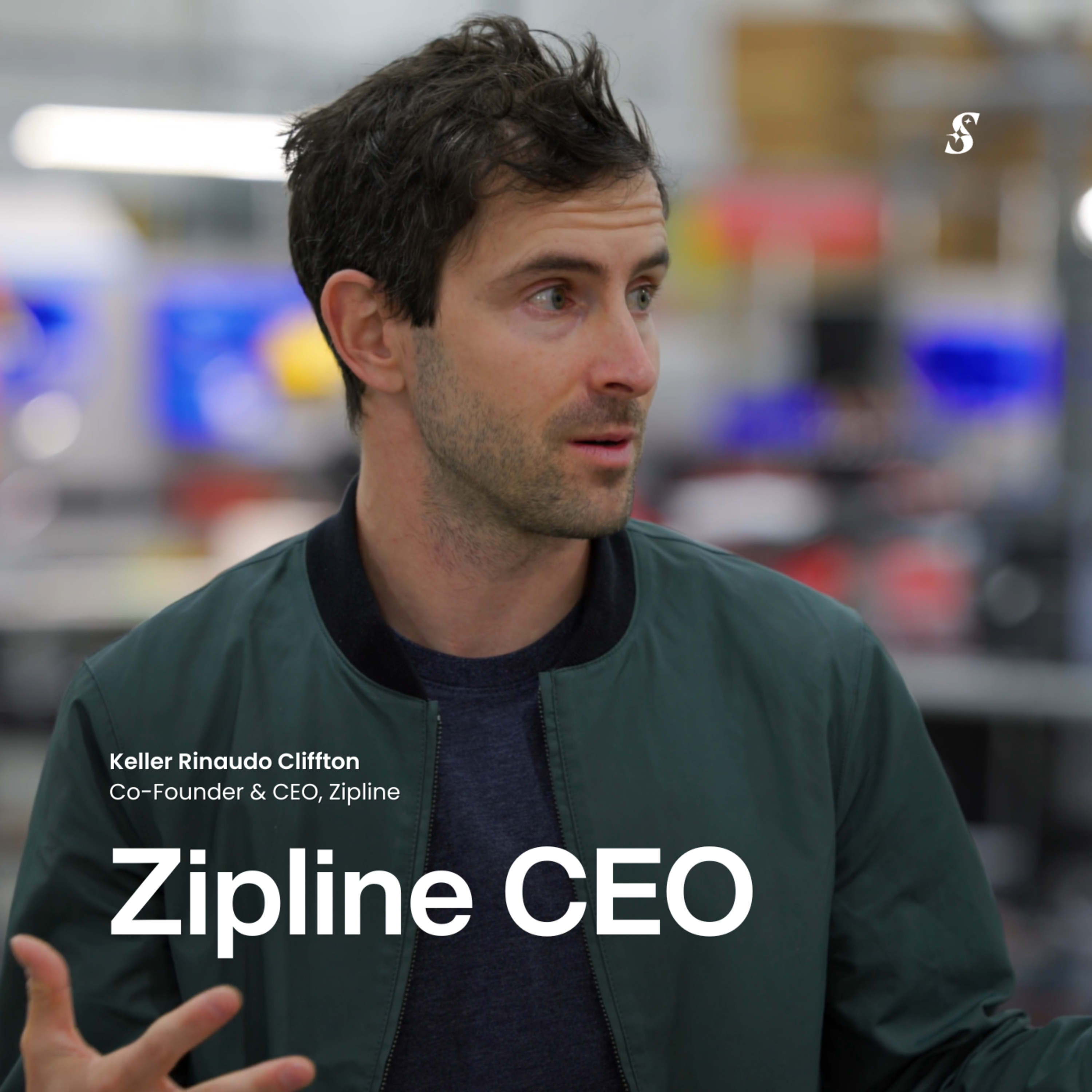
Zipline, much like early Tesla or SpaceX, was never part of a broader investment "hype cycle." They spent a decade working on a contrarian idea that most investors thought was stupid. This obscurity allowed them to build with deep conviction, attracting only highly contrarian investors who believed in the long-term, inevitable vision.
Brian Chesky argues that large, late-stage private companies experience the downsides of public scrutiny without the benefits. There's an "insatiable desire" from outsiders to "get to the truth," creating more speculative pressure than the regulated transparency of being a public company.

Kalanick compares his focus on food logistics to his early work in taxis, noting that both were seen as "boring" or "weird" ideas. He believes the best markets are often less competitive because they are difficult and unattractive to others, creating huge potential for founders who embrace the challenge.
In an era of infinite replicability, startups have two viable paths. They can either operate in stealth with a non-obvious, defensible insight ('a secret incantation'), or tackle an obvious problem and win by completely owning the public narrative. The middle ground is no longer viable.

Vivtex used stealth mode not for secrecy, but to give itself a 'time window' to fully develop its technology and nail down its precise application. This prevented them from making public promises they might later have to retract, ensuring a more stable and confident market entry.

For well-funded founders, the downsides of PR can outweigh the benefits. Constant negative media attention is distracting for the team. Staying in deep stealth mode minimizes copycat competitors and keeps employees focused on innovation instead of public perception and damage control.

Unlike companies where recruiting is a support role, Uber founder Travis Kalanick elevated it to a frontline function, on par with operations. He dedicated an hour each week to the recruiting team, signaling its importance and making the function more effective and motivated.