Get your free personalized podcast brief
We scan new podcasts and send you the top 5 insights daily.
Younis deliberately avoided public promotion for years, believing that time spent on public consumption is time not spent on customers and product. This quiet focus challenged the "build in public" mantra and was key to his success.

Related Insights
During Ethic's long build phase before traction, the founder found it crucial to ignore external validation signals like other companies' funding announcements. The key to surviving this lonely period is a relentless daily focus on execution and solving customer problems, not chasing industry hype.

Many founders believe their main job is to build the product. However, successful CEOs like OpenAI's Sam Altman dedicate at least half their time to promotion, which is the true engine of growth. Without it, even the best product will fail because no one will know it exists.

Founders like James Dyson and Yvon Chouinard represent the "anti-business billionaire." They are obsessed with product quality and retaining control, often making decisions that seem financially sub-optimal in the short term. This relentless focus on creating the best product ultimately leads to massive financial success.

A successful startup often resembles a cult, requiring a leader who communicates their vision with unwavering, first-person conviction. Hiding the founder behind polished PR spokespeople is a mistake; it neuters the contagious belief required to recruit talent and build a movement against impossible odds.

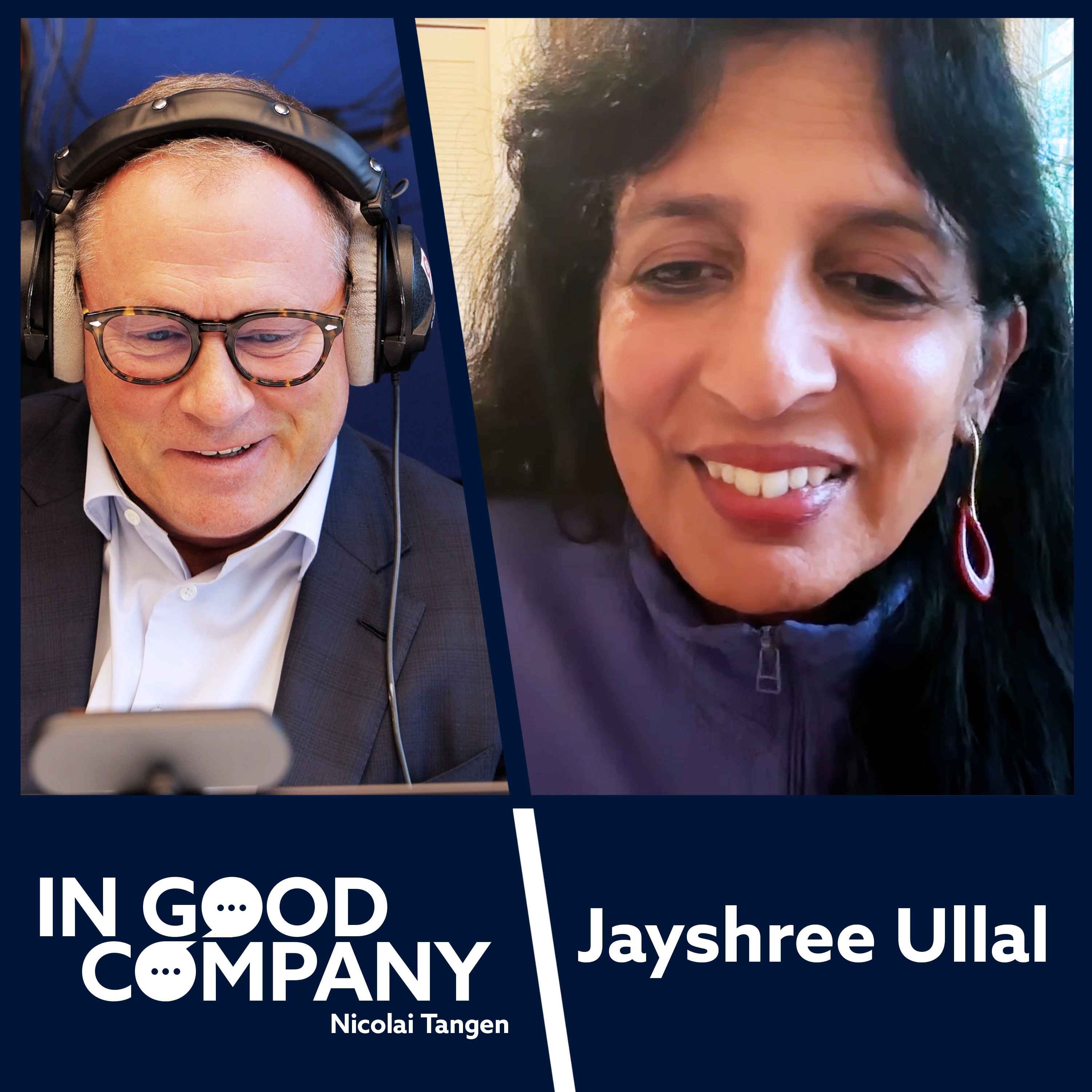
Jayshree Ullal never planned to be a CEO, finding joy in working directly with engineers to build products for customers. This deep focus on product and team, rather than on title or corporate ladder, ultimately led her to the executive role when she sought a more impactful environment after her time at Cisco.
To maintain product focus and avoid the 'raising money game,' the founders of Cues established a separate trading company. They used the profits from this successful venture to self-fund their AI startup, enabling them to build patiently without being beholden to VC timelines or expectations.

For 22 years, Ryan Smith's focus was monastically singular on Qualtrics. He didn't angel invest, sit on other boards, or have any side hustles. This intense, long-term dedication, avoiding all distractions, was a critical factor in the company's multi-billion dollar outcome.

For well-funded founders, the downsides of PR can outweigh the benefits. Constant negative media attention is distracting for the team. Staying in deep stealth mode minimizes copycat competitors and keeps employees focused on innovation instead of public perception and damage control.

The most exceptional founders are so intensely focused on building their business that they deprioritize non-critical communication, even with investors. Their slow response time is a counter-intuitive signal of extreme dedication and focus, not disrespect.
Jacqueline Johnson argues that true wealth is about long-term security and is often "quiet," while status is a loud, active pursuit of recognition. She prioritizes building a reputation for helping others over being seen at high-profile events.
