Get your free personalized podcast brief
We scan new podcasts and send you the top 5 insights daily.
Unlike companies where recruiting is a support role, Uber founder Travis Kalanick elevated it to a frontline function, on par with operations. He dedicated an hour each week to the recruiting team, signaling its importance and making the function more effective and motivated.

Related Insights
Instead of relying on traditional recruiting, founder Travis Kalanick went on a "global tour." He hosted happy hours in major cities, invited top local talent, personally pitched the Cloud Kitchens vision for an hour, and then networked, creating a direct pipeline of elite candidates.
Before hiring for a critical function, founders should do the job themselves, even if they aren't experts. The goal isn't mastery, but to deeply understand the role's challenges. This experience is crucial for setting a high hiring bar and being able to accurately assess if a candidate will truly up-level the team.

Treat hiring as a compounding flywheel. A new employee should not only be a great contributor but also make the company more attractive to future A-players, whether through their network, reputation, or interview presence. This focus on recruiting potential ensures talent density increases over time.

To maintain an exceptionally high talent bar while scaling, Coinbase's top two executives personally review a detailed packet for every prospective employee. They retain the right to veto any hire, demonstrating an extreme commitment to talent quality over speed.

When contractors complain they can't find good people, it's often a culture problem, not a talent shortage. A great workplace turns existing employees into recruiters who attract other high-quality talent from their networks, creating a self-sustaining recruitment pipeline.

Early-stage recruiting requires relentless focus. Legendary investor John Doerr advised Dylan Field to think about it constantly—from morning to night—and manage it with the same discipline as a sales funnel, always feeding the top and moving candidates through the process.

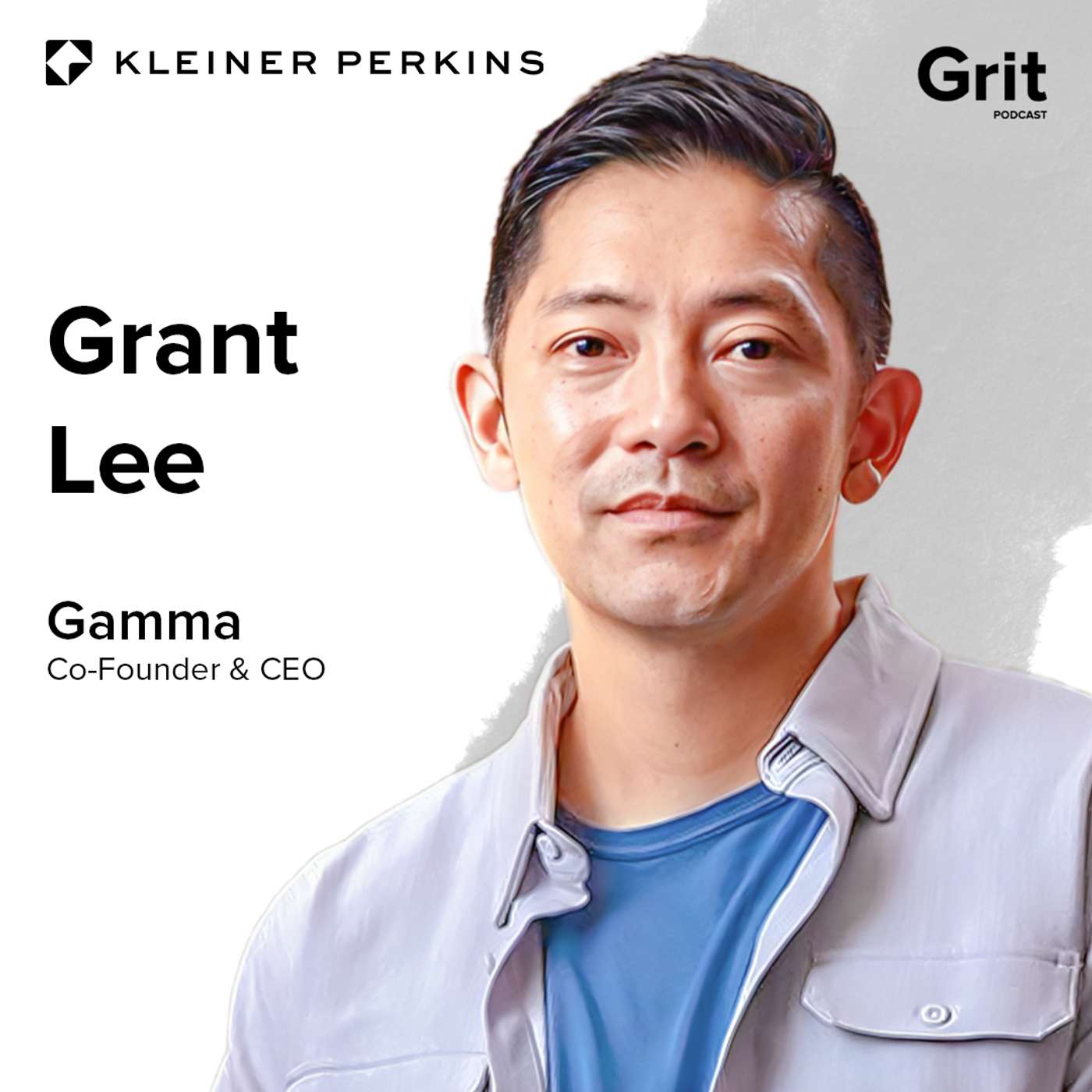
Before hiring for a critical function like growth marketing, Gamma's CEO spent 6-12 months doing the job himself. This immersion taught him what "great" looks like, preventing a bad hire and ensuring he could properly lead the function he was delegating.
At Larroudé, the executive culture is "hands-on." Leaders are not just strategists who delegate; they must be able to execute tasks themselves. Furthermore, a critical hiring criterion for leadership is the ability to recruit, with the expectation that they can build out their own high-performing teams.

In the current talent market, the most discerning recruiters of young talent are other young, high-performing founders. They possess an innate ability to identify the true "grinders" within their own generation, bypassing superficial signals and making hiring decisions with a level of accuracy that older managers may lack.

The story of interviewing 600 developers to find one CTO highlights a key lesson: high-volume interviewing isn't just about finding one person. It's about developing pattern recognition. By speaking with dozens of candidates for a single role, you rapidly tune your ability to distinguish between mediocre and exceptional talent.
