Get your free personalized podcast brief
We scan new podcasts and send you the top 5 insights daily.
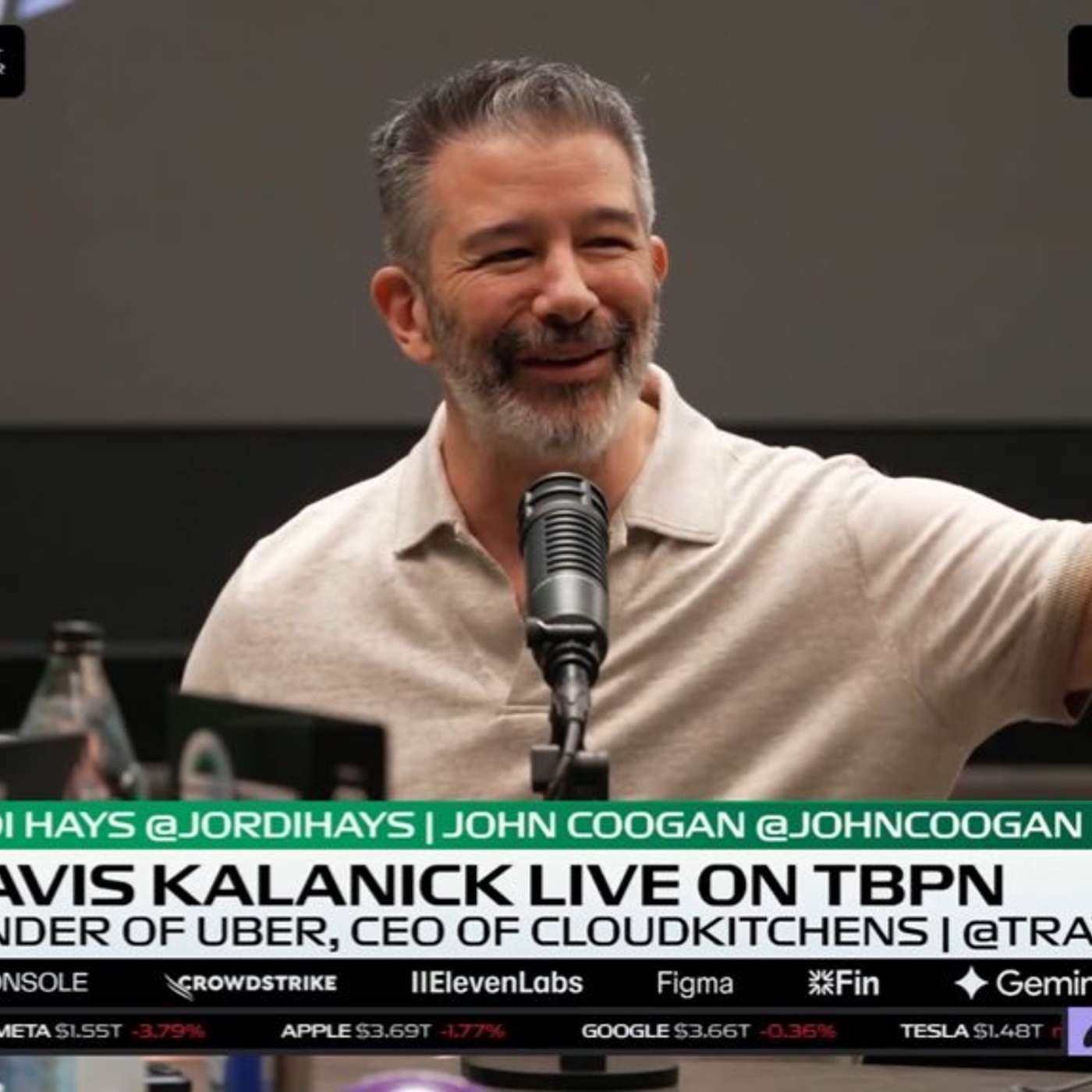
Travis Kalanick's new company operated in deep stealth for eight years, forcing 100% outbound recruiting and sales. This forged operational excellence in those teams and cultivated a culture of builders who derive satisfaction from the work itself, not public recognition.
Related Insights
Instead of relying on traditional recruiting, founder Travis Kalanick went on a "global tour." He hosted happy hours in major cities, invited top local talent, personally pitched the Cloud Kitchens vision for an hour, and then networked, creating a direct pipeline of elite candidates.
Younis deliberately avoided public promotion for years, believing that time spent on public consumption is time not spent on customers and product. This quiet focus challenged the "build in public" mantra and was key to his success.

Base fosters a "chop wood, carry water" culture where leaders are still individual contributors. The founding team set this tone by writing the first code and installing the first batteries themselves. This ensures a hands-on, problem-solving mindset permeates the company as it scales.

Base Power's culture of execution was set by its first ~10 hires—senior leaders from Tesla and SpaceX who initially worked as individual contributors. This "lead from the front" model, where leaders still do IC work, cascaded through the company as it scaled to 250 people.

Unlike companies that pay lip service to work-life balance, Uber's CEO is explicit: new hires are expected to work incredibly hard, and underperformers will be pushed out. This upfront honesty acts as a filter, attracting individuals who thrive in a high-intensity environment and ensuring cultural alignment from day one.

For well-funded founders, the downsides of PR can outweigh the benefits. Constant negative media attention is distracting for the team. Staying in deep stealth mode minimizes copycat competitors and keeps employees focused on innovation instead of public perception and damage control.

Unlike companies where recruiting is a support role, Uber founder Travis Kalanick elevated it to a frontline function, on par with operations. He dedicated an hour each week to the recruiting team, signaling its importance and making the function more effective and motivated.
Before its explosive success, StackBlitz spent years as a 'research lab' with little revenue. The team stayed motivated not by financial prospects but by the intrinsic challenge of building novel technology. This mission-driven culture is crucial for retaining top talent during the long, uncertain search for product-market fit.
The primary benefit of being first isn't always commercial success. Instead, the ambition to be an innovator is a powerful tool for recruiting top-tier engineers and creatives. This cultural drive for leadership gives clarity to the internal roadmap and attracts talent that wants to build the future, making it a valuable recruiting tool.
Constant exposure to top founders and a build-centric environment at YC creates an irresistible "itch" to start a company. The organization accepts that its best employees will almost always leave to become founders themselves, not to join other tech giants.
