Get your free personalized podcast brief
We scan new podcasts and send you the top 5 insights daily.
Anton LaGuardia says Europe now essentially pays Ukraine's bills, including a $90bn loan, but cannot match early warning of ballistic missiles, Patriot interceptors or Starlink. Europe's thinner satellite constellation means filling those gaps could take many years, leaving Ukraine weaker if US support vanishes permanently.

Related Insights
While European nations possess significant military hardware, they lack America's unique ability to integrate their forces through unified command, control, intelligence, and satellite systems. A US withdrawal would make any conflict more static, bloody, and prolonged, much like the war in Ukraine, because this connective tissue would be gone.

While Ukraine successfully intercepts ~95% of drones, its critical vulnerability is the lack of anti-ballistic missiles like Patriots. Global production cannot meet demand, a shortage exacerbated by other conflicts, leaving Ukrainian cities exposed to Russia's most destructive attacks.

A critical, unforeseen consequence of the US-Israel conflict with Iran is the direct impact on Ukraine's defense capabilities. Patriot missile systems intended to protect Ukraine from Russian strikes have been redeployed to the Middle East, leaving Kyiv more vulnerable and demonstrating the interconnectedness of global conflicts.

The President of Finland's quick reversal on whether Europe can defend itself without America reveals a critical vulnerability. Despite public posturing of self-sufficiency, European security is deeply dependent on the U.S., undermining their leverage in negotiations and exposing their claims as a bluff.

Starlink is considered the single most critical technology in the war, providing a resilient communication backbone that circumvents Russian electronic warfare. It enables command, control, and data streaming for nearly all of Ukraine's unmanned systems, from small reconnaissance drones to large ground and naval vehicles.

European allies have successfully stepped up to provide Ukraine with military and financial support, replacing diminished U.S. contributions. However, they cannot replicate the unique American role as the central 'convener' of the alliance. The U.S. remains indispensable for pulling allies together to make high-level strategic decisions, such as those concerning war termination.

Contrary to widespread fears that European support for Ukraine would wane, resolve has actually stiffened. Europe has stepped up to replace American financial aid and has become an increasingly vital security partner, demonstrating a surprising resilience and commitment to the conflict despite its long duration.

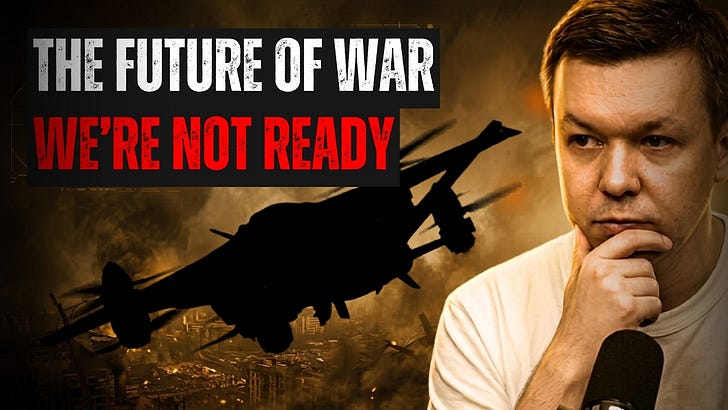
The pace of innovation is a critical factor in modern warfare. In one year, the Ukraine-Russia conflict advanced drone technology from a "2022" to a "2026" capability level. In that same period, Europe made zero progress, widening a dangerous technological gap.
By committing to a multi-year, ~$400 billion funding plan, Europe can turn Ukraine's financial weakness into a strategic advantage. This sustained support would exacerbate Russia's already high financial burden, potentially triggering a banking or inflation crisis and crippling its war machine.
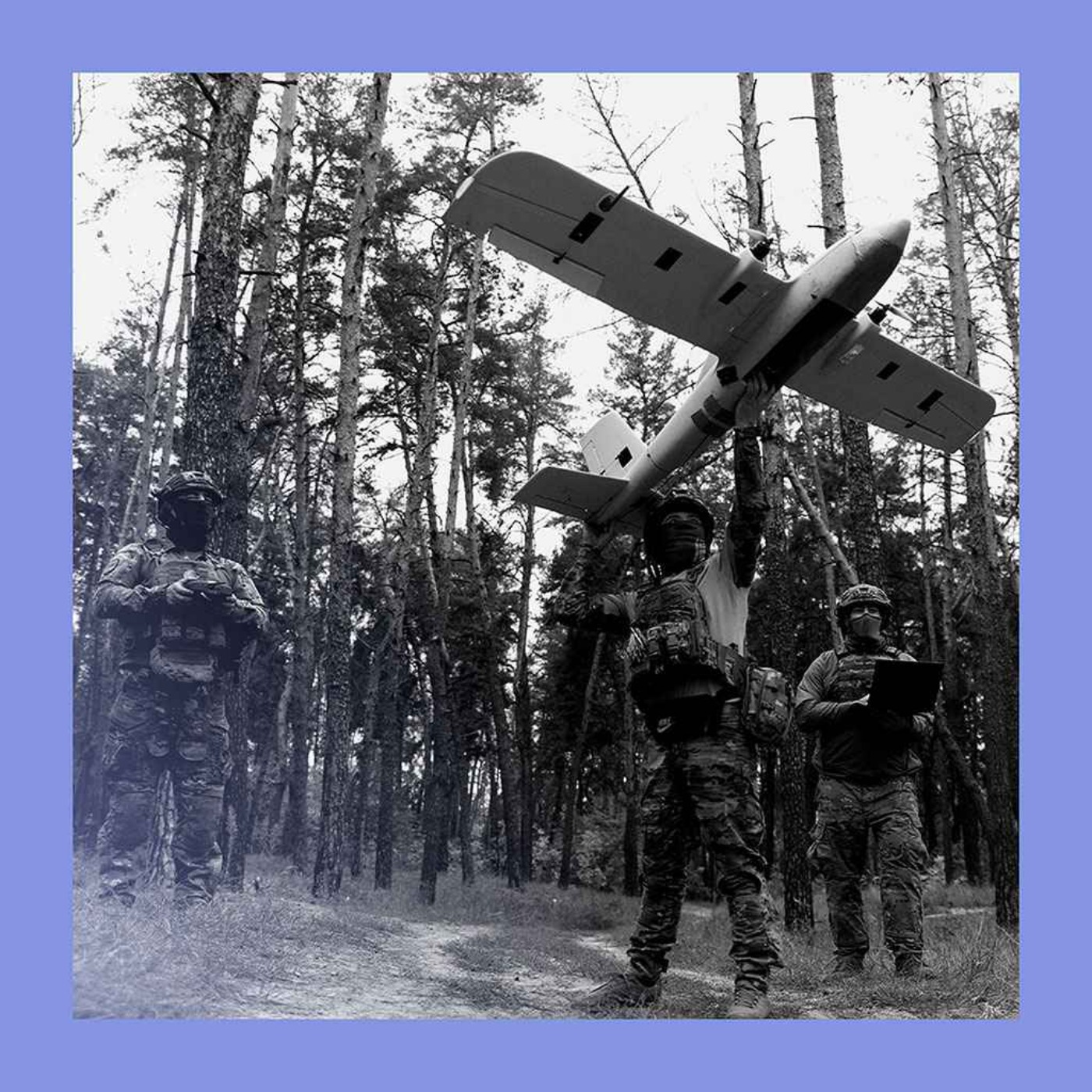
Countries are rapidly increasing defense spending due to global instability and the US's shifting role. Massive backlogs for US equipment, like a reported 15-year wait for Patriot missiles, are forcing allies to invest in domestic production and R&D for assured supply.