Get your free personalized podcast brief
We scan new podcasts and send you the top 5 insights daily.
A critical, unforeseen consequence of the US-Israel conflict with Iran is the direct impact on Ukraine's defense capabilities. Patriot missile systems intended to protect Ukraine from Russian strikes have been redeployed to the Middle East, leaving Kyiv more vulnerable and demonstrating the interconnectedness of global conflicts.

Related Insights
Iran's strategy is not purely defensive. It is actively trying to escalate the conflict and draw in more countries by targeting other nations, such as firing a missile towards Turkey, a NATO member. This tactic aims to increase the political and military cost for the United States.

The US faces a severe economic disadvantage in the Middle East conflict. Iran uses $30,000 drones that can disable $160 million tankers, while US countermeasures involve $4 million Patriot missiles. This cost imbalance allows Iran to inflict massive economic damage cheaply, posing a significant strategic threat.

A regional conflict like the one in Iran has immediate global consequences for military readiness. The massive expenditure of interceptor missiles will create a supply crunch for US forces in other strategic areas like the Pacific and for allies like Ukraine, as production cannot keep up with wartime demand.
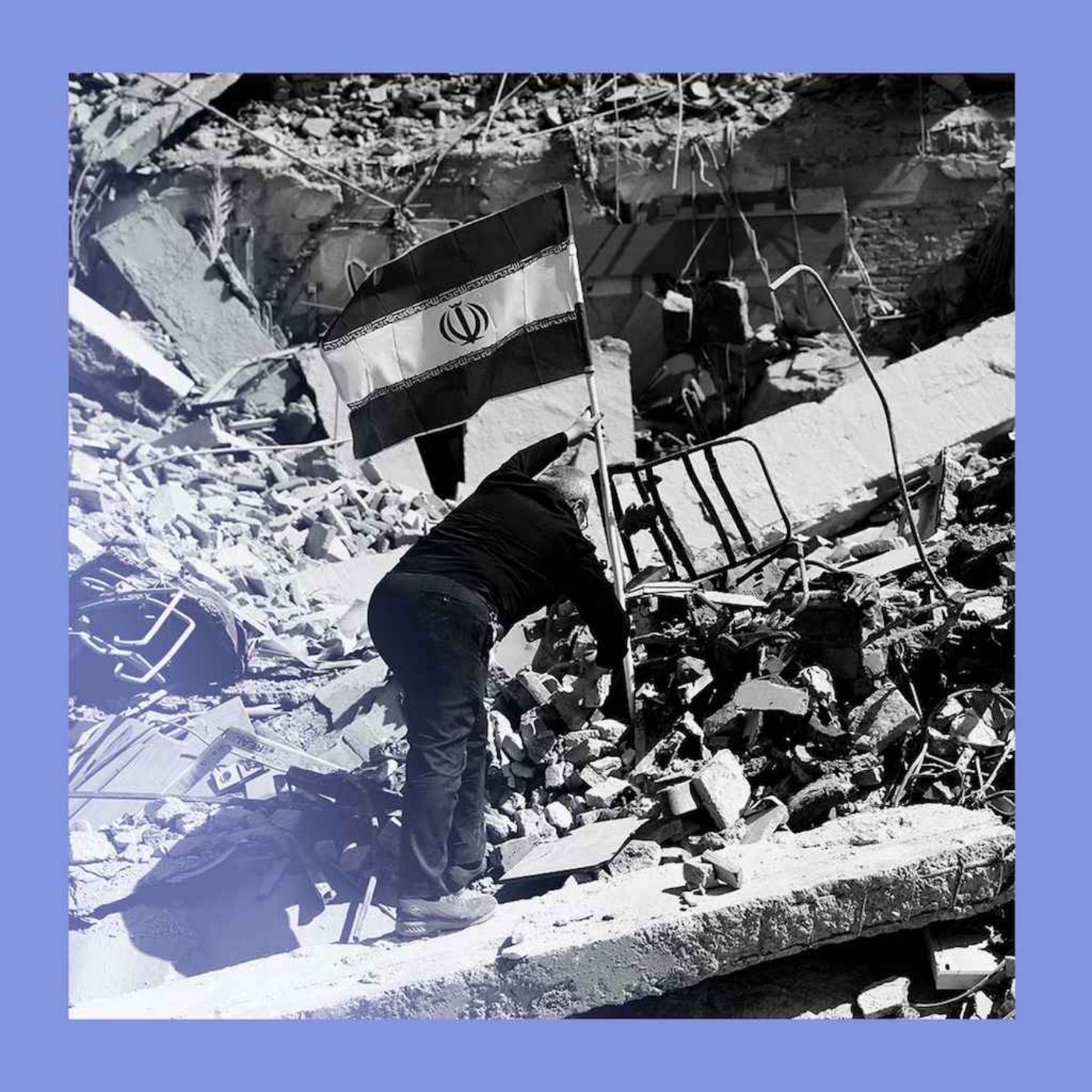
Contrary to common assumptions, the Gulf Cooperation Council (GCC) states have a higher density of advanced air defense systems, like Patriot and THAAD, than European NATO members on a per capita and per-kilometer basis. This highlights a significant shift in regional military investment and preparedness away from traditional Western powers.
By forcing the U.S. to operate its air defense systems at scale, the conflict in Iran is inadvertently providing China with a treasure trove of intelligence. The Chinese can observe how these systems perform, identify weaknesses, and refine their own tactics for a potential future conflict.

The conflict reveals a critical vulnerability: nations burn through advanced interceptor missiles at a rate that vastly outpaces annual production. Firing two interceptors per incoming missile means that even well-stocked Gulf states could exhaust their pre-war supplies in days, exposing a major bottleneck in the defense supply chain.
The Ukraine war has forged a new defense industrial bloc. Russia's ability to sustain its war effort is now critically dependent on a consistent supply of Chinese components, North Korean ammunition, and Iranian drone technology, creating a deeply interconnected anti-Western military-industrial axis.
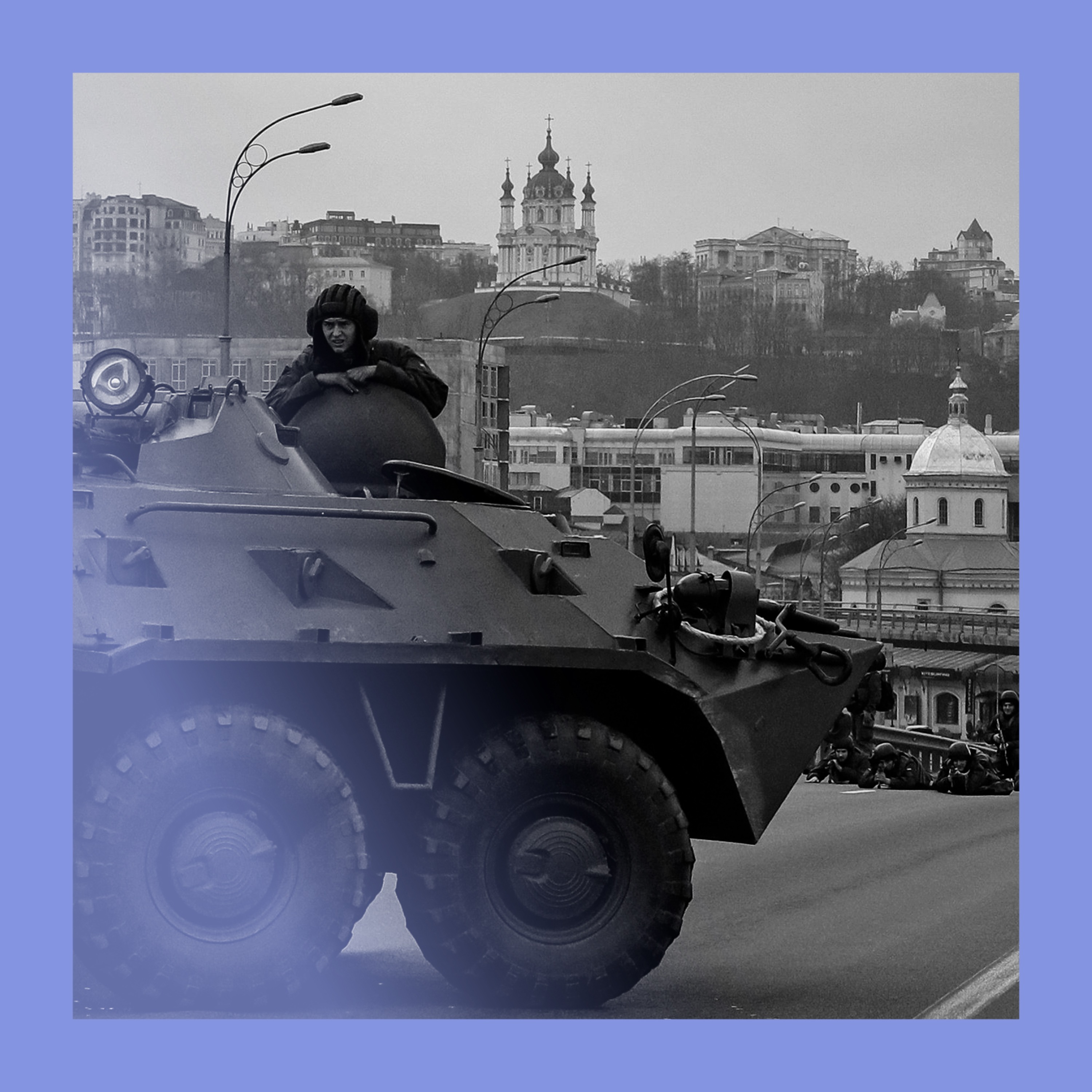
Countries are rapidly increasing defense spending due to global instability and the US's shifting role. Massive backlogs for US equipment, like a reported 15-year wait for Patriot missiles, are forcing allies to invest in domestic production and R&D for assured supply.

The Iran conflict serves the strategic interests of China and Russia by distracting US attention and draining its military resources. It consumes critical assets (like Patriot missiles needed for Ukraine) and diverts political focus from containing America's primary geopolitical rivals in Europe and Asia.

The recent uptick in global conflicts, from Ukraine to the Caribbean, is not a series of isolated events. It's a direct result of adversaries perceiving American weakness and acting on the historical principle that nations expand their influence until they are met with sufficient counter-force.
