Get your free personalized podcast brief
We scan new podcasts and send you the top 5 insights daily.
European allies have successfully stepped up to provide Ukraine with military and financial support, replacing diminished U.S. contributions. However, they cannot replicate the unique American role as the central 'convener' of the alliance. The U.S. remains indispensable for pulling allies together to make high-level strategic decisions, such as those concerning war termination.

Related Insights
The transatlantic alliance is under severe strain, with European leaders' anger towards the U.S. reaching an unprecedented peak. They are frustrated by shouldering 100% of the financial burden for Ukraine's defense, only to be economically damaged by a U.S.-initiated Iran war they were not consulted on.

Europe is treating its relationship with the U.S. as an irreversible investment decision under uncertainty. Leaders must choose between waiting for a return to the old transatlantic alliance or committing massive capital to build independent security and economic systems.

The President of Finland's quick reversal on whether Europe can defend itself without America reveals a critical vulnerability. Despite public posturing of self-sufficiency, European security is deeply dependent on the U.S., undermining their leverage in negotiations and exposing their claims as a bluff.

The U.S. urges allies to buy American weapons for interoperability but then suspends deliveries when its own stockpiles are strained, as seen with Patriot missiles for Ukraine. This creates a strategic dilemma, undermining allied readiness and damaging U.S. credibility as a reliable supplier.
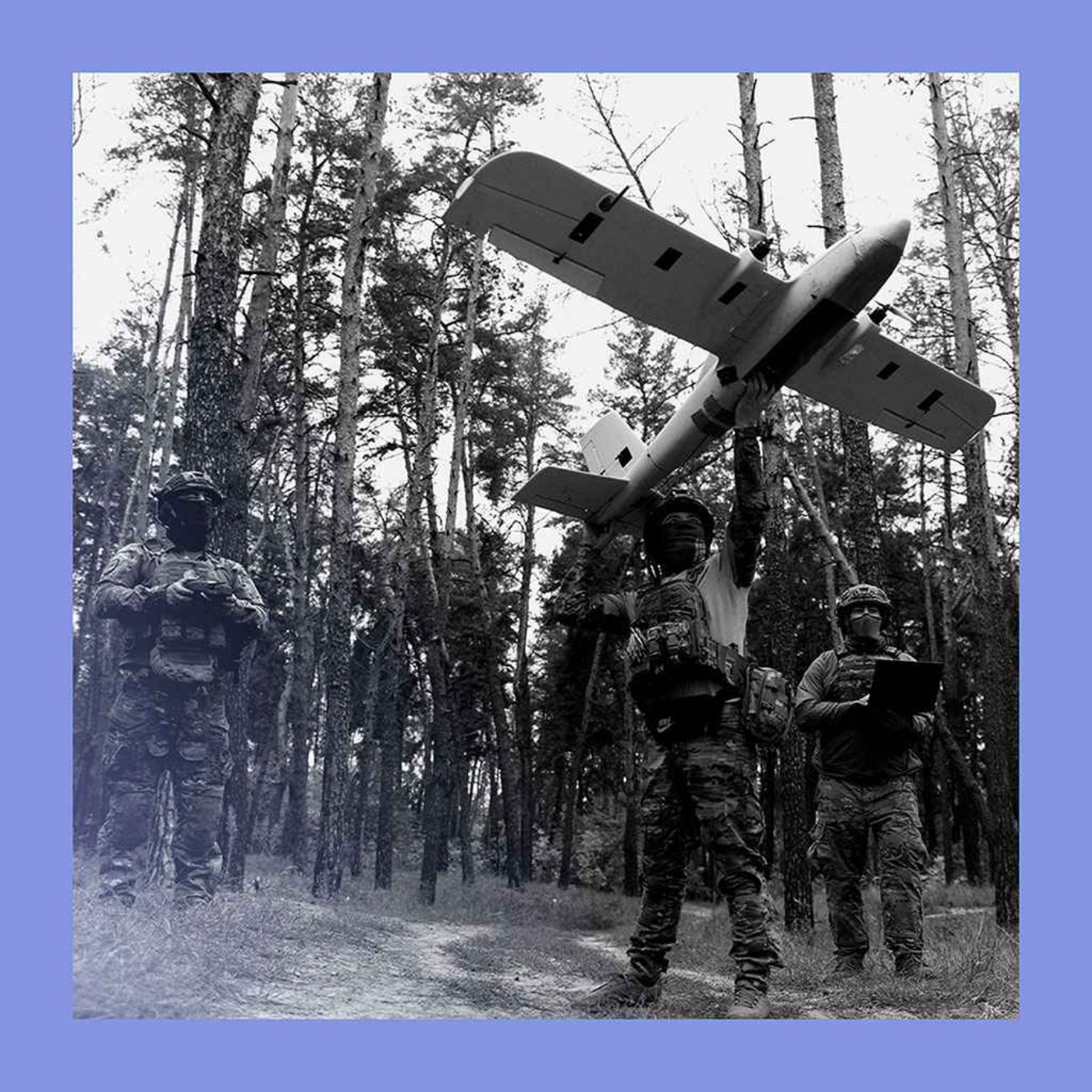
European leaders have shifted from seeing Ukraine as a moral cause to a vital strategic asset. Ukraine's battle-tested army is viewed as Europe's "shield," and its innovations in drone warfare are seen as Europe's future "arsenal," especially amid doubts about US security guarantees.
With the U.S. stepping back from its traditional leadership role, European countries are creating new, direct alliances to ensure their own security. A notable example is the emerging UK-Scandinavia-Baltic-Poland axis, which signals a fundamental shift in the continent's geopolitical architecture away from a singular reliance on Washington.

Beyond providing military capabilities, America's most crucial role in NATO is as a unifying leader that prevents historical rivals like France and Germany from squabbling over command. A US withdrawal threatens this operational harmony far more than the simple loss of resources.

Contrary to widespread fears that European support for Ukraine would wane, resolve has actually stiffened. Europe has stepped up to replace American financial aid and has become an increasingly vital security partner, demonstrating a surprising resilience and commitment to the conflict despite its long duration.

By committing to a multi-year, ~$400 billion funding plan, Europe can turn Ukraine's financial weakness into a strategic advantage. This sustained support would exacerbate Russia's already high financial burden, potentially triggering a banking or inflation crisis and crippling its war machine.
The core of U.S. global power relative to its adversaries is not its standalone might, but its network of alliances. The U.S. is stronger than China because of its East Asian allies and stronger than Russia because of NATO. Eroding the trust within these alliances is a self-inflicted strategic wound.