Get your free personalized podcast brief
We scan new podcasts and send you the top 5 insights daily.
While Ukraine successfully intercepts ~95% of drones, its critical vulnerability is the lack of anti-ballistic missiles like Patriots. Global production cannot meet demand, a shortage exacerbated by other conflicts, leaving Ukrainian cities exposed to Russia's most destructive attacks.

Related Insights
To counter the high cost of traditional interceptors, Ukraine has developed a strategy of using cheap, fast FPV (first-person view) drones to destroy incoming Shaheed drones. The newest versions use AI for autonomous final-stage guidance, creating a new paradigm in air defense.

A critical, unforeseen consequence of the US-Israel conflict with Iran is the direct impact on Ukraine's defense capabilities. Patriot missile systems intended to protect Ukraine from Russian strikes have been redeployed to the Middle East, leaving Kyiv more vulnerable and demonstrating the interconnectedness of global conflicts.

The military is applying powerful AI software for intelligence and targeting, but the physical hardware—planes, missiles, and interceptors—was not designed for this new reality. This mismatch creates inefficiencies, such as using expensive Patriot missiles designed for jets to shoot down cheap drones, highlighting a hardware-software gap.

Russia's use of cheap drones creates a significant economic and strategic challenge for NATO. The current defensive approach is financially unsustainable, as seen when Poland used a million-dollar missile on a cheap drone. This asymmetry is forcing Europe to develop new, low-cost interception methods, such as a continent-wide "drone wall".
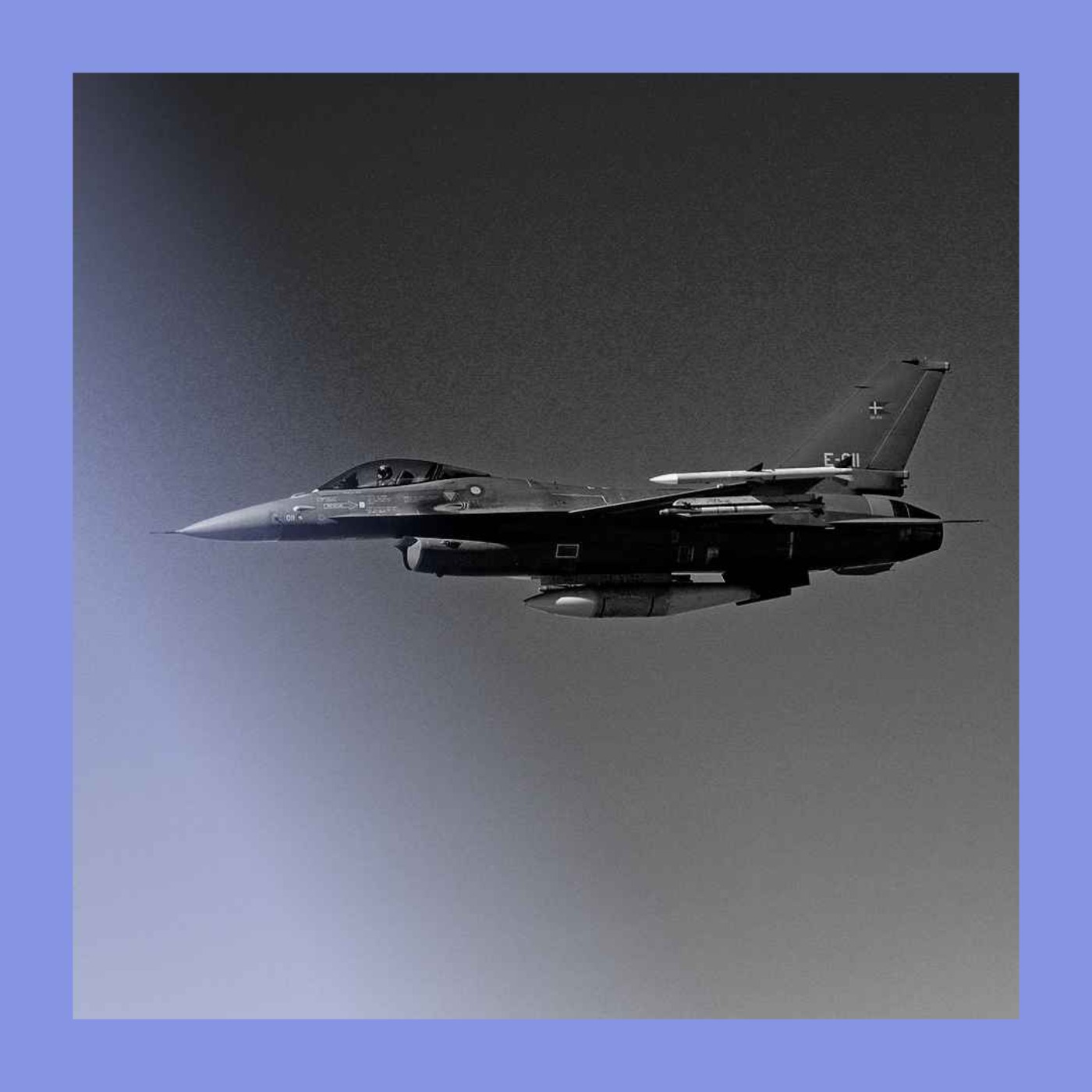
Nations like Iran and Russia deploy vast numbers of cheap drones (around $55,000 each), forcing defenders to use multi-million dollar missiles. This creates a severe cost imbalance, making traditional, high-end air defense economically unsustainable over time.
A regional conflict like the one in Iran has immediate global consequences for military readiness. The massive expenditure of interceptor missiles will create a supply crunch for US forces in other strategic areas like the Pacific and for allies like Ukraine, as production cannot keep up with wartime demand.
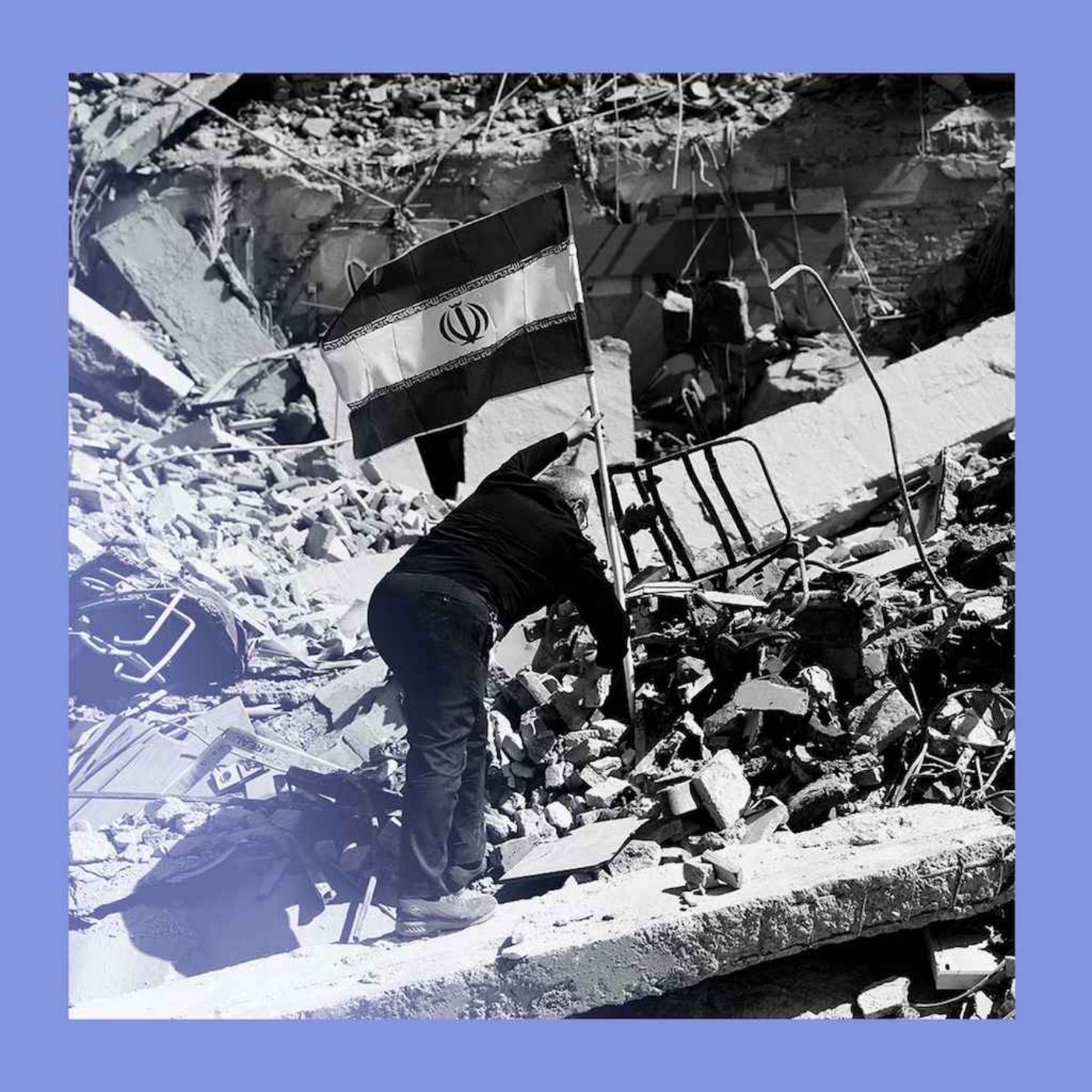
The conflict reveals a critical vulnerability: nations burn through advanced interceptor missiles at a rate that vastly outpaces annual production. Firing two interceptors per incoming missile means that even well-stocked Gulf states could exhaust their pre-war supplies in days, exposing a major bottleneck in the defense supply chain.
The practice of using expensive interceptors, like $4 million Patriot missiles, to destroy cheap drones creates a severe economic imbalance. This cost-imposition strategy by adversaries can bankrupt a nation's defense budget long before its military is defeated, revealing a critical flaw in current air defense doctrine.
The Iran conflict reveals a critical flaw in US defense strategy: using multi-million-dollar missiles to intercept $35,000 drones. This economically unsustainable exchange rate highlights an urgent need for advanced, low-cost defensive technologies.

A recent Middle East conflict exposed a critical vulnerability: the U.S. and its allies used three years' worth of Patriot missile production in just 39 days. This highlights an unsustainable gap between peacetime industrial capacity and the consumption rates of modern warfare.