Get your free personalized podcast brief
We scan new podcasts and send you the top 5 insights daily.
The "fading affect bias" means bad memories fade faster than good ones. While this protects us emotionally, it can cause us to regret sound decisions (like leaving a bad relationship) because we forget the original pain, leaving us "further from the evidence."

Related Insights
Salient emotional events feel vivid and true, boosting our confidence in the memory. However, this confidence is often misleading. Each time we recall and "reconstruct" these memories, we create more opportunities for errors to creep in, making them factually less reliable than we believe.

We don't just forget our thoughts; we forget that we've forgotten them. This cognitive bias, like an amnesiac shocked by his aging reflection, causes us to overvalue our current anxieties, failing to recognize they will likely fade into oblivion like countless thoughts before.
Memory is not a static recording; it's malleable and constantly updated by our current emotional state. A great marriage can reframe a disastrous wedding as a funny story, while a failing one will taint even the fondest memories, proving that arguing about the past is futile.
People spot small relationship issues but avoid addressing them because the immediate conversation is uncomfortable. This cognitive bias, where aversion to short-term pain outweighs the desire for long-term health, is the single biggest reason relationships fail.

Psychological research reveals a clear pattern in regret. We immediately regret actions we took that turned out poorly ("sins of commission"). However, over a lifetime, our most profound regrets stem from what we failed to do, such as not expressing our feelings—these "sins of omission" create lingering "what if" scenarios.
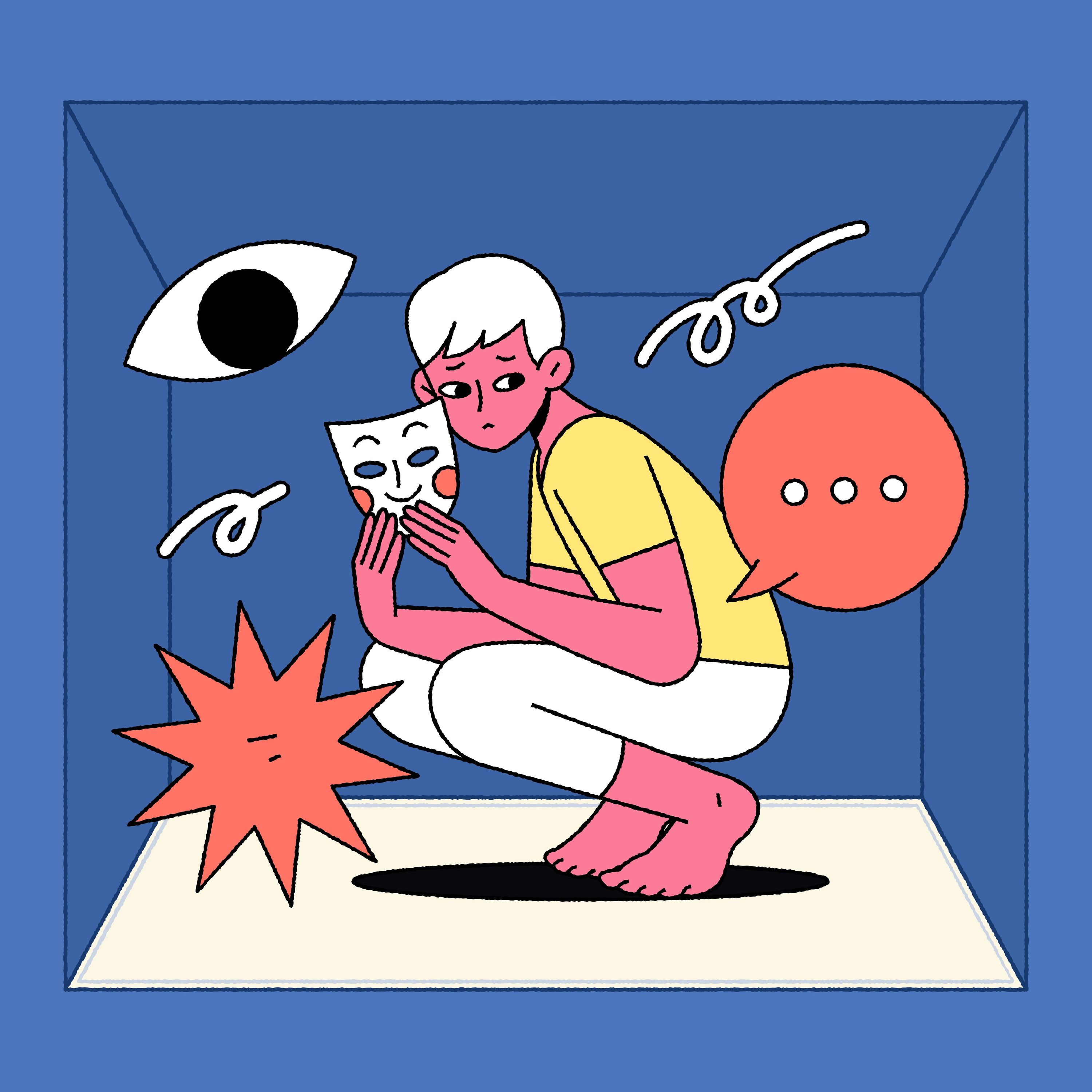
Regret isn't just a negative feeling. Neurological studies show it is a cognitive process that helps us learn from bad decisions. Your brain uses the pain of a past choice to create a mental simulation that directly influences and improves future behavior, preventing you from repeating the same error.

The brain doesn't strive for objective, verbatim recall. Instead, it constantly updates and modifies memories, infusing them with emotional context and takeaways. This process isn't a bug; its purpose is to create useful models to guide future decisions and ensure survival.

The psychological pain of making an active decision that turns out wrong (e.g., selling a stock that then rises) feels worse than the pain of inaction (holding a stock that falls). This "regret aversion" leads to decision paralysis, causing investors to hold assets they know they should sell.

People often know a relationship is over long before they leave. The awareness that it's wrong is distinct from the motivation to act. Leaving requires high 'activation energy' (emotional turmoil, logistics) which battles powerful cognitive biases like sunk cost, loss aversion, and status quo bias.
Regret is based on the flawed assumption that you could have chosen differently. If you rewind time, your brain, information, and circumstances would be identical, leading to the same decision 100% of the time. Accepting this necessity dissolves regret's power.