Get your free personalized podcast brief
We scan new podcasts and send you the top 5 insights daily.
People often know a relationship is over long before they leave. The awareness that it's wrong is distinct from the motivation to act. Leaving requires high 'activation energy' (emotional turmoil, logistics) which battles powerful cognitive biases like sunk cost, loss aversion, and status quo bias.

Related Insights
This thought experiment bypasses the fear and logistical pain of initiating a breakup. If you could wake up tomorrow and the relationship was simply over without any conflict, would you feel relief or regret? The answer reveals your true feelings about being with the person, separate from the process of leaving.
When contemplating change, we focus on what we're about to lose, making the decision feel monumental. Kate Raworth shares that the anxiety of giving up her car disappeared immediately after, replaced by lightness. This psychological barrier, the intense focus on loss right before action, is a key hurdle in transformation.

When people slowly withdraw emotional investment from a relationship, it's not laziness or indifference. It's a self-protective mechanism. The nervous system concludes that vulnerability and connection have become too risky, often because a person feels unsafe or misunderstood. This triggers a gradual retreat to avoid further emotional harm.

Don't quit just because a task is difficult, especially if the rewards are worthwhile. You should, however, quit if a situation 'sucks'—meaning it's toxic, unfulfilling, and unchangeable. This framework turns quitting into a calculated decision, not an emotional failure.

People stay in unhappy relationships fearing they won't find someone better. The correct mental comparison isn't between your current partner and a hypothetical future one, but between your current misery and the potential happiness you could find on your own.
The common advice to overcome sunk cost fallacy—"imagine you didn't own this, would you buy it today?"—is ineffective because you cannot truly ignore the reality of ownership. A more robust method is setting pre-commitment contracts or "kill criteria" that force a decision when specific signals are observed.
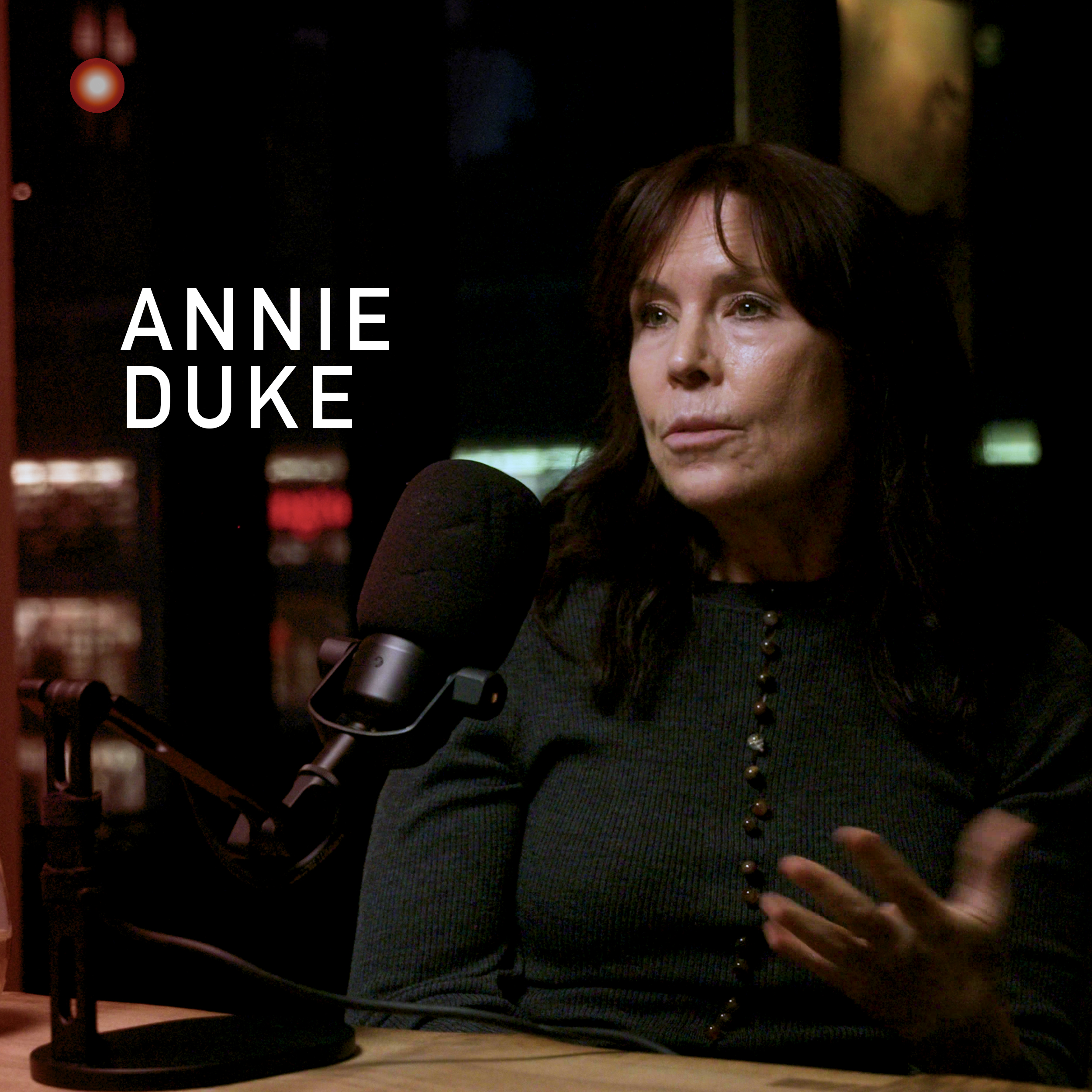
People stay in bad situations by numbing themselves to current pain. To break free, vividly imagine the future: how much worse will this pain be in one, five, or ten years? Contrasting this amplified suffering with the feeling of freedom makes the choice to leave clear.

People often act only when a situation crosses a high threshold of badness. A merely "good enough" job or relationship, while unfulfilling, doesn't provide the activation energy for change, leading to a "zone of comfortable complacency."

Once people invest significant time, money, and social identity into a group or ideology, it becomes psychologically costly to admit it's wrong. This 'sunk cost' fallacy creates cognitive dissonance, causing people to double down on their beliefs rather than face the pain of a misguided investment.

People resist new initiatives because the "switching costs" (effort, money, time) are felt upfront and are guaranteed. In contrast, the potential benefits are often far in the future and not guaranteed. This timing and certainty gap creates a powerful psychological bias for the status quo.