Get your free personalized podcast brief
We scan new podcasts and send you the top 5 insights daily.
Regret isn't just a negative feeling. Neurological studies show it is a cognitive process that helps us learn from bad decisions. Your brain uses the pain of a past choice to create a mental simulation that directly influences and improves future behavior, preventing you from repeating the same error.

Related Insights
Even regrets about things you did (action regrets) are frequently rooted in a subsequent failure to act. The regret isn't just about the mistake itself, but the inaction of not apologizing, making amends, or learning from it. This reframes all regret as a call to future action, not a state of paralysis.

Regret traps you in a cycle of reliving past mistakes without changing the outcome, similar to how worry focuses on an uncontrollable future. Reflection, however, is an objective debrief of the past to extract lessons, gain clarity, and inform future actions for growth.

When you find yourself repeatedly making the same error and regretting it, you are not simply slipping up. This pattern indicates an underlying, perhaps unconscious, decision. Recognizing this shifts the focus from managing slip-ups to addressing the root choice that drives the behavior.

To manage regret, ask three questions: 1) What specific alternate life am I imagining? 2) Is the opportunity to change this still available? 3) What will I do differently now? If you can't act, you are not learning from the regret; you are merely collecting it, which is destructive.
The pain of regret is determined by how easily you can imagine a better alternative. Olympic silver medalists often feel worse than bronze medalists because they focus on almost winning gold, while bronze medalists focus on almost getting nothing. This “counterfactual thinking” intensifies regret.
Psychological research reveals a clear pattern in regret. We immediately regret actions we took that turned out poorly ("sins of commission"). However, over a lifetime, our most profound regrets stem from what we failed to do, such as not expressing our feelings—these "sins of omission" create lingering "what if" scenarios.
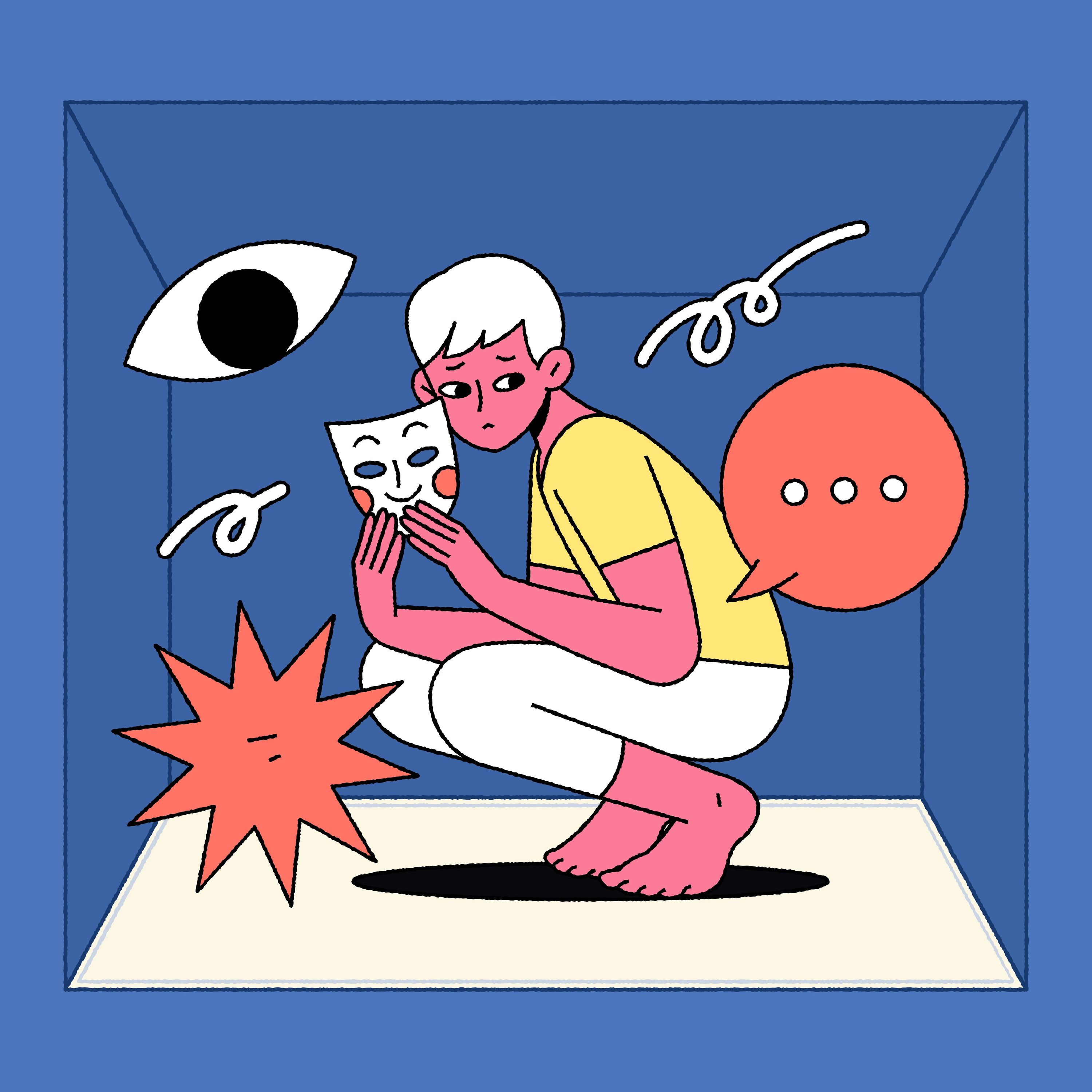
The psychological pain of making an active decision that turns out wrong (e.g., selling a stock that then rises) feels worse than the pain of inaction (holding a stock that falls). This "regret aversion" leads to decision paralysis, causing investors to hold assets they know they should sell.

Every mistake unfolds in three acts: 1) the development of your underlying mental models, 2) the mistaken decision itself, and 3) the aftermath and how you process it. Many people focus only on Act 2 (the mistake), but the most damaging error is often made in Act 3 by failing to unpack and learn from the experience.

We often lose to short-term desires because we only focus on immediate gratification. A technique called 'episodic future thinking,' or 'playing the tape all the way through,' involves vividly imagining the likely negative consequences that will follow an impulsive choice. This makes your future self's pain feel more present, strengthening your resolve.

Drawing on research from Daniel Pink's book "The Power of Regrets," the guest notes that people are good at forgiving themselves for mistakes (regret of action). However, the paths they never traveled and doors they never opened (regret of inaction) tend to cause more profound, lasting rumination.
